
How to Plan a Sibling Team Building Retreat at Home: Step-by-Step Guide
Learn how to host a sibling team building retreat at home with our step-by-step guide, schedules, and activity ideas to strengthen sibling bonds.
- Published at
Discover 12 expert-approved sibling bonding activities to foster cooperation and positive relationships. Try these family bonding ideas at home today!
Amanda SmithStruggling to keep the peace between your kids? You're not alone. Many parents want their children to get along, cooperate, and genuinely enjoy each other's company, but sibling rivalry or just indifference can get in the way. The good news? There are creative sibling bonding activities you can start today, right at home, that actually work for busy families.
Low-prep indoor sibling activities are not just popular, they're effective. According to 'Current Trends' data (2024), these activities scored an impressive 88 for popularity and effectiveness in fostering sibling bonds. Parents love them because you can use what you already have at home and start right away, even in the middle of a busy week.
Picture this: a busy parent coming home after work, setting up a quick 15-minute storytelling or drawing game after school. No extra supplies, no elaborate planning. These moments create positive memories and help siblings see each other as teammates, not competitors.
When activities are simple and require little setup, it's much easier to say yes, even when you're tired or pressed for time. This lowers stress for parents and increases how often siblings get to practice cooperating. The more often siblings play together in low-pressure ways, the easier it becomes for them to get along, even outside of structured activities.
If you're unsure where your family stands with sibling dynamics, it may help to get a clearer picture before diving in. You can explore sibling relationship assessments to understand family dynamics better and find out which bonding activities might fit your kids best.
Sometimes, even the best activity ideas can't address deeper sibling conflict or ongoing tension. If you feel stuck or want extra support, finding the right professional can make a real difference. CalmAtHome offers easy therapist matching, connecting you with licensed professionals who specialize in family dynamics and sibling relationships.
Find a licensed therapist to support family dynamics and sibling relationships and start building a calmer home.
Ready for the next level? Let's look at how cooperation-centered play can reshape your kids' relationship.
Games and activities that require siblings to work together toward a common goal can transform the way your kids relate. 'Current Trends' data (2024) found that cooperative play, which reduces rivalry and focuses on shared goals, scored 84 in popularity, and for good reason.
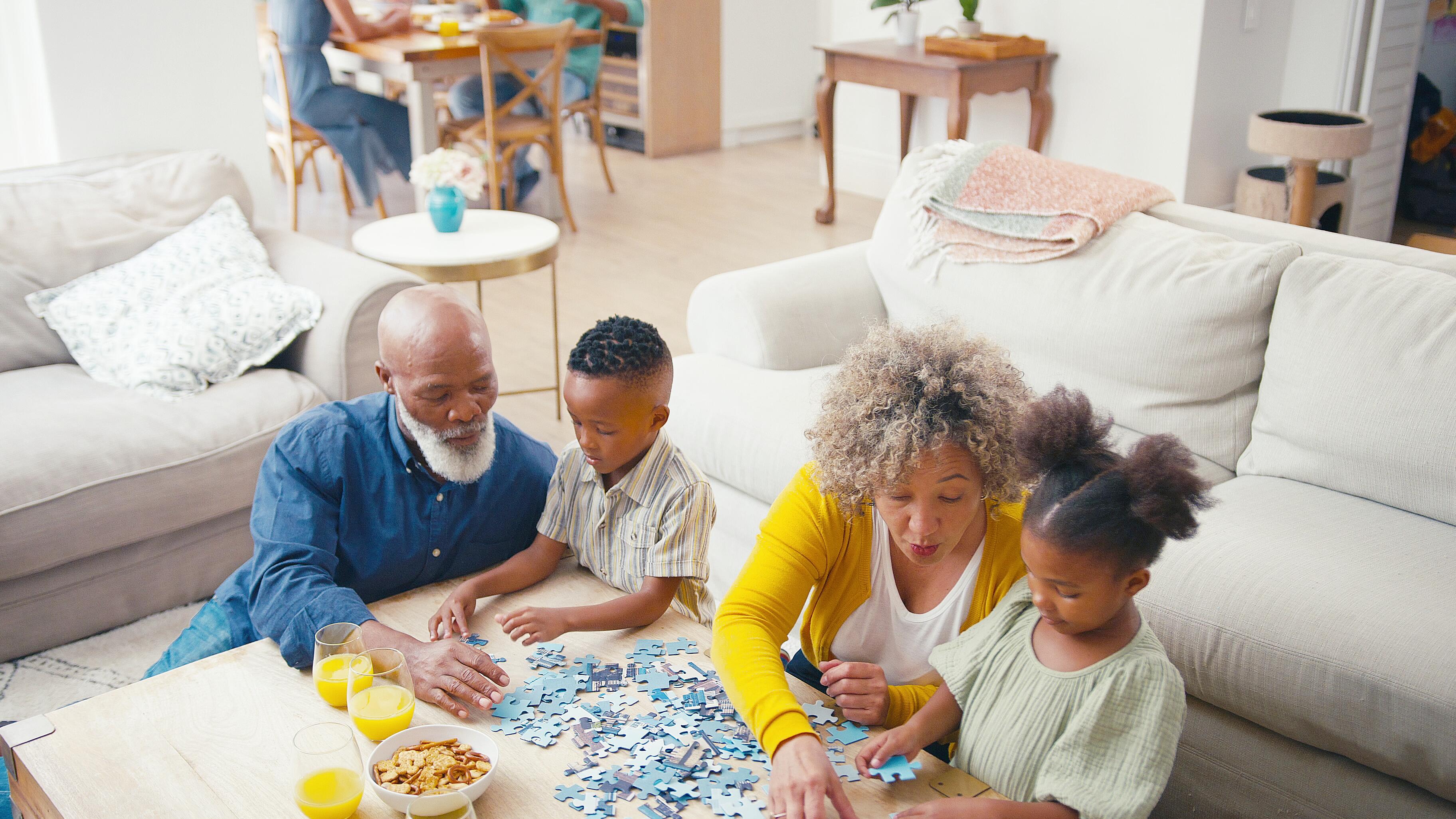
Think about a pair of siblings building a LEGO set together. Each child brings their skills to the table, and frustration turns into teamwork when they realize neither can finish the project alone. These experiences stick with kids and help them see each other as partners, not competitors.
When siblings work towards a shared goal, they learn empathy, patience, and how to resolve conflicts in the moment. Competitive play has its place, but when rivalry gets in the way of fun, it can breed resentment. Cooperative activities let both children "win" by accomplishing something together, which builds trust and mutual respect.
Next, we'll explore how to choose activities that work even when your children are years apart in age.
Siblings don't always match up in age or ability, but that doesn't mean they can't bond. In fact, mixed-age activities are highly popular (score: 82), according to 'Current Trends' data (2024), precisely because they meet kids where they are and allow everyone to join in.
Imagine an older sibling leading a simple science experiment, like making a volcano with baking soda and vinegar, in the kitchen. The younger child gets hands-on fun, while the older one feels pride in helping. Mixed-age activities can be scalable, so toddlers and tweens both find their place.
Different skill levels, attention spans, and interests can make activities tricky. The key is choosing projects where roles can be adjusted based on age, so everyone has something meaningful to do.
Up next: how small, everyday rituals can nurture your kids' emotional bond, not just their playtime connection.
Sibling relationships aren't just built in play, they're shaped in the small moments, too. Daily emotional connection rituals, like sharing gratitude or compliments, scored 76 in popularity. These micro-habits are easy to start and pay off in stronger sibling connections over time.
A simple example: after dinner, your family takes turns sharing what they appreciate about each other. It only takes a few minutes, but it can completely change the mood in your home.
Consistent, positive rituals teach kids to notice each other's strengths and build empathy. Over time, this helps siblings trust one another and feel more secure in their relationship, even on days when things don't go perfectly.
Let's finish with screen-free activities that boost cooperation and calm at home.
Screens can be a battleground for siblings. But when you carve out tech-free time, you're not just reducing conflict, you're opening up space for creativity and cooperation. According to 'Current Trends' data (2024), screen-free bonding ideas score 81 for popularity in supporting sibling connection, creativity, and calm.
Picture siblings collaborating on a board game at the kitchen table, or digging together in the family garden. These moments give your kids a chance to practice patience, take turns, and cheer each other on, without the distraction (or arguments) that come with screens.
Screen-free activities help kids focus better, foster creativity, and develop real-world social skills. They also reduce sibling fights over what to watch or who gets the next turn on a device.
Now, let's tackle some of the most common questions parents have when it comes to sibling bonding at home.
Simple cooperative games and shared goal activities quickly encourage sibling teamwork. Start with things like puzzles, collaborative art projects, or cooking together. These activities don't require much prep or special materials, making them easy to fit into busy family life. According to 'Current Trends' data, cooperative play is a proven way to foster collaboration. Try starting with a 10-minute game after school or on weekend mornings, consistency matters more than duration.
If you aren't sure which activities will work best for your kids' personalities, consider checking out an assessment or consulting a professional for tailored suggestions.
Choose adaptable activities that match the skills and interests of each child. Storytelling games, scavenger hunts, and simple science experiments are great places to start. research highlights the popularity of mixed-age activities for exactly this reason, they allow everyone to participate meaningfully. Involving older siblings as helpers or leaders can also boost engagement and confidence for both kids.
If you run into regular challenges, don't hesitate to seek advice or resources tailored to your family's unique dynamic.
Regular sharing of gratitude and compliments helps kids build empathy and feel closer, even outside of play. These daily moments, like a quick check-in at dinner or before bedtime, foster more lasting sibling connections. Our data supports the popularity and effectiveness of emotional rituals for relationship-building. It doesn't have to be formal, just a minute or two of focused attention can go a long way.
Try rotating who leads the check-in or using a simple journal to keep it engaging over time.
Screen-free activities like board games, gardening, and nature walks promote creativity, cooperation, and calm. They're a favorite among families, according to our research, and reduce the likelihood of sibling disagreements over devices. Scheduling regular screen-free time helps make these activities a habit, not an exception.
Start with a weekly game night or a weekend baking session to set the tone for positive, tech-free sibling connection.
You don't need elaborate plans or special tools to improve sibling relationships. Low-prep, cooperative activities are a simple way to build teamwork and positive connections. Adapting activities for different ages, and weaving in daily emotional rituals, will deepen sibling bonds over time. Plus, carving out screen-free family bonding time brings more creativity, and more calm, to your home.
If you've ever felt overwhelmed by sibling rivalry or worried your kids just aren't connecting, know you're not alone. Everyone's family is different, and there's no one-size-fits-all solution. If you want hands-on support or feel like you've tried everything without progress, there's help available. You can connect with a family therapist to support sibling and family relationships and get tailored advice for your unique situation.
Looking for community support or tips from other parents?
Join a peer community to share experiences and tips about sibling bonding.
At the end of the day, every small step you take toward fostering sibling connection makes a difference, even if it's just one game, one compliment, or one screen-free hour at a time.
Learn how to host a sibling team building retreat at home with our step-by-step guide, schedules, and activity ideas to strengthen sibling bonds.
Discover how sibling team building games nurture empathy and communication skills for stronger family bonds. Learn effective sibling relationship strategies.
Use therapist-approved relationship check-in questions to strengthen communication and connection. Try a self-guided couples therapy check-in today.