
How to Plan a Sibling Team Building Retreat at Home: Step-by-Step Guide
Learn how to host a sibling team building retreat at home with our step-by-step guide, schedules, and activity ideas to strengthen sibling bonds.
- Published at
Discover how sibling team building games nurture empathy and communication skills for stronger family bonds. Learn effective sibling relationship strategies.
Amanda SmithIf you're a parent looking for ways to help your children get along better, you know just how tough sibling arguments can feel. Sibling team building games offer a hands-on, positive approach to nurture empathy and improve communication, which are both essential for strong sibling bonds and a harmonious home.
Healthy sibling relationships contribute significantly to children's emotional development and the overall atmosphere at home. The way siblings interact with each other shapes their skills in empathy and communication , two ingredients that set the foundation for future relationships and family harmony.
Think about a family where siblings might compete for attention or toys, but also learn from each other's perspectives during daily life. These everyday moments can turn into powerful lessons in understanding and connection. When kids recognize each other's feelings and communicate honestly, they're less likely to get stuck in cycles of arguing or holding grudges.
Empathy is what allows siblings to truly see things from each other's view. It's the difference between a fight ending in slammed doors, versus a moment where one child pauses, notices their sibling's feelings, and offers comfort or a listening ear. This skill doesn't just happen , it's shaped by the environment and practice. When siblings develop empathy, they're better able to resolve conflicts, compromise, and support each other, even when they disagree.
Families often assume that sibling rivalry is just part of growing up and can't be changed. In reality, you can nurture empathy and communication by actively engaging siblings in positive, cooperative activities.
So, how do you create these opportunities at home? Team building games are a proven, practical way to help siblings grow closer and resolve conflict with kindness and understanding.
Sibling team building games create structured, cooperative experiences that nurture empathy by encouraging children to see from each other's perspective and work together toward shared goals.
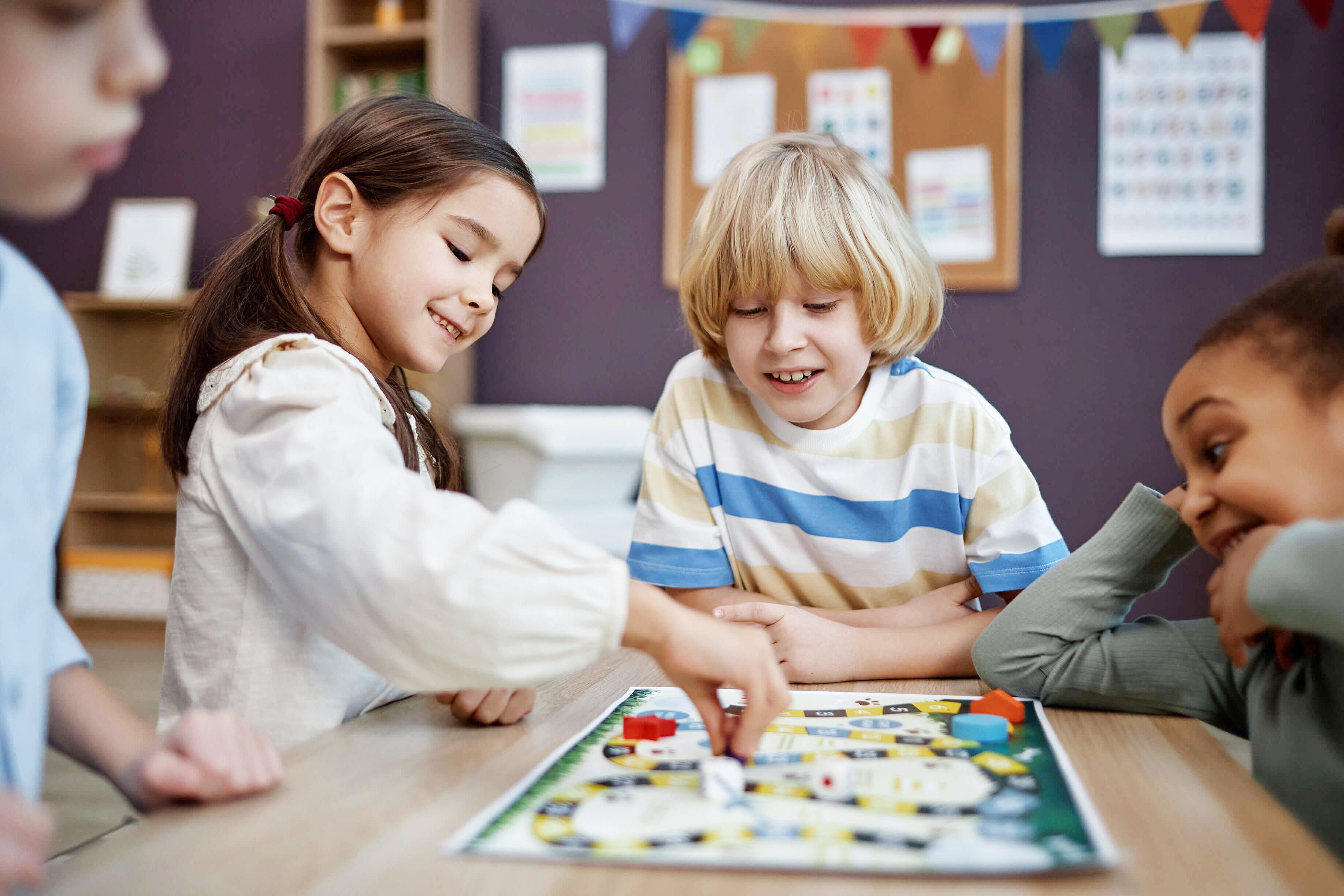
When siblings are tasked with solving a puzzle together or completing a shared challenge, they have to notice each other's emotional cues and adjust their behavior for the group's success. Imagine two kids working together on a tricky puzzle at the kitchen table, both bringing their unique approach. As they talk through options and listen to each other's suggestions, they naturally start to understand what helps or frustrates their sibling. These shared challenges create emotional "aha" moments that stick with them long after the game is over.
Working together in games builds emotional understanding in ways that solo activities simply can't. Cooperative play means children practice taking turns, noticing each other's feelings, and supporting one another during setbacks. Over time, these repeated experiences strengthen the neural pathways that allow empathy to become second nature. The lessons learned in a game can show up later in real-life situations, like sharing responsibilities or comforting a sibling who's upset.
As you'll see in the next section, these games don't just build empathy , they also transform how siblings talk to each other.
Team building games encourage siblings to practice clear communication and active listening, two skills that are vital for healthy conflict resolution and mutual understanding.
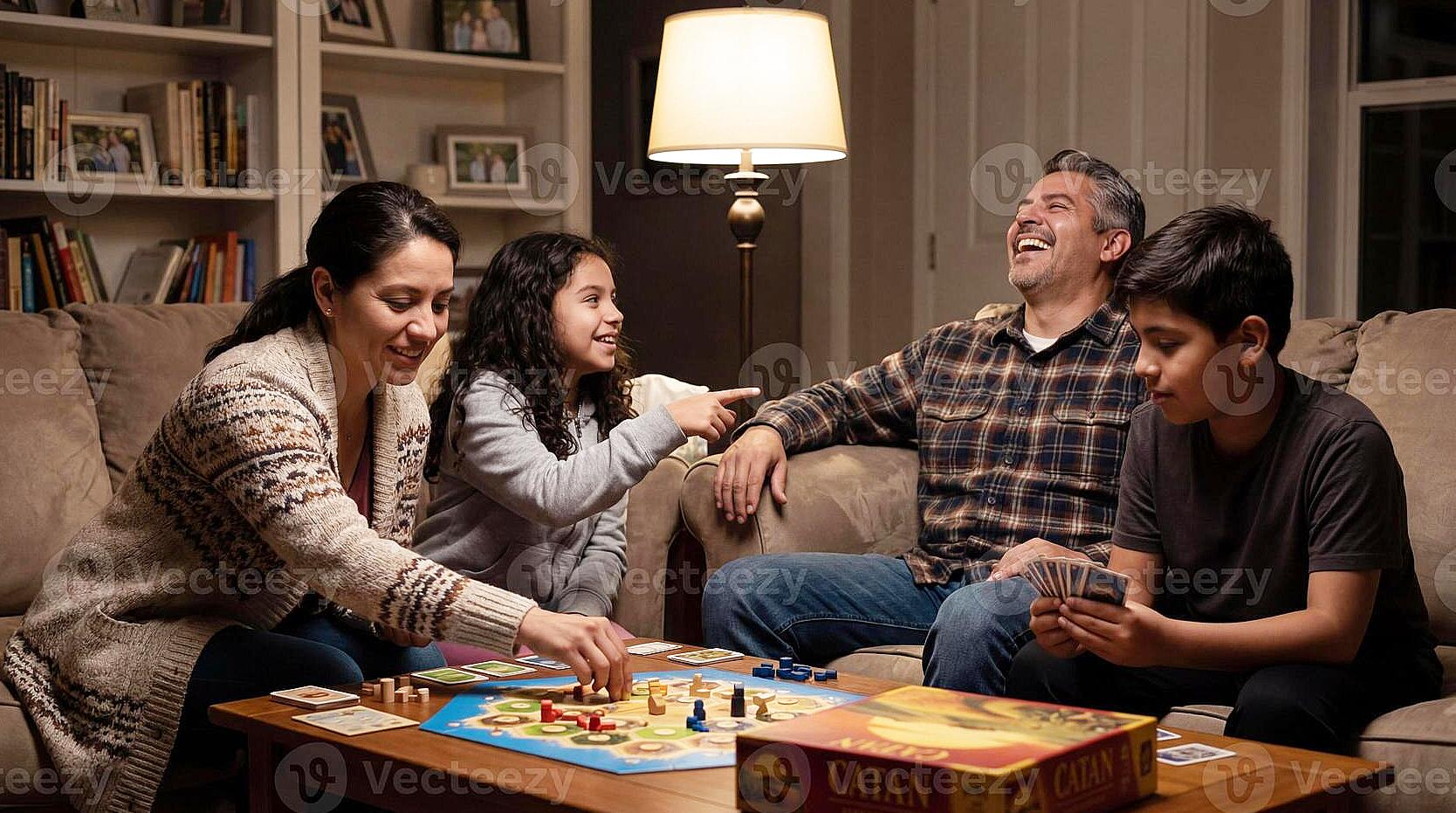
To succeed in these activities, siblings must express their ideas, listen closely, and coordinate their actions. For example, in a game where one sibling gives directions and the other follows to complete a challenge, both children must communicate clearly and check for understanding. This back-and-forth not only helps them win the game, but also teaches them how to avoid misunderstandings in everyday life.
When communication skills are reinforced in fun, low-stakes settings like games, siblings learn to trust their voices and value each other's input. This translates into fewer arguments, more productive conversations, and a calmer family environment.
Interactive games strengthen both verbal and nonverbal communication skills. Children learn to read each other's body language, clarify confusion, and express themselves in ways that build trust. Games create a safe space to practice these skills, making it easier for siblings to transfer what they've learned to real-life disagreements or decision-making situations.
With empathy and communication in place, the next step is to apply these lessons through specific sibling team building games at home.
Applying team building games at home gives siblings a practical way to develop empathy and communication, improving their relationship in real time.
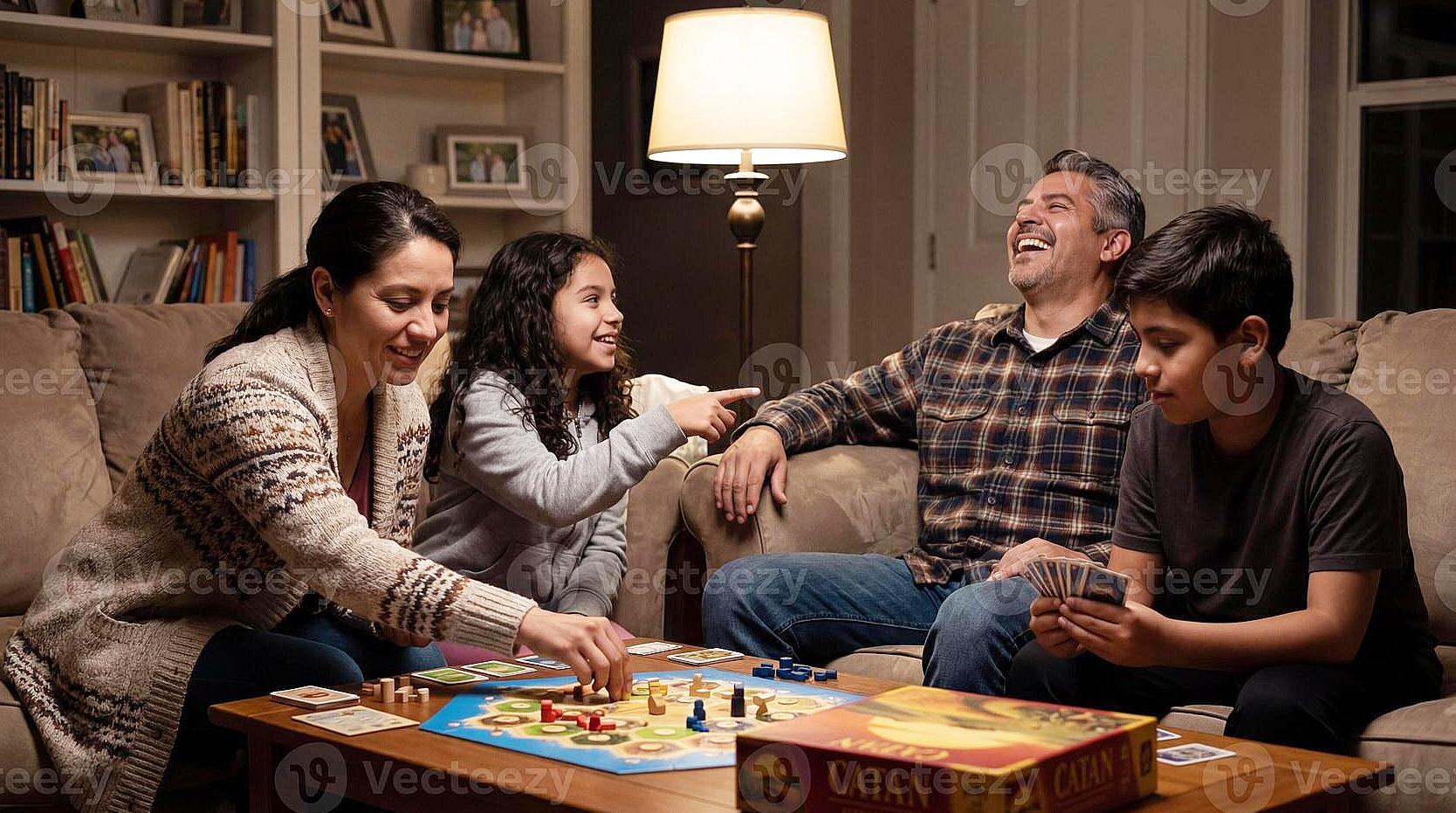
Here are a few effective games to nurture teamwork and empathy:
For team building games to make a real difference, parents play a key role as guides and supporters:
If you're looking for real-world support and fresh ideas, connecting with other parents can be transformative. The CalmAtHome community is a space where families share what works, ask questions, and find encouragement. Whether you need new sibling game suggestions or want to talk through a difficult situation, you'll find understanding and practical advice. Explore the CalmAtHome community for sibling activities and support.
Consistent practice with these games helps siblings move from frequent arguments to more empathetic, cooperative interactions. In the next section, we'll explore how these positive shifts can last a lifetime.
Consistently practicing empathy and communication through team building games can establish lifelong positive sibling relationships and family harmony.
Empathy and communication aren't just skills for childhood , they're the foundation of durable sibling bonds that carry into teen and adult years. When siblings transition from frequent conflict to becoming supportive partners, the entire family feels the difference. For example, some families notice their children shift from daily squabbles to working together on creative projects, supporting each other's ideas, and stepping in to help without being asked.
Team building games offer practical, repeatable opportunities to support these shifts over the long term. The more siblings practice, the more natural empathy and effective communication become, allowing the benefits to last well beyond the next family game night.
If you'd like continued support, you're not alone. Connect with other families and licensed therapists in the CalmAtHome community for ongoing support. If you're seeking more personalized guidance, you can also Connect with licensed therapists for family relationship guidance.
Simple cooperative games like puzzle building, trust falls, and turn-taking board games are a great way to begin. Puzzle building encourages teamwork and shared achievement, while trust falls help siblings practice relying on and supporting each other. Even classic board games that require turn-taking foster patience and listening. Start by choosing one or two activities and playing them consistently. Over time, you'll notice siblings becoming more collaborative and considerate.
These games promote perspective-taking and shared experiences that help siblings understand and share one another's feelings. When siblings work together during a cooperative challenge, they naturally need to notice their sibling's emotions, adapt their approach, and offer encouragement. Practicing empathy in play makes it easier for siblings to show understanding in other areas of life as well. Consider adding empathy exercises outside of game time to reinforce these lessons.
Yes, by encouraging collaboration and communication, team building games can decrease conflict and rivalry between siblings. When children pursue shared goals, they shift from competing against each other to cooperating as a team. This change in focus often leads to more positive interactions and fewer disputes. Combining regular game time with family conversations about feelings can further support a harmonious home.
Sibling team building games nurture empathy and communication, the key skills for positive, lasting relationships. As a parent, you can facilitate simple, engaging games that foster cooperation and connection. When practiced regularly, these activities can help your children grow from frequent arguments to a supportive sibling bond.
If you started this article feeling frustrated with sibling conflict or unsure where to begin, know that you're not alone. Many parents face these same challenges, and it's completely normal to seek new solutions. The best place to find encouragement, ideas, and support is through community. Join the CalmAtHome community to share experiences and get support.
Every small step matters. Your commitment to empathy and communication sets the tone for your children's relationship, now and in the future.
Learn how to host a sibling team building retreat at home with our step-by-step guide, schedules, and activity ideas to strengthen sibling bonds.
Use therapist-approved relationship check-in questions to strengthen communication and connection. Try a self-guided couples therapy check-in today.
Explore proven couples therapy techniques and relationship exercises backed by 2026 research to strengthen your bond. Learn practical methods today.