
How to Plan a Sibling Team Building Retreat at Home: Step-by-Step Guide
Learn how to host a sibling team building retreat at home with our step-by-step guide, schedules, and activity ideas to strengthen sibling bonds.
- Published at
Explore proven couples therapy techniques and relationship exercises backed by 2026 research to strengthen your bond. Learn practical methods today.
Amanda SmithHealthy, lasting relationships rarely just happen. If you and your partner are searching for practical, proven ways to strengthen your bond, evidence-based couples therapy techniques offer a reliable starting point. This guide unpacks 10 research-backed relationship exercises, adapted to fit real-life, busy couples in 2026, and explains how you can use them at home or with professional support.
Evidence-based couples therapy techniques give you frameworks that have actually helped couples communicate better, reconnect, and navigate tough moments together. They're not just theories, they're tested tools, designed around real couples' experiences and updated to be trauma-informed and culturally sensitive.
For example, imagine two partners juggling work, kids, and limited time together. They're eager to connect but unsure how. Evidence-based exercises can fit into a Sunday evening routine or a 10-minute coffee break, making relationship care accessible at home.
Couples in 2026 are increasingly turning to structured exercises outside the therapist's office. Digital workbooks, guided prompts, and wellness tools mean you can practice and benefit from therapy techniques, often before ever setting foot in counseling.
Try these methods together to see which resonate and fit your relationship needs best.

The Gottman Method stands out for its structured, research-based approach. It uses practical exercises to help couples deepen their understanding of each other (like the 'Love Maps'), communicate more openly, and manage conflicts with respect.
One core principle is using a "soft start-up" during conflict, starting conversations gently instead of with criticism. The Gottman Method also teaches couples to make "repair attempts" and prioritize small acts of fondness and admiration.
Picture a couple sitting together, taking turns asking each other questions from the 'Love Maps' exercise, learning about each other's hopes, stressors, and memories. This shared curiosity lays a foundation for genuine intimacy.

Emotionally Focused Therapy helps couples identify and share their most vulnerable emotions, transforming cycles of conflict into moments of connection. EFT guides partners to tune into their deeper attachment needs and respond to each other with empathy.
A key practice is recognizing and naming primary emotions (like fear or longing) instead of reacting from anger or defensiveness. Many modern EFT approaches integrate trauma-informed care, supporting couples in healing together.
For example, you and your partner might sit quietly after an argument, taking turns to share what you truly felt, "I was scared you'd leave, so I got angry instead of admitting it." Even just one open, supportive conversation like this can shift your bond.

Mindfulness and emotion regulation skills help couples stay present and calm during heated moments, preventing escalation and deepening understanding. By building awareness of emotional triggers and reactions, you can interrupt old patterns in the middle of a fight.

Consider a partner who senses anger rising in a disagreement. They pause, take three slow breaths, and only then respond, allowing time for emotions to settle and words to be chosen carefully. These mindful pauses support respect on both sides.
Mindfulness practices like body scans, guided breathing, and mindful listening are now core elements of many couples therapy programs.
If you want guided support, you can Access CalmAtHome's breathing and meditation timers to practice mindfulness together. Private, educational tools can help you regulate emotions as a couple, especially during challenging conversations.
Clear communication is the foundation of almost every evidence-based couples therapy approach. Skills like active listening and using "I" statements create empathy and reduce misinterpretations in daily life.
Active listening means truly hearing your partner, reflecting back what you understand, and checking if you got it right. Using "I feel..." statements instead of "You always..." avoids blame and invites honest dialogue.
Imagine a disagreement about chores. Instead of "You never help!", one partner says "I feel exhausted and would love more help around the house." The other listens, repeats what they heard, and checks if they understood correctly. This approach invites collaboration, not defensiveness.
Repair attempts are the small (but powerful) words and actions that partners use to de-escalate tension and reconnect during or after a conflict. Recognizing and using repair attempts, like gentle humor, an apology, or a touch, can interrupt negative cycles and keep arguments from spiraling.
The Gottman Method emphasizes repair attempts as a key ingredient in resilient relationships. They don't have to be dramatic: a light-hearted joke, a caring gesture, or saying "Let's take a break" all count.
For example, if a heated moment arises, one partner might gently touch the other's hand or crack a joke to lighten the mood. These small signals say, "I care about us, even if we disagree."
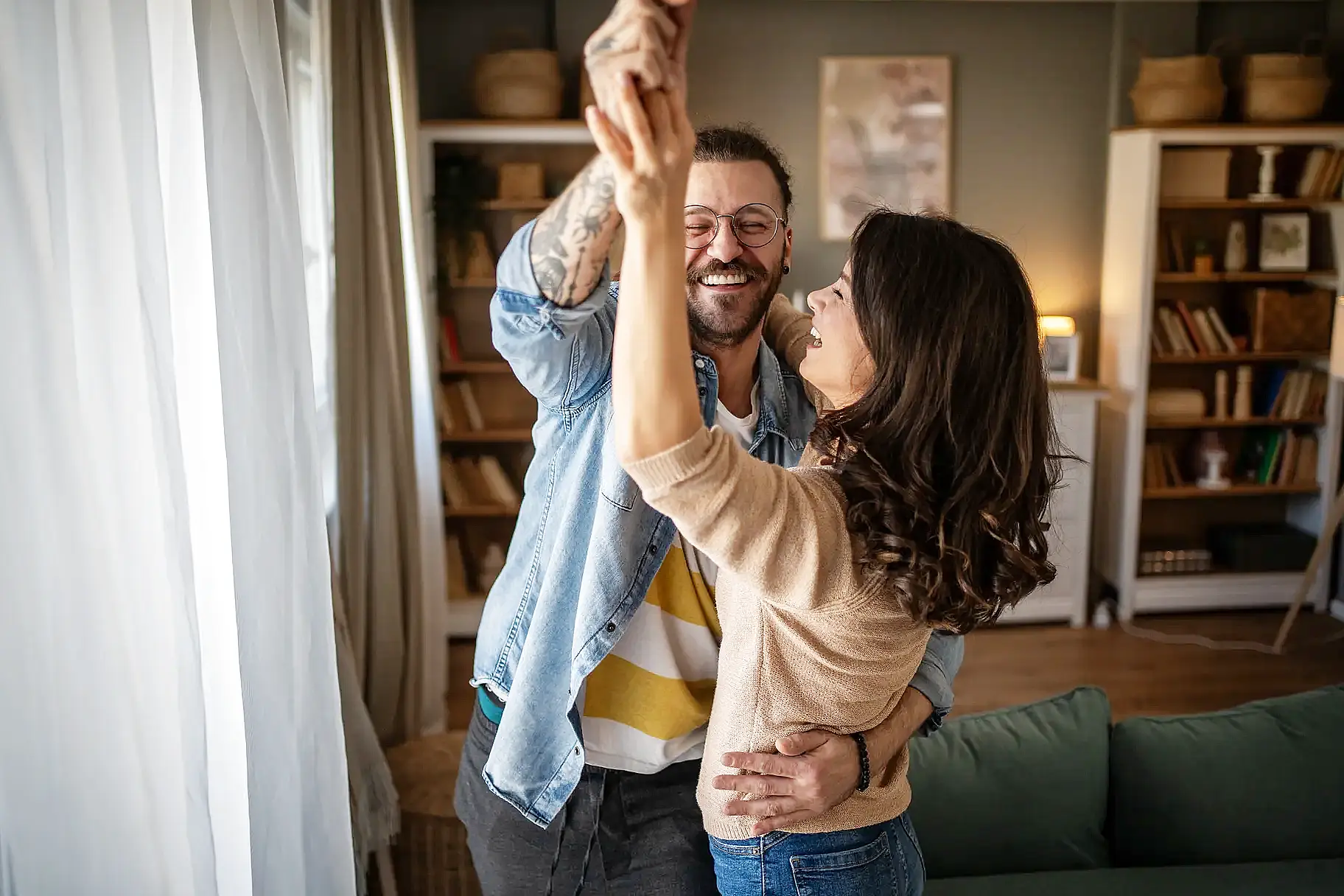
Modern couples therapy increasingly integrates trauma-informed principles. Recognizing how past experiences impact present interactions helps partners support each other with sensitivity and patience.
Trauma-informed approaches encourage couples to create safety, offer choice, and respect personal boundaries. They also emphasize cultural responsiveness, making space for each partner's unique background.
A couple might notice that certain topics trigger anxiety or withdrawal. Together, they agree to use grounding techniques, like naming five things in the room, if either feels overwhelmed. By honoring each other's histories, partners can build trust and work toward healing together.
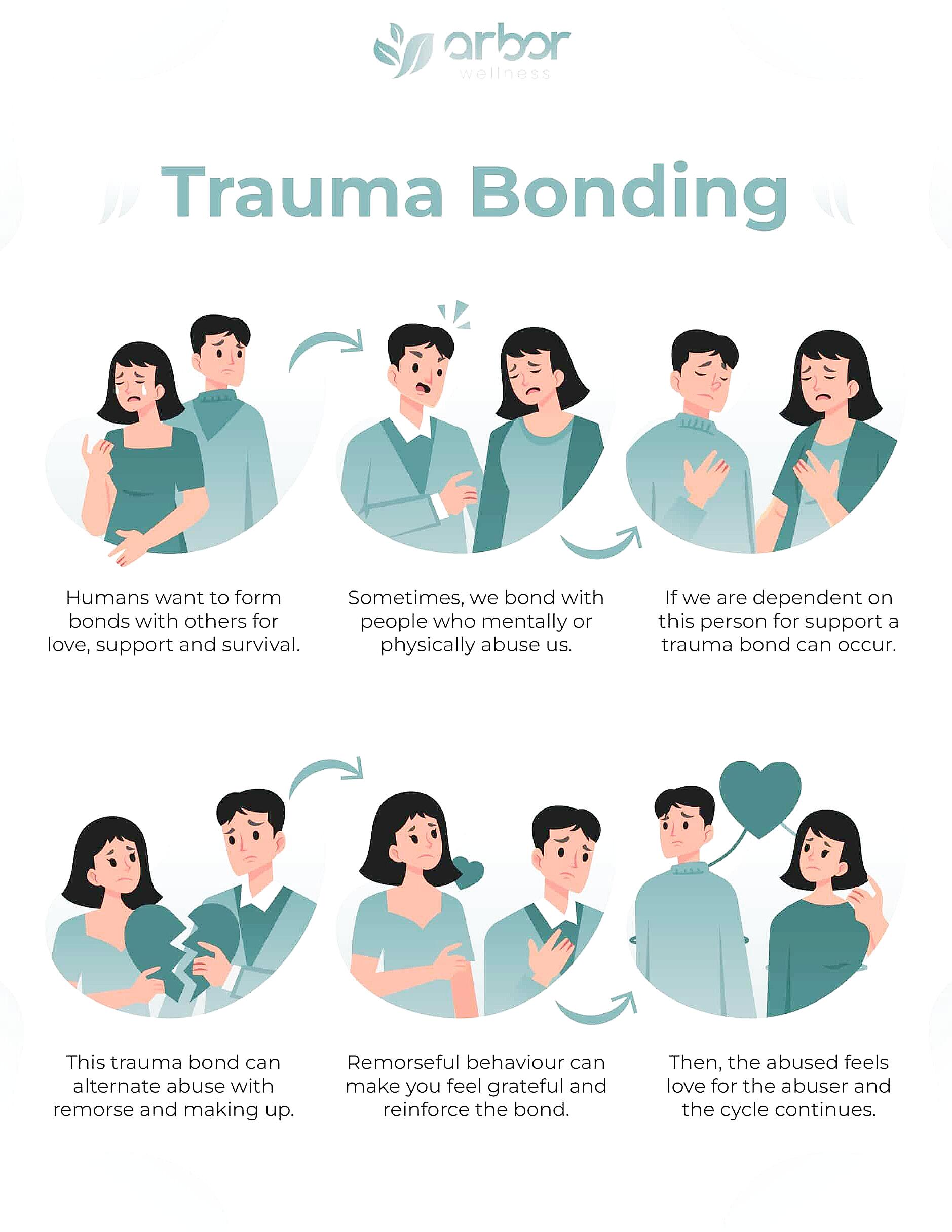
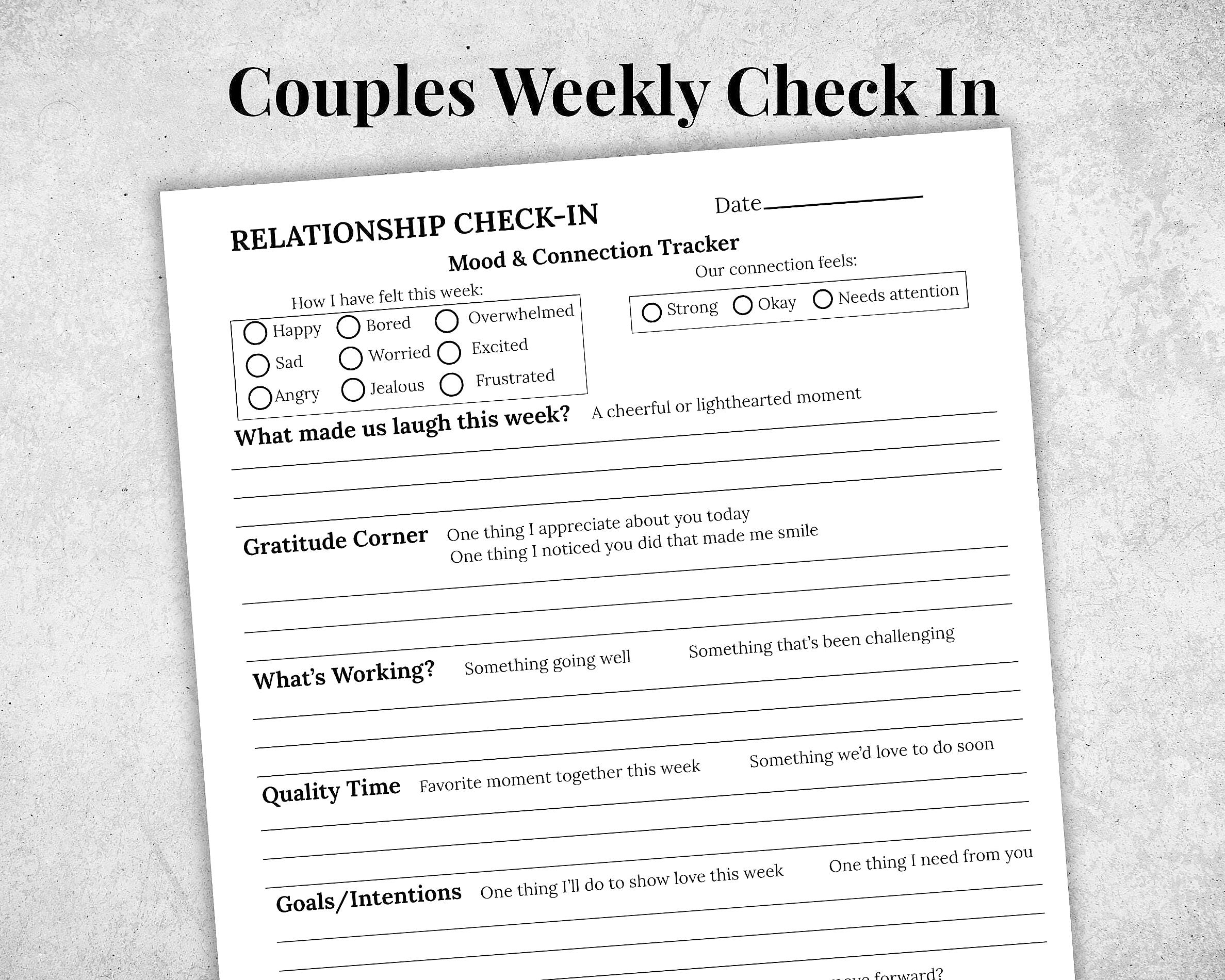
Preventive relationship skills are like routine maintenance for your connection. They include regular check-ins, showing appreciation, and making time for positive experiences before issues arise. Practicing these skills reduces the risk of chronic dissatisfaction or separation.
Many couples schedule a weekly "relationship check-in" or share three things they appreciate about each other every day. These habits build resilience and make it easier to weather tough times.
For example, two partners might set aside 30 minutes every Friday night to talk about highlights from their week, challenges, and plans for time together. This proactive approach keeps communication open and connection strong.
Wellness tools such as breathing timers, meditation apps, and gratitude journals can support both individual and relationship well-being. These self-guided tools are great complements to therapy exercises, they help you stay grounded, present, and appreciative together.
Research shows that gratitude journaling increases positive feelings, while guided meditation supports emotion regulation and self-awareness. Couples who use these tools often report feeling closer and more resilient.
Picture a couple winding down in the evening, each writing one thing they're grateful for about the other, or using a meditation timer to relax together before bed.
If you're looking to enhance your relationship with private, supportive tools, Explore CalmAtHome's meditation and gratitude journal tools for couples. These resources make it easy to nurture connection in everyday life.

While at-home couples therapy techniques are helpful, some challenges require the expertise of a licensed professional. Marriage counselors guide couples through customized evidence-based methods and offer support tailored to your unique relationship dynamics.
Seeking help early increases your chances of positive change. Therapist matching platforms have made it easier than ever to find qualified, licensed providers who fit your needs and preferences.
Many couples, after trying at-home exercises, decide to research therapists online. Therapist bios, specialties, and reviews can all help you make an informed choice.
If you're ready for personalized support, Connect with licensed couples therapists through CalmAtHome. The right professional can guide your journey toward lasting relationship change.
Integrating evidence-based couples therapy techniques, like those outlined above, gives you a practical toolkit for improving communication, deepening emotional connection, and building resilience together.
Relationship improvement is possible with consistent practice, self-awareness, and sometimes professional support. Every couple can grow stronger by taking small, intentional steps.
If you feel ready for deeper, personalized help, Find a licensed couples therapist to support your journey today. Guided support can make a meaningful difference.
You can also Try CalmAtHome's meditation and breathing tools to enhance emotional regulation together.
Your relationship deserves care, and you have options. Start where you feel comfortable, and remember that growth is always possible.
Evidence-based couples therapy techniques increase your chances of positive change, but there's no method that guarantees results. Research supports the benefits of these approaches for many couples, yet real impact depends on your commitment and how well a method fits your unique needs.
Consistent practice makes a big difference, and sometimes professional guidance is necessary to address deeper issues or stuck patterns. You don't have to figure it all out alone.
If you're unsure where to start, you might want to take a self-assessment or connect with a licensed therapist for advice tailored to your situation.
Many couples therapy exercises are designed to be accessible at home. Practicing these on your own can empower you and your partner, offering a meaningful step toward change.
However, at-home exercises may not address all underlying dynamics or provide the insight that a professional can offer. CalmAtHome provides self-guided tools and therapist matching so you can combine both approaches, depending on your comfort and needs.
Start with simple exercises, and if you find persistent challenges, consider reaching out for professional support.
The Gottman Method focuses on structured communication, conflict management, and building a strong relationship foundation. Its core techniques are about understanding each other's world and managing disagreements respectfully.
Emotionally Focused Therapy (EFT) is designed to strengthen emotional bonds and address attachment needs by helping partners express vulnerability and build security. Both methods are integrating trauma-informed elements in modern practice.
You can try exercises from each approach to see which best fits your relationship. If you're curious, a therapist can help you explore both together.
Learn how to host a sibling team building retreat at home with our step-by-step guide, schedules, and activity ideas to strengthen sibling bonds.
Discover how sibling team building games nurture empathy and communication skills for stronger family bonds. Learn effective sibling relationship strategies.
Use therapist-approved relationship check-in questions to strengthen communication and connection. Try a self-guided couples therapy check-in today.