
How to Plan a Sibling Team Building Retreat at Home: Step-by-Step Guide
Learn how to host a sibling team building retreat at home with our step-by-step guide, schedules, and activity ideas to strengthen sibling bonds.
- Published at
Discover 10 research-backed tips to boost your child's emotional intelligence and build healthy relationships. Start raising resilient kids today!
Amanda SmithRaising a child who understands and manages their emotions is every parent's hope. But knowing exactly how to foster child emotional intelligence at home can feel overwhelming. This guide breaks down ten actionable, research-backed strategies you can use now to nurture your child's emotional development, set them up for stronger relationships, and build lifelong resilience.
Developing emotional intelligence in childhood lays the foundation for healthy relationships and lifelong resilience. Kids who understand their feelings can talk about them, solve problems, and handle social challenges with confidence. Emotional intelligence supports better social and coping skills, children who learn these skills early often manage stress more effectively and form deeper bonds with friends and family.
Consider the difference when a child faces a conflict at school. A child who has practiced emotional skills may say, "I feel left out," instead of lashing out or withdrawing. This opens the door for problem-solving and support, rather than escalation. Early development of these abilities influences not only immediate well-being but also future academic and social success.
When children feel understood at home, they're more likely to build positive relationships outside it. Let's explore proven ways you can nurture these skills each day.
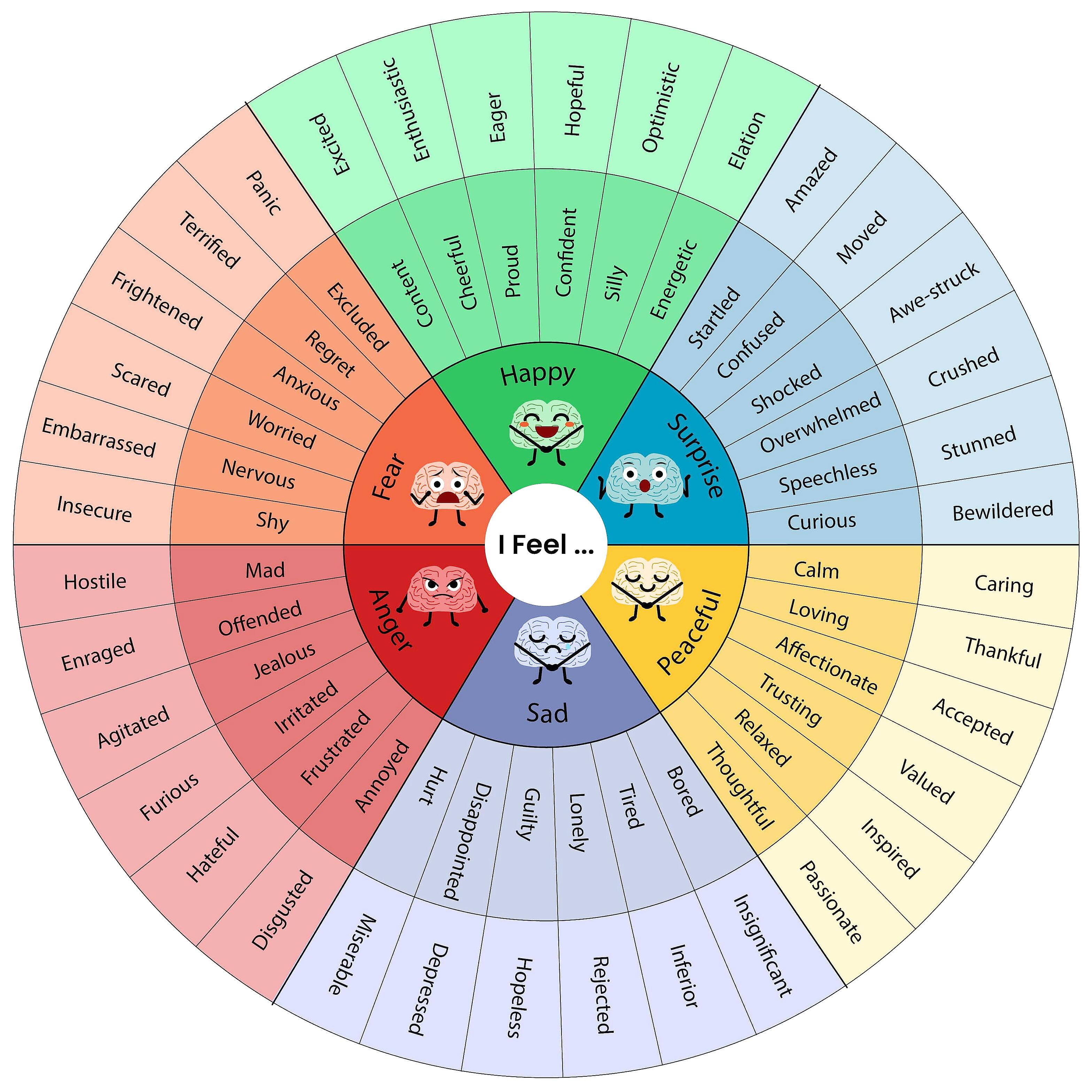
Helping children name and identify their feelings improves their emotional awareness and communication skills. This simple act, called emotion labeling, is one of the most effective ways to foster child emotional intelligence, according to current research trends. Using age-appropriate feeling words further enhances emotional vocabulary, giving kids the words they need to ask for support and express themselves clearly.
Start with everyday situations. For toddlers, you might say, "I see you're feeling frustrated because your block tower fell." With school-age kids, try, "It sounds like you're disappointed that your friend canceled plans." These scripts show your child that all feelings are normal and manageable.
Choose words that match your child's age and understanding. Toddlers benefit from basic terms like happy, sad, or mad. As children grow, introduce more nuanced emotions: "You seem nervous about your test," or "I can see you're proud of your drawing."
For more on the scientific importance of emotion labeling and parental modeling, learn more about child emotional intelligence from the APA.
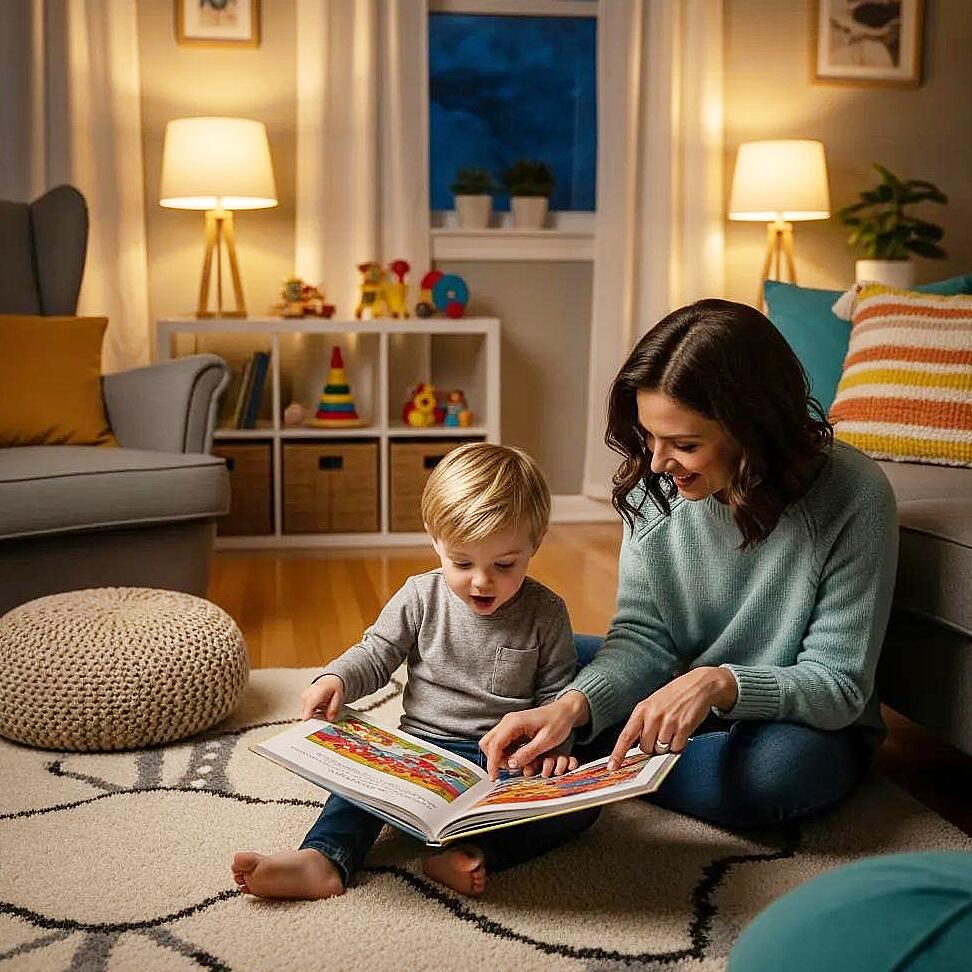
Children need a trusting environment where they feel safe to express emotions without judgment to develop emotional intelligence. When parents demonstrate attentive listening and empathy, kids learn that emotions, even tough ones, are welcome and valid.
Imagine your child coming to you after a tough day, saying, "I feel sad because no one played with me." A supportive response might be, "That sounds really hard. Thank you for telling me. Do you want to talk about it or just sit together for a while?" This kind of emotional safety encourages your child to share openly, building trust and emotional growth.

Providing a safe space for emotions sets the stage for healthy coping and stronger relationships. Next, let's see how validation and boundaries work hand-in-hand.
Acknowledging your child's feelings while guiding acceptable behavior teaches emotional regulation and respect. Validation and boundary-setting are not opposites, they're complementary approaches, as supported by current research trends. This means you can both empathize with your child's feelings and set limits on their actions.
Validation means showing your child you understand their emotion, even if their behavior isn't okay. For example, when your child is having a tantrum, you might say, "I know you're really angry because it's time to leave the playground. It's hard to stop having fun."
After validating, set a clear boundary: "It's okay to feel angry, but it's not okay to hit. We can talk about how you feel, or we can take a few deep breaths together." This approach teaches that all feelings are valid, but not all behaviors are allowed. Correction of a common myth: validating your child doesn't mean permitting all actions.
If you're curious about how your parenting style influences validation and boundaries, you might want to explore self-assessments to understand your parenting style. This can help you reflect on your approach and find areas for growth.
Modeling calm during tough moments is the next key to emotional learning.
Children learn to manage emotions best by observing their parents' calm and regulated responses. Parents are the primary emotional role models. When you handle your stress and emotions calmly, your child learns healthy coping strategies and emotional management. According to research trends, calm self-regulation by parents shapes children's emotional skills, a point echoed by child psychologist Dr. Jane Smith: "Kids learn emotional intelligence primarily by watching their parents regulate emotions calmly."
Your reactions become your child's guide. If you stay composed during a stressful moment, your child sees that it's possible to face challenges without losing control. This teaches resilience and self-regulation by example.
Try these approaches when emotions run high:
If you want to demonstrate calm in real time, CalmAtHome's breathing and meditation timers can help. Practicing together shows your child that emotional regulation is a lifelong skill, not just a rule for them.
Let's look at how play can make these lessons even more engaging.
Engaging children in games, role-play, and story activities promotes understanding of others' feelings and empathy. Play-based emotional learning, as highlighted by current research trends, is a low-friction, highly effective way to build emotional skills at home.
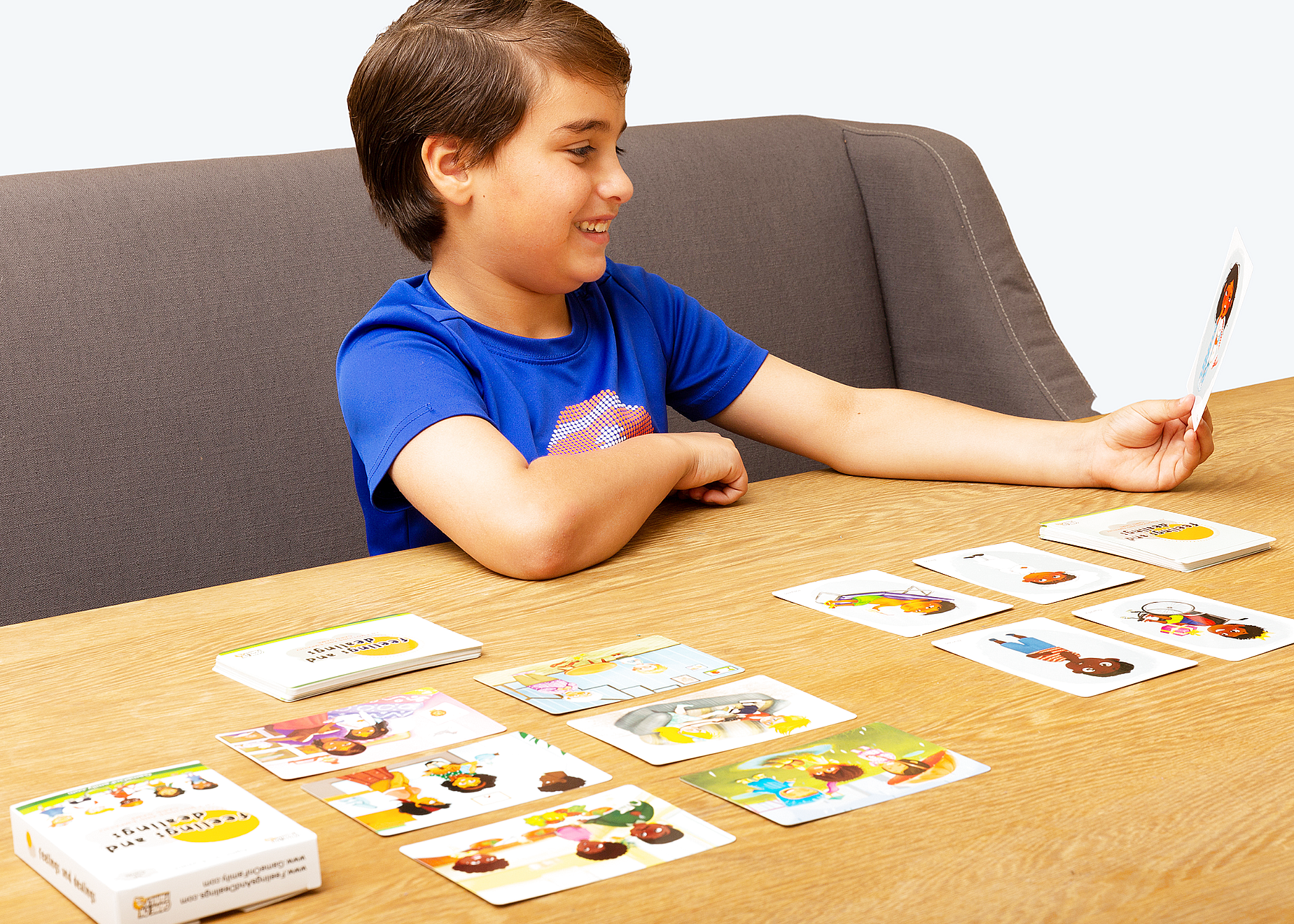
Games like "emotion charades" or matching faces to feelings help children recognize emotions in themselves and others. For ages 4-8, emotion cards are especially effective. Shuffle a deck of cards with different facial expressions, and have your child guess the feeling and describe when they felt that way.
Acting out story situations ("Pretend your friend is sad, what would you say?") helps children practice empathy. Storytelling with dolls or action figures also allows them to explore how characters feel and respond, deepening their emotional understanding.
Next, add problem-solving and coping skills to build real resilience.
Building emotional intelligence equips children with resilience and better stress management through problem-solving and coping techniques. Children who learn healthy coping strategies are more likely to bounce back from setbacks and manage stress in positive ways, as research shows.
Teach basic techniques like:
Guide your child through challenges by breaking them into steps:
One example: A parent helps their child calmly work through frustration after a tough day at school, focusing on what they can do next rather than getting stuck in the feeling.
Family routines provide opportunities to reinforce these skills every day.
Strong family connections create a supportive environment that nurtures emotional intelligence in children. When families bond, children feel accepted and more likely to share their emotions. Trust and openness flourish through everyday routines and shared activities.
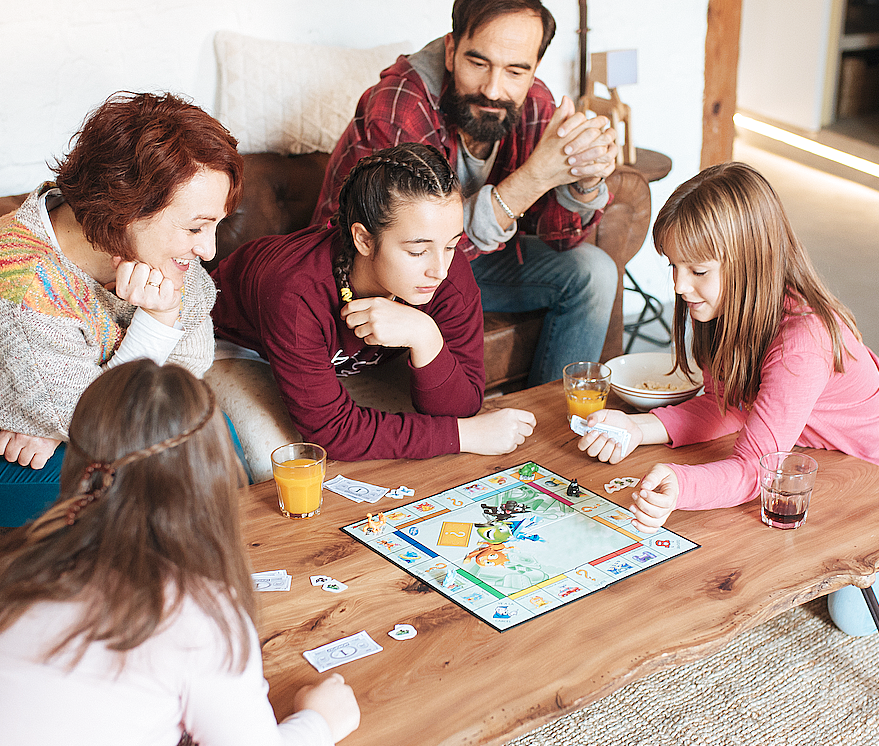
Simple habits, like eating together, daily check-ins ("What was the best and hardest part of your day?"), or bedtime stories, build moments for emotional sharing. These routines set predictable opportunities for kids to talk, listen, and feel supported.
Games, outings, or shared storytelling create positive memories and reinforce a sense of belonging. Regular family game nights, cooking together, or even group mindfulness exercises can make emotional learning feel natural and fun.
Practicing mindfulness and gratitude is the next step in fostering a positive emotional outlook.
Mindfulness and gratitude exercises help children recognize emotions and develop a positive emotional outlook. Mindful moments increase emotional awareness, while gratitude journaling supports positive mental health.
Guide your child through brief breathing exercises: "Let's pay attention to our breath for a minute," or "What can you hear right now?" Sensory awareness activities, like describing what you see, hear, smell, and feel, help center children in the present moment.
Encourage your child to write or draw one thing they're thankful for each day. This practice helps shift focus toward positive experiences, reinforcing optimism and emotional resilience.
With CalmAtHome's gratitude journal and mindful moment tools, you and your child can make these exercises a daily habit, together.
Still, sometimes you and your child might need extra support.
Professional guidance can enhance your efforts in raising emotionally intelligent and resilient children. If your child faces ongoing emotional struggles, or you feel stuck despite trying these strategies, connecting with a licensed therapist is a positive step. Therapist support helps families navigate complex emotional challenges and develop tailored approaches for your unique situation.
Picture a parent who, after noticing persistent emotional difficulties, decides to reach out for help. Online therapist matching offers an accessible, confidential way to get professional support without leaving home.
If you're ready, you can find a licensed child therapist via CalmAtHome for direct support and guidance tailored to your family.
Let's put it all together for lasting results.
Consistent use of these strategies fosters your child's emotional intelligence and resilience for a healthy future. Teaching emotion labeling, validation, modeling calm, play-based empathy, problem-solving, and gratitude, all these build a path toward confident, connected kids. Remember, seeking support is always a strength, not a weakness.
If you'd like professional guidance for your family, explore licensed therapists to support your family's emotional health. Your efforts, and willingness to ask for help, make a real difference.
You can begin teaching emotional intelligence as soon as your child is a toddler. Simple emotion labeling ("You look sad," "You seem excited") gives young children a foundation for understanding their feelings. As they grow, expand their feeling vocabulary and introduce more complex emotions and coping strategies. Research shows that emotion labeling is an effective early intervention.
If you want an easy place to start, CalmAtHome's mindfulness tools are designed to be simple enough for young children and can help build awareness from an early age.
It's possible to acknowledge your child's emotions sincerely while setting clear boundaries around behavior. For example, you can say, "I see you're upset, but it's not okay to throw toys." This distinction is supported by research, which highlights that validation and boundary-setting are two sides of effective parenting.
If you're looking to reflect on your own approach, try joining CalmAtHome's community forums for support from other parents facing similar challenges.
If your child continues to have difficulties managing their emotions after you've tried these strategies, it may be time to consult with a licensed therapist. Professional support can offer personalized tools and insights tailored to your child's needs.
Seeking help is a sign of strength, not failure, and online options like CalmAtHome's therapist matching service make access easier than ever.
Teaching emotion labeling and validation builds your child's awareness and communication skills. Modeling calm behavior and using play-based learning nurture emotional regulation and empathy. If you face persistent challenges, seeking professional support for your child is a positive step.
Many parents feel unsure about how to start or worry they're not doing enough. You're already making progress by learning and trying new strategies.
If you're ready for added guidance, connect with licensed child therapists through CalmAtHome for support tailored to your family's needs. And if you'd like to model calmness together, use CalmAtHome's wellness tools like the breathing timer to introduce mindful habits at home.
You have everything you need to build a more emotionally connected family, one step at a time.
Learn how to host a sibling team building retreat at home with our step-by-step guide, schedules, and activity ideas to strengthen sibling bonds.
Discover how sibling team building games nurture empathy and communication skills for stronger family bonds. Learn effective sibling relationship strategies.
Use therapist-approved relationship check-in questions to strengthen communication and connection. Try a self-guided couples therapy check-in today.