
How to Plan a Sibling Team Building Retreat at Home: Step-by-Step Guide
Learn how to host a sibling team building retreat at home with our step-by-step guide, schedules, and activity ideas to strengthen sibling bonds.
- Published at
Use therapist-approved relationship check-in questions to strengthen communication and connection. Try a self-guided couples therapy check-in today.
Amanda SmithIf you and your partner feel your relationship is generally solid but want to keep it strong, you're not alone. Many couples look for simple ways to prevent small miscommunications from turning into bigger problems. Relationship check-in questions, the kind therapists use, can help you nurture your bond, even if you're not ready for formal couples therapy.
Regular check-ins are like preventive emotional tune-ups for couples who want to stay strong together. These conversations aren't just for couples in crisis, they're for anyone who wants to keep communication open, honest, and caring. Taking 20 minutes once a week or even once a month to check in, much like a mini therapy session, can make a real difference in how you relate and connect.

Imagine a busy couple who sets aside 20 minutes every Friday evening just to talk, no phones, no TV, just each other. This intentional pause gives both people room to reflect and share before little disagreements grow or positive moments slip by unnoticed.
Making time for regular relationship check-ins builds resilience. It helps you spot issues early, express appreciation, and reaffirm your goals as a couple. This habit increases trust and strengthens your sense of partnership, so challenges feel less overwhelming when they do arise.
By making check-ins routine, you invest in your connection and create a safe space to share feelings, hopes, and worries. Next, let's look at the specific questions therapists recommend for meaningful self-guided check-ins at home.
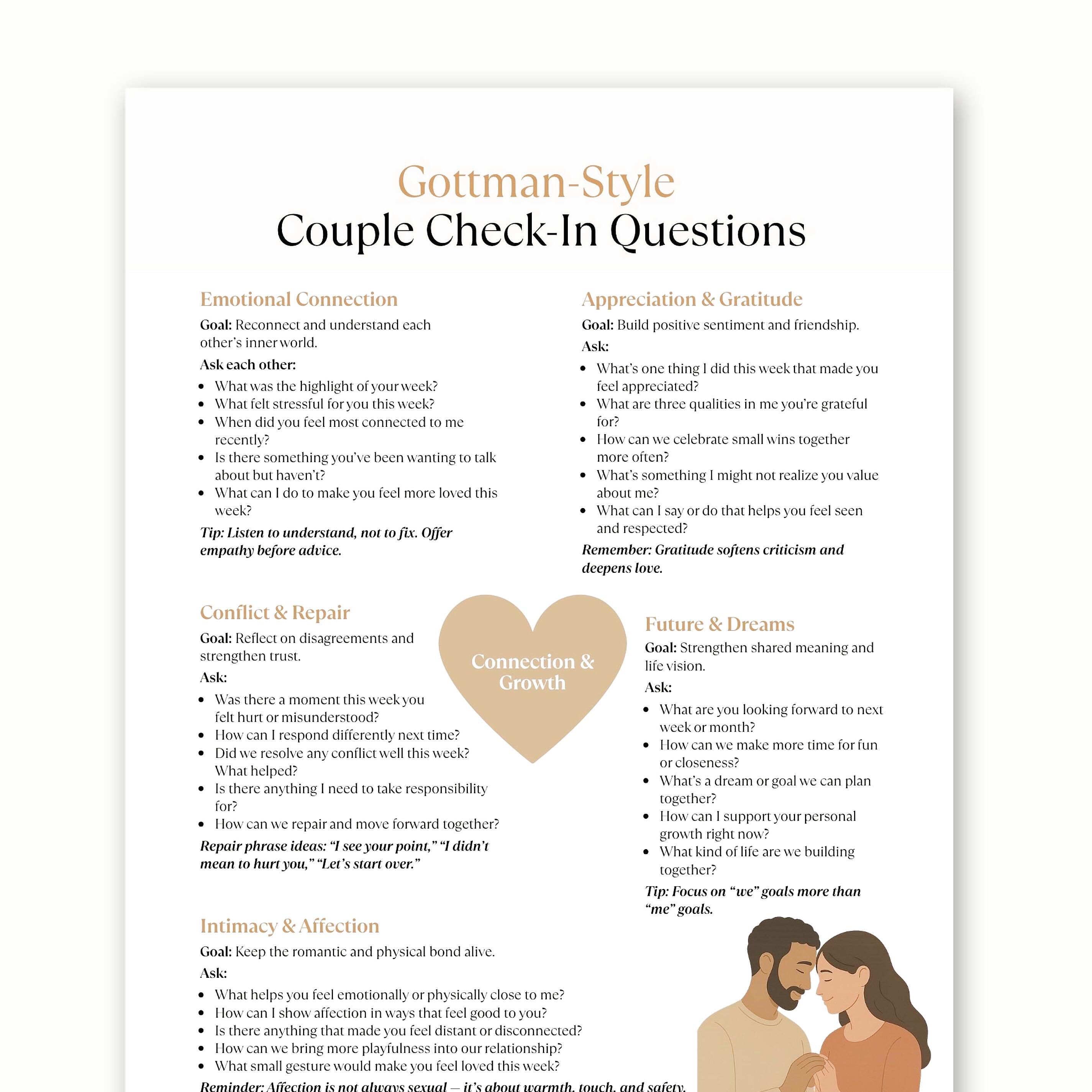
The right questions can transform your conversations. Therapist-approved relationship check-in questions are straightforward and designed to guide honest, productive talks, just like in couples therapy, but simple enough to use at home.
These prompts cover four themes: feelings, appreciation, concerns, and goals. Use them once a week or as needed to open up communication and deepen your partnership.
Having these questions printed out or saved makes it easier to start the conversation, especially if you're feeling awkward or unsure where to begin. If you want a structured, therapist-approved list to guide your next DIY check-in, you can Access therapist-approved relationship check-in question list from CalmAtHome's Relationship Satisfaction Test. This resource helps you get started with evidence-based prompts for self-guided couples therapy.
Sometimes, you might realize that talking through questions at home is helpful, but you want deeper support. CalmAtHome makes it easy to find a licensed couples therapist who can guide you further, all online and on your schedule.
A check-in only works if both people feel comfortable and heard. The most successful couples create a regular routine and a relaxed environment for these conversations, turning good intentions into real habits.
Start by choosing a time that's easy to remember, maybe Friday evenings after dinner or Sunday mornings over coffee. Setting aside phones and other distractions signals that this moment is for the two of you, not work, friends, or screens.

A real-life example: One couple picks Friday nights for their check-in, puts their phones in a drawer, and makes tea before starting. This ritual helps them transition from busy week to meaningful connection.
Setting these ground rules makes check-ins feel safe and productive, not like a test or performance. Next, let's talk about when a self-guided check-in might not be enough, and how professional therapy can help.
DIY relationship check-ins are powerful, but they can't solve every challenge. Sometimes, persistent conflict, ongoing emotional distance, or past trauma require extra support. That's when professional couples therapy can make the difference.
If you've done several check-ins but certain issues keep coming up, or if you feel stuck in the same arguments, it might be time to seek expert help. Therapists offer a safe space and tailored strategies that go beyond what you can do at home.
If you're unsure whether your concerns are "serious enough" for therapy, CalmAtHome offers an anonymous Find out if couples therapy is right for your relationship. It can help you reflect and decide if extra support makes sense for you.
Online therapy removes many barriers, no commute, more privacy, and flexible scheduling. With CalmAtHome's therapist matching, you can be connected with licensed online couples therapists who understand your situation and can guide you through sessions at your pace. If you're ready to deepen your relationship work, this option is available without leaving home.

A printable worksheet makes relationship check-ins easier to start and keeps you focused on what matters. These tools give you a consistent format, no scrambling for what to ask or how to take notes.
Imagine a simple checklist with space to jot down your partner's answers, your own feelings, and anything you want to remember for next time. You can revisit these worksheets as journal prompts, tracking your growth and recurring themes.
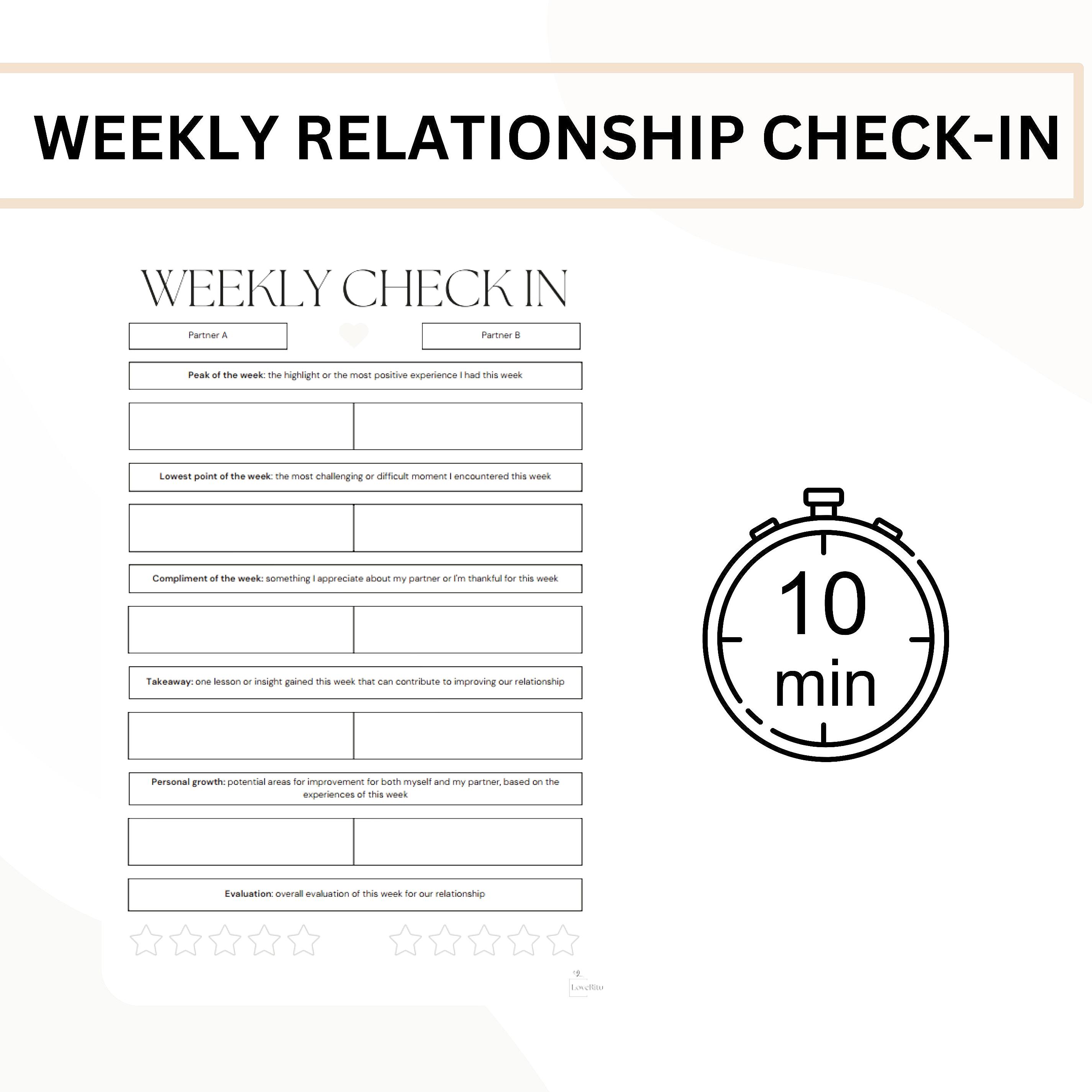
Simple, therapist-approved questions focusing on feelings, appreciation, challenges, and goals guide home check-ins. For example:
Weekly or monthly check-ins help maintain connection and prevent issues from growing. Consider these as mini therapy sessions at home, where you set aside time just for each other. Set a recurring time that fits your schedules and stick to it, consistency is more important than frequency.
DIY check-ins support healthy communication but are not substitutes for therapy when facing serious challenges. If you notice recurring conflicts or emotional distance, it's wise to seek professional help. CalmAtHome offers therapist matching for couples ready to deepen work when self-guided efforts aren't enough.
Regular relationship check-ins build a strong foundation through open communication. Therapist-approved questions provide simple yet powerful prompts for meaningful dialogue, helping couples stay connected and resilient. And when DIY efforts need extra support, professional therapy is a valuable next step.
For ongoing support, try using CalmAtHome's mindfulness tools to support emotional connection and calm, like a gratitude journal or mindful timer.
Every conversation you have together is a chance to grow, reflect, and strengthen your bond, at your pace, in your way.
Learn how to host a sibling team building retreat at home with our step-by-step guide, schedules, and activity ideas to strengthen sibling bonds.
Discover how sibling team building games nurture empathy and communication skills for stronger family bonds. Learn effective sibling relationship strategies.
Explore proven couples therapy techniques and relationship exercises backed by 2026 research to strengthen your bond. Learn practical methods today.