
Why Sibling Team Building Games Improve Empathy and Communication
Discover how sibling team building games nurture empathy and communication skills for stronger family bonds. Learn effective sibling relationship strategies.
- Published at
Learn how to host a sibling team building retreat at home with our step-by-step guide, schedules, and activity ideas to strengthen sibling bonds.
Amanda SmithStrengthening the bond between siblings can feel challenging, especially when busy schedules leave little room for quality time. If you're a parent or guardian hoping to help your children connect, a sibling team building retreat at home can offer a meaningful solution. This guide gives you the practical steps, activity ideas, and wellness tools you need to make your sibling bonding weekend both enjoyable and impactful.
A sibling team building retreat at home creates a dedicated space and time for siblings to connect, communicate, and strengthen their relationship, all in the comfort of their own environment. When you set aside intentional time for your children to share experiences, you're fostering deeper relationships that might not develop through day-to-day routines.
A home setting removes many of the pressures or distractions found elsewhere, providing a low-stress environment where siblings can open up and communicate more freely. Team building activities encourage cooperation and help siblings practice understanding each other's perspectives in a familiar and safe place.
Take, for example, a family where both parents work and after-school schedules are jammed with activities. Siblings might spend the whole week passing each other in the hallway, hardly sharing more than a quick hello. Dedicating a weekend to a retreat, with specific activities and moments for reflection, can help them rediscover the joy of being together.
At-home retreats help siblings see each other in a new light, building trust and understanding that can carry into daily life.
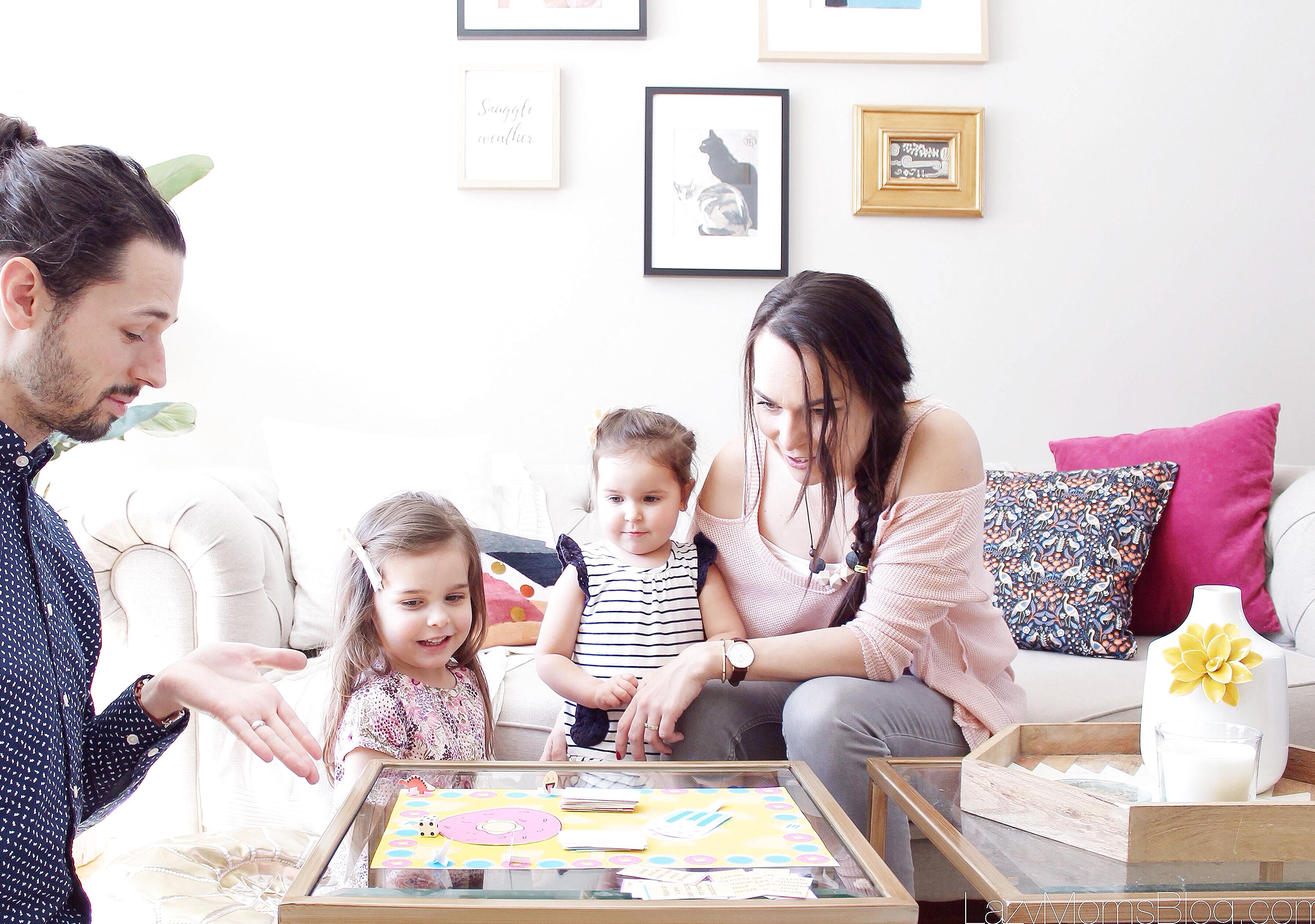
A structured schedule with balanced activities and breaks helps maximize engagement and ensures the retreat runs smoothly and enjoyably for all siblings. Planning is key, you'll want to set aside dates, pick activities, and allow time for downtime and reflection.
A clear itinerary not only helps siblings know what to expect, but also makes the experience feel special and exciting. It's about creating a weekend that feels different from any other.
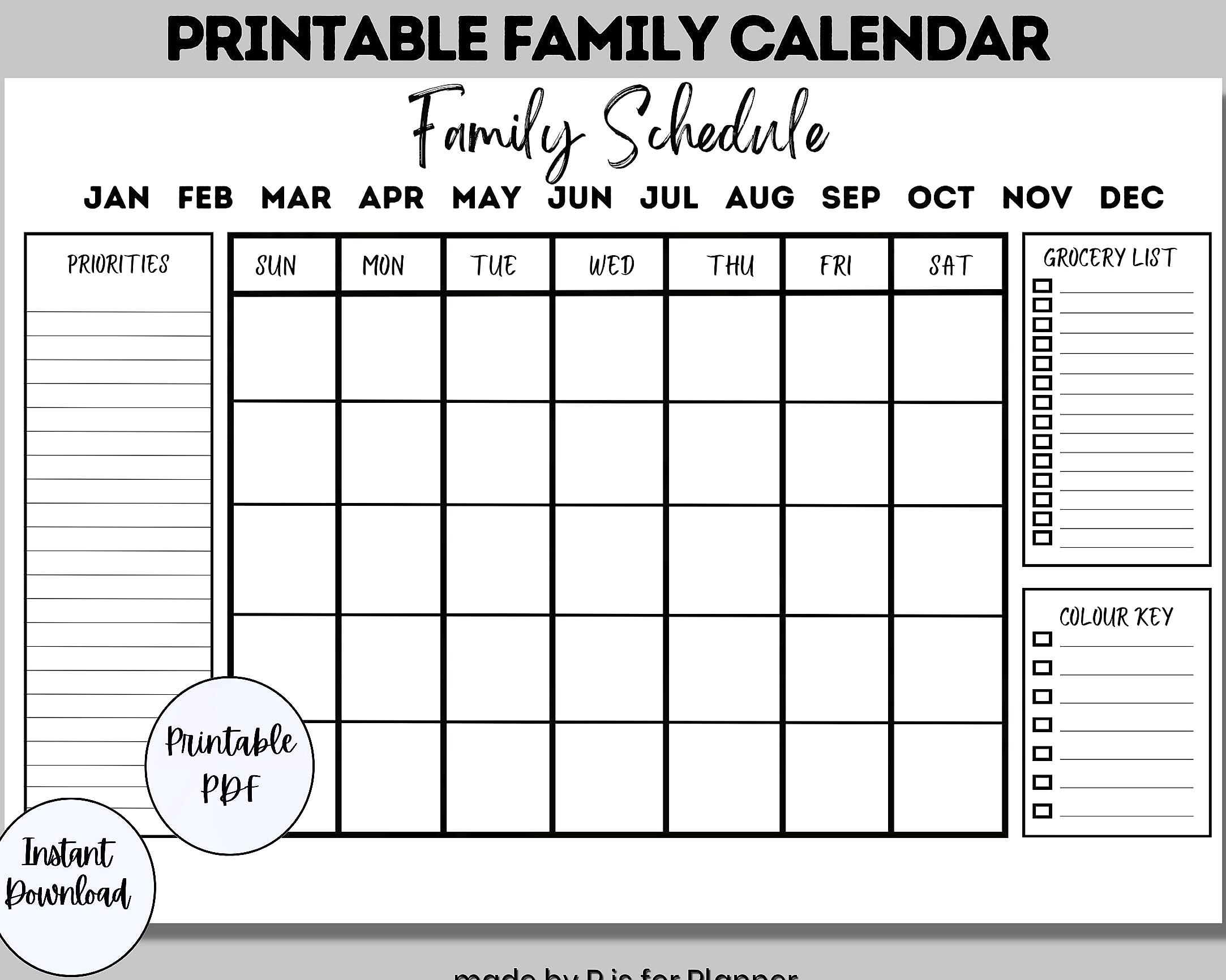
Start by choosing a weekend where everyone can participate. Balance is important: mix active team challenges with creative projects, meals, and restful breaks. Too much structure can feel rigid, but too little may lead to boredom or conflict. Aim for a flow that keeps everyone engaged without being overwhelming.
Tips for creating a balanced schedule:
Here's an example timeline to spark your planning:
Saturday:
Sunday:
By planning ahead, you're setting the stage for a memorable sibling bonding weekend.
Incorporating fun, interactive activities designed to foster teamwork and trust is essential to deepening sibling bonds during the retreat. Activities should encourage siblings to collaborate, communicate, and rely on each other.
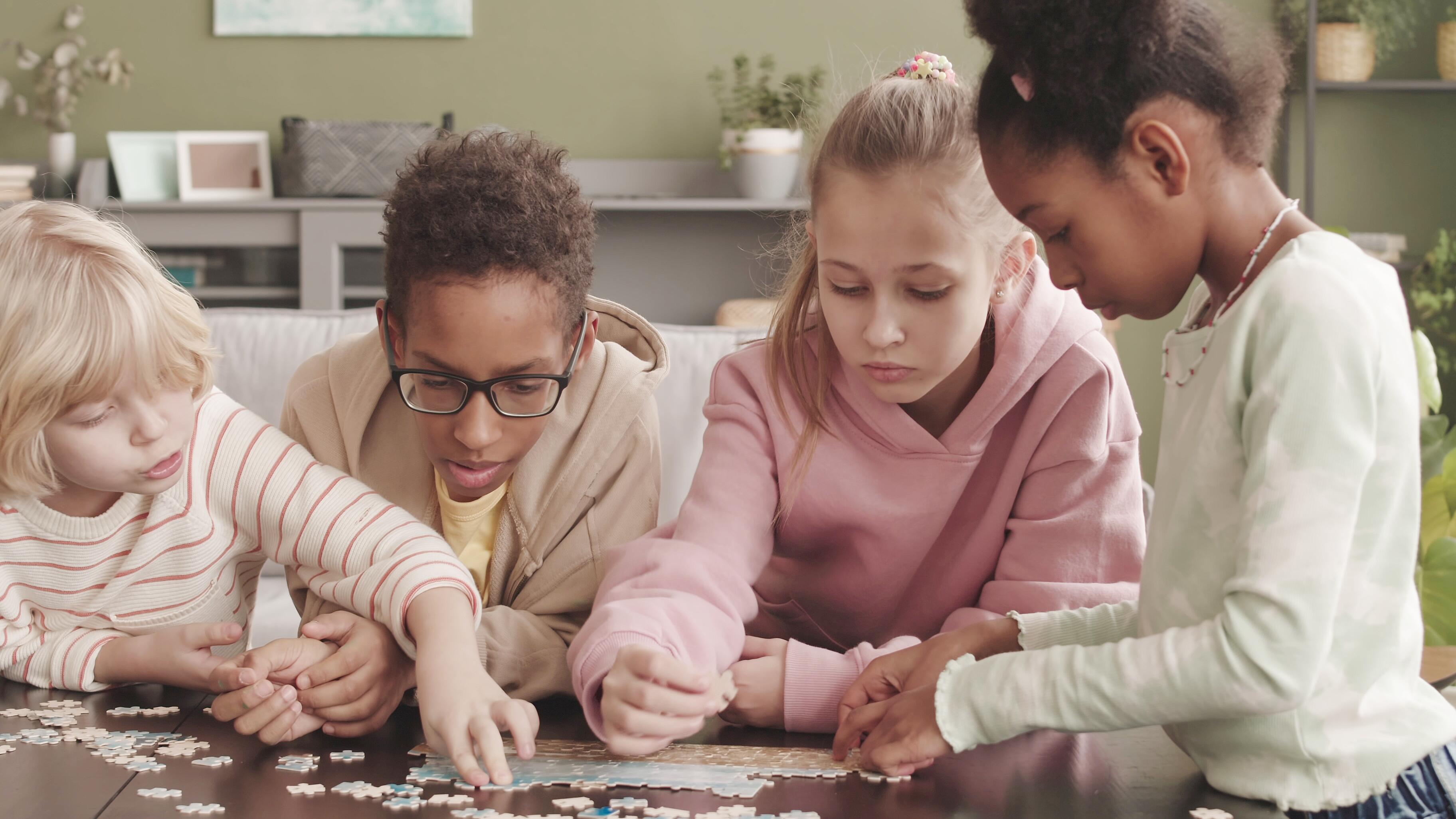
Choose games that require siblings to work together rather than compete. Here are some age-appropriate, proven options:
Activities that build trust and empathy can nurture openness:
Matching activities to the ages and interests of your children helps ensure everyone participates willingly. When siblings feel heard and valued, real connection happens.
Incorporating mindfulness and wellness tools during the retreat helps siblings stay present, reduce tension, and deepen their emotional connection. Mindfulness practices, such as breathing exercises or group meditation, can set a calm, positive tone for the day and encourage siblings to tune into their own feelings, and each other's.
Mindfulness tools are not about perfection, but about presence. Even young children can enjoy a few minutes of guided breathing or meditation, especially when it's introduced as a group activity and supported by a timer or gentle prompts.
Mindfulness encourages siblings to slow down and notice their thoughts and feelings without judgment. Simple practices before or after activities, like mindful breathing or a short gratitude exercise, can help everyone stay calm and connected. These exercises also offer tools for coping with frustration or conflict during the retreat.
Starting the day with a guided meditation session using CalmAtHome's meditation timer is a simple, structured way to bring everyone together. The timer helps set clear boundaries for the exercise, making it easy for siblings of any age to participate without feeling overwhelmed by silence or uncertainty.
You can gather in a circle, explain that meditation is just about paying attention to your breath, and let the timer gently guide the process. Even five minutes can make a difference in mood and focus, setting a positive foundation for the day's activities.
Try CalmAtHome's meditation timer to guide sibling mindfulness exercises during your retreat. Private. Educational. Not a diagnosis.
Anticipating common challenges and applying strategies to maintain positivity helps ensure a successful and enjoyable sibling retreat experience. Even with the best planning, disagreements or reluctance can happen, and that's okay.

Before your retreat begins, set simple ground rules. These might include listening when others speak, taking turns, and agreeing to resolve disagreements respectfully. When everyone knows what's expected, it's easier to create a supportive environment.
If siblings disagree during an activity (say, one wants to play a game the other dislikes), pause and invite each child to share their feelings. As a parent, you can guide the conversation gently: "Let's hear what each of you thinks, then we'll find a solution together." Remind them that the goal is connection, not perfection. Flexibility in the schedule, like offering alternative activity choices, can also help accommodate differing interests.
Encouraging open communication throughout the retreat lets siblings express themselves, and teaches valuable skills for future disagreements. With patience and clear boundaries, most bumps can become chances to practice empathy.
A sibling retreat can be as short as a weekend or extended over multiple days, depending on your family's schedule and the ages of your children. The key is to balance keeping siblings engaged with respecting their attention spans and daily routines.
If this is your first retreat, consider starting with one or two full days. See how it goes, then adjust the length for future retreats based on what works for your family.
It's normal for siblings to feel hesitant about structured activities, especially if they seem different from your usual routine. Making activities fun, age-appropriate, and varied can boost engagement.
Involve your children in planning the schedule, let them pick activities or meals. This gives them a sense of ownership and increases the likelihood they'll join in willingly.
Mindfulness practices promote presence and emotional regulation, which can make it easier for siblings to communicate and understand each other. Even simple exercises like group breathing or guided meditation can help siblings notice their own feelings and listen more openly.
Encourage your children to try mindfulness together and see what feels comfortable. Over time, these tools can become a natural part of how your family connects.
A dedicated sibling team building retreat at home is a powerful way to foster stronger bonds through shared experiences. By planning a balanced schedule with engaging activities, you help your children create lasting memories and deepen their connection. Using mindfulness tools like a meditation timer further supports emotional understanding and keeps the retreat calm and positive.
If you felt unsure where to start before reading, know that intentional planning and simple wellness tools can truly make a difference. To support your family's mindfulness practice, explore CalmAtHome's meditation timer, it's an easy way to guide group exercises and help siblings stay present and connected.
If you'd like to share your experiences or get additional support, join the CalmAtHome peer community to connect with other parents and caregivers.
Start with what works for your family, and remember: every small effort to nurture sibling connections counts.
Discover how sibling team building games nurture empathy and communication skills for stronger family bonds. Learn effective sibling relationship strategies.
Use therapist-approved relationship check-in questions to strengthen communication and connection. Try a self-guided couples therapy check-in today.
Explore proven couples therapy techniques and relationship exercises backed by 2026 research to strengthen your bond. Learn practical methods today.