
How to Plan a Sibling Team Building Retreat at Home: Step-by-Step Guide
Learn how to host a sibling team building retreat at home with our step-by-step guide, schedules, and activity ideas to strengthen sibling bonds.
- Published at
Explore how flexible childcare options improve work-life balance for working parents. Discover adaptable solutions and reduce parental stress today.
Amanda SmithFinding childcare that truly adapts to your work and life isn't just a nice-to-have, it's essential for many working parents. Flexible childcare options support your unpredictable schedule and can be a game changer for your family's stress and well-being. Let's explore how modern solutions go beyond traditional daycare, reduce your stress, and empower you to regain work-life balance.
Flexible childcare options provide adaptable solutions that meet the varied needs of modern families balancing work and parenting responsibilities. These alternatives support diverse family schedules and actively reduce parental stress, especially for those facing unpredictable or nontraditional work hours. Modern childcare solutions aren't limited to the typical 9-to-5 daycare, they now include backup care for emergencies and innovative models like hybrid care and shared-care networks.

Flexible childcare refers to arrangements that adjust to your family's unique schedule, rather than expecting you to conform to a rigid timetable. Unlike traditional daycare, which often requires set drop-off and pick-up times, flexible childcare might offer part-time slots, backup care during emergencies, or access to a network of local caregivers for unexpected needs. For example, imagine a parent dealing with a sudden school closure and quickly arranging emergency backup childcare, this adaptability is at the heart of flexible solutions.
Unpredictable work demands, like last-minute meetings, travel, or overtime, can make fixed childcare nearly impossible for some families. When your job or your partner's schedule changes with little notice, having access to flexible childcare means you're less likely to miss work or scramble for last-minute help. This flexibility doesn't just reduce stress for parents; it also creates greater stability for children and the entire family, as highlighted by the American Psychological Association's support for arrangements that reduce parental stress and improve family well-being (Learn how flexible childcare reduces parental stress).
Ready to learn how employers can make this even easier? Let's look next at backup and emergency childcare services.
Employer-supported backup and emergency childcare services significantly reduce stress and absenteeism for working parents by providing reliable care during unexpected schedule disruptions. Backup care is a growing trend, and one of the most effective strategies for reducing parental stress

Backup childcare is a service that kicks in when your regular arrangement falls through, like when your child is sick, school is closed, or your babysitter cancels last minute. Many employers now partner with agencies to provide quick-access backup care, making it possible for parents to keep up with work commitments instead of scrambling for solutions or taking unplanned leave. Picture a parent who wakes to find daycare closed due to a water main break: with employer-backed backup care, they can get same-day help and still attend an important meeting.
The advantages are significant for both sides. Parents experience less anxiety about unpredictable events, knowing they have a reliable safety net. Employers benefit from improved retention, higher productivity, and less absenteeism because employees aren't forced to choose between work and their children on short notice. These programs are not just perks, they address a real pain point and have become a popular benefit for companies invested in supporting working families.
But flexible childcare works best when paired with a flexible work environment. Let's see how these supports fit together.
Combining flexible childcare with adaptable work arrangements like remote work or flexible hours provides the most effective support for working parents' work-life balance. Flexible childcare alone can't solve every challenge if your job still expects rigid hours or in-person attendance. When you pair outcome-based scheduling or remote work with adaptable childcare, you gain the ability to align your family's needs with your professional goals .
Remote work, flexible hours, and outcome-based schedules allow you to adjust your workday around your family's demands. This approach is especially important when combined with childcare options that also flex. For example, a parent who shifts their work start time to align with a late-opening childcare provider can maintain productivity without sacrificing parental responsibilities. As Dr. Jane Smith of the National Institute for Child Health and Human Development states: "Flexible childcare combined with flexible work schedules is key to supporting today's working parents effectively."
When your work and childcare arrangements both adapt to shifting needs, the result is less stress, fewer last-minute crises, and more time for both career and family. Imagine adjusting your schedule remotely to match when a flexible sitter is available, or attending a midday school event because you can work later. This synergy is what makes work-life balance actually achievable for many families.
If you're unsure what your family would benefit from most, you're not alone. Many parents aren't sure where to start or what options fit their unique situation. That's why CalmAtHome offers a private, educational self-assessment tool. It's not a diagnosis, but it helps you clarify the specific needs and flexibility points for your family's care and work routines. Take a personalized self-assessment to discover your flexible childcare needs.
Childcare stipends, reimbursements, and lifestyle spending accounts empower families to choose among diverse flexible childcare options suited to their unique needs and budgets. Financial tools like these increase the variety of childcare choices available, ranging from day camps to sitters, co-ops, and licensed care.
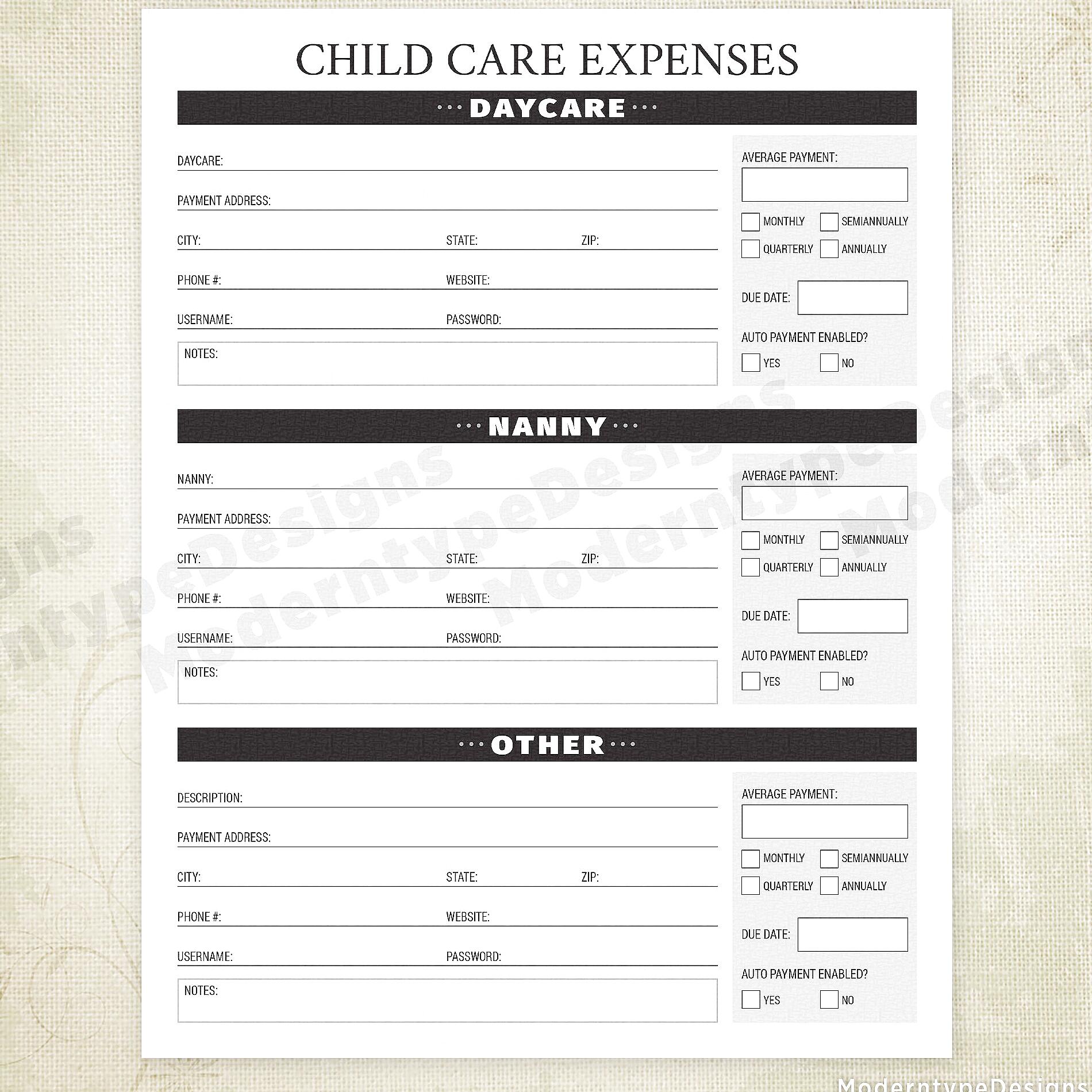
There are several forms of financial help:
A concrete example: a family uses an employer-issued stipend to pay for part-time licensed care during the week and supplements it with a sitter co-op for occasional evenings or weekends. This blend makes quality care accessible without overwhelming their budget.
When employers offer these types of financial support, it reduces the financial strain and offers genuine choice. Families are empowered to select care arrangements that match their work patterns, values, and children's needs. This support is a vital piece of the puzzle for many working parents seeking both affordability and flexibility.
Modern solutions don't stop at finances, they also include new ways of sharing and scheduling care. Let's see how hybrid and shared models are shaping the future.
Innovative childcare solutions like hybrid care models and shared-care networks offer adaptable options that align with irregular work schedules and foster community support. These models are trending because they directly address the needs of parents who work variable hours or lack traditional support systems .
For example, a parent might join a shared-care network among neighbors, coordinating with two other families to share school pickups and aftercare responsibilities throughout the week. This not only saves money but also builds a supportive local community.
The advantages of these modern models are:
However, shared-care requires strong communication and trust among participants. Hybrid models can involve more coordination, and not every family will find these options practical. Still, for many, these networks provide critical support where conventional options fall short. The National Institute for Child Health and Human Development highlights the significance of adaptable solutions that respond to families' real-world needs (Explore adaptable childcare benefits).
Before you choose, it's important to separate fact from fiction. Let's address a couple of common myths:
Flexible childcare reduces stress, supports unpredictable schedules, and improves work-life balance for parents. By offering more adaptable arrangements, these options allow parents to respond to changing work demands without sacrificing their children's care or their own well-being. Research highlights employer-backed backup care and flexible work arrangements as core stress-reduction strategies.
If you want to explore which flexible solutions fit your lifestyle best, try our self-assessment for personalized guidance.
Employers can offer backup care, childcare stipends, and facilitate shared-care networks to support parents. Backup care provides urgent coverage when regular care falls through, while stipends and lifestyle spending accounts help families afford a wider range of solutions.
If you're unsure which employer benefits would make the most difference for your family, consider using a self-assessment tool to clarify your needs and priorities.
Flexible childcare suits many but should be matched to family needs, schedules, and financial situations. Consider your work hours, your child's temperament, and the reliability of various models before choosing. Remember, research is still emerging on cost comparisons and long-term child outcomes, so your decision should focus on your current needs and resources.
To identify what works best for you, take advantage of self-assessment tools designed to highlight your family's priorities and challenges.
Flexible childcare options adapt to modern family schedules and reduce parental stress. When combined with flexible work arrangements, these solutions offer the strongest support for working parents. Financial and community-based models further expand your access to trustworthy, adaptable care that fits both your budget and your values.
If you came here feeling overwhelmed by rigid childcare or uncertain about your options, you're not alone. You deserve solutions that recognize your reality and help you thrive. To get started, identify the flexible childcare solutions that fit your family's needs with our self-assessment, it's private, educational, and designed to empower your decision making.
Want encouragement from people who've been there?
Connect with other working parents navigating childcare challenges in our supportive peer community.
Remember: you have choices. Flexible childcare is not just possible, it's within reach.
Learn how to host a sibling team building retreat at home with our step-by-step guide, schedules, and activity ideas to strengthen sibling bonds.
Discover how sibling team building games nurture empathy and communication skills for stronger family bonds. Learn effective sibling relationship strategies.
Use therapist-approved relationship check-in questions to strengthen communication and connection. Try a self-guided couples therapy check-in today.