
What Are the Best Lifestyle Changes to Sustainably Lower Cortisol?
Explore science-backed lifestyle changes to sustainably lower cortisol and reduce stress. Learn practical steps and connect with expert help.
- Published at
Discover 7 clear differences between anxiety vs stress to improve your mental health understanding and management effectively with CalmAtHome.
Amanda SmithIf you're often overwhelmed and unsure whether your feelings are normal stress or something more persistent like anxiety, you're not alone. Understanding anxiety vs stress is the first step in making sense of your experience and knowing when to seek support.
Stress and anxiety are related but distinct emotional states. They differ in what triggers them, how long they last, and how they affect your daily life.
Stress is typically your mind and body's response to external pressures, like work deadlines, family obligations, or financial worries. The key characteristic of stress is its link to a specific trigger. For example, a working parent might feel stressed in the days leading up to a big project deadline. Once the event passes, the feeling usually fades.
According to the American Psychological Association (APA), stress is a reaction to external demands that resolves after the trigger is gone.
Anxiety, on the other hand, is a prolonged internal emotional state. It can show up even when there's no immediate or obvious cause. Someone might experience persistent, underlying worry that doesn't go away even after their deadlines have passed. This might look like ongoing restlessness or a sense that something is wrong, without knowing exactly what.
The National Institute of Mental Health (NIMH) notes that anxiety becomes a diagnosable disorder when it is persistent and causes significant impairment, unlike the temporary nature of regular stress.
Recognizing whether you're experiencing stress or anxiety is a critical first step to understanding your mental health. Next, we'll look at how to spot the differences for yourself.
Seven specific criteria can help you distinguish anxiety from stress. Knowing these differences can validate your experience and provide clarity about what you're feeling.
For example, stress might keep you up at night the week before a presentation. But if you're still losing sleep weeks later with no upcoming event, it could be anxiety (APA).
A concrete example: someone feeling stressed gets a headache before a work meeting, but it resolves soon after. Someone with anxiety continues to feel tense and worried long after the meeting is over.
If you notice that worry or nervousness is keeping you from enjoying time with friends, or disrupting your work over weeks, anxiety could be at play.
These are just some of the seven key differences between anxiety and stress. Empower yourself to recognize your experience, validation is the foundation for support.
Understanding whether you're facing stress or anxiety isn't just academic, it can shape your mental health journey.
Misidentifying anxiety as mere stress can delay important treatment and support. For example, a young professional might ignore persistent symptoms, chalking them up to being "just stressed," only to find their work performance and personal relationships start to suffer over time.
The NIMH highlights that anxiety disorders involve persistent symptoms that impair daily life, unlike ordinary stress. Delaying support can lead to further impairment and distress.
Recognizing the differences between stress and anxiety not only helps reduce fear and stigma, but also supports better self-care. When you understand your own patterns, it's easier to communicate with health professionals and loved ones, seek resources, and take proactive steps.
Paying attention to your mental health is an act of self-respect, not weakness. With awareness comes the power to respond to your needs early.
While everyone feels stress or anxiety at times, certain signs suggest it's time to seek professional support.
After several weeks of persistent symptoms, or if you're experiencing significant distress or your ability to function is impaired, reaching out can help.
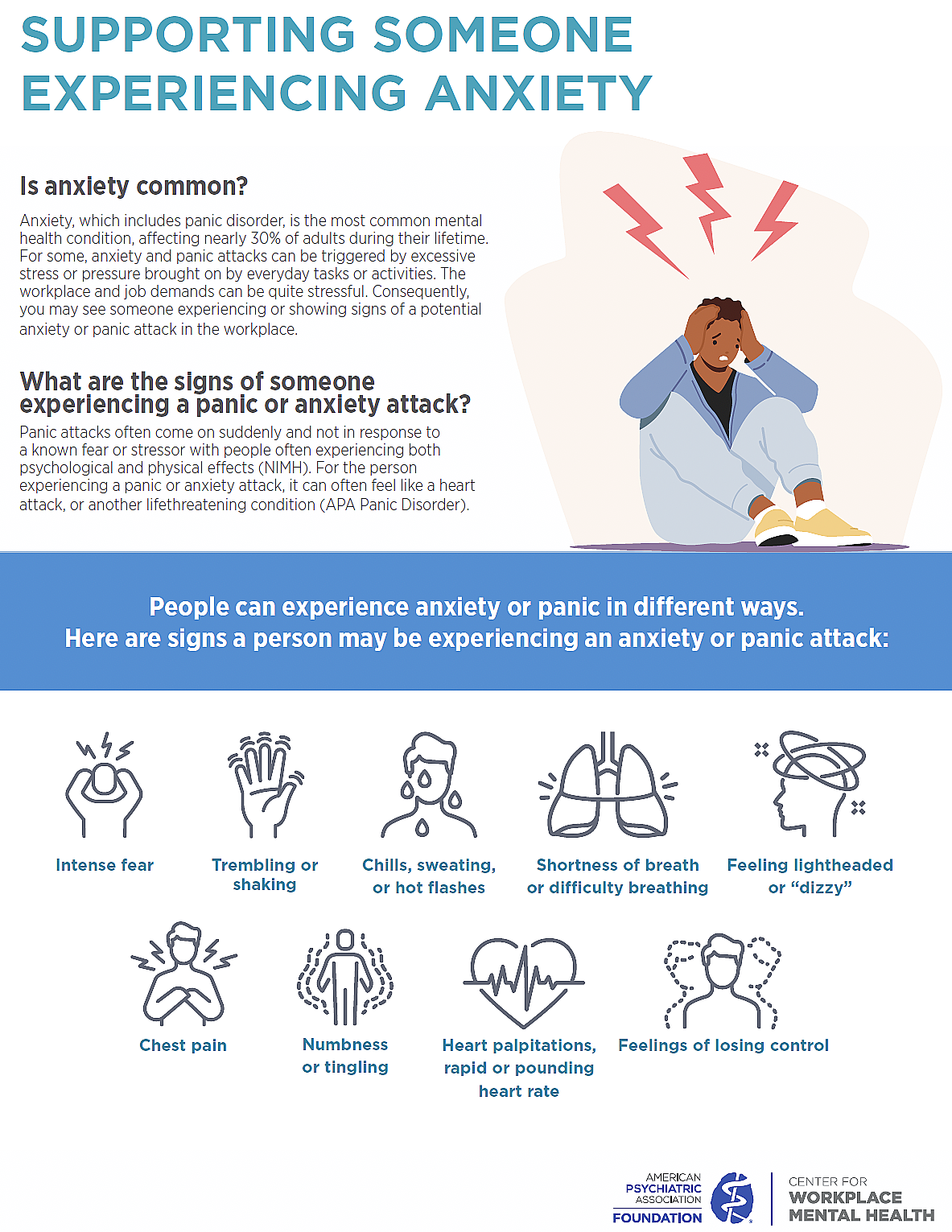
If your symptoms last for several weeks and are severe enough to interfere with your daily life, this is a strong sign professional help may be beneficial. This includes ongoing sleep issues, constant worry, or feeling on edge.
Persistent avoidance behaviors, like skipping social events or struggling to perform at work, are key red flags that it's more than just stress ([Perplexity research topic_analysis current_trends [1][3][5]]).
When anxiety or stress disrupts your ability to manage daily tasks, relationships, or work responsibilities, it's time to consider outside support. For instance, if you start avoiding friends because being around others feels overwhelming, or can't concentrate at work for weeks, it's not just about handling stress anymore.
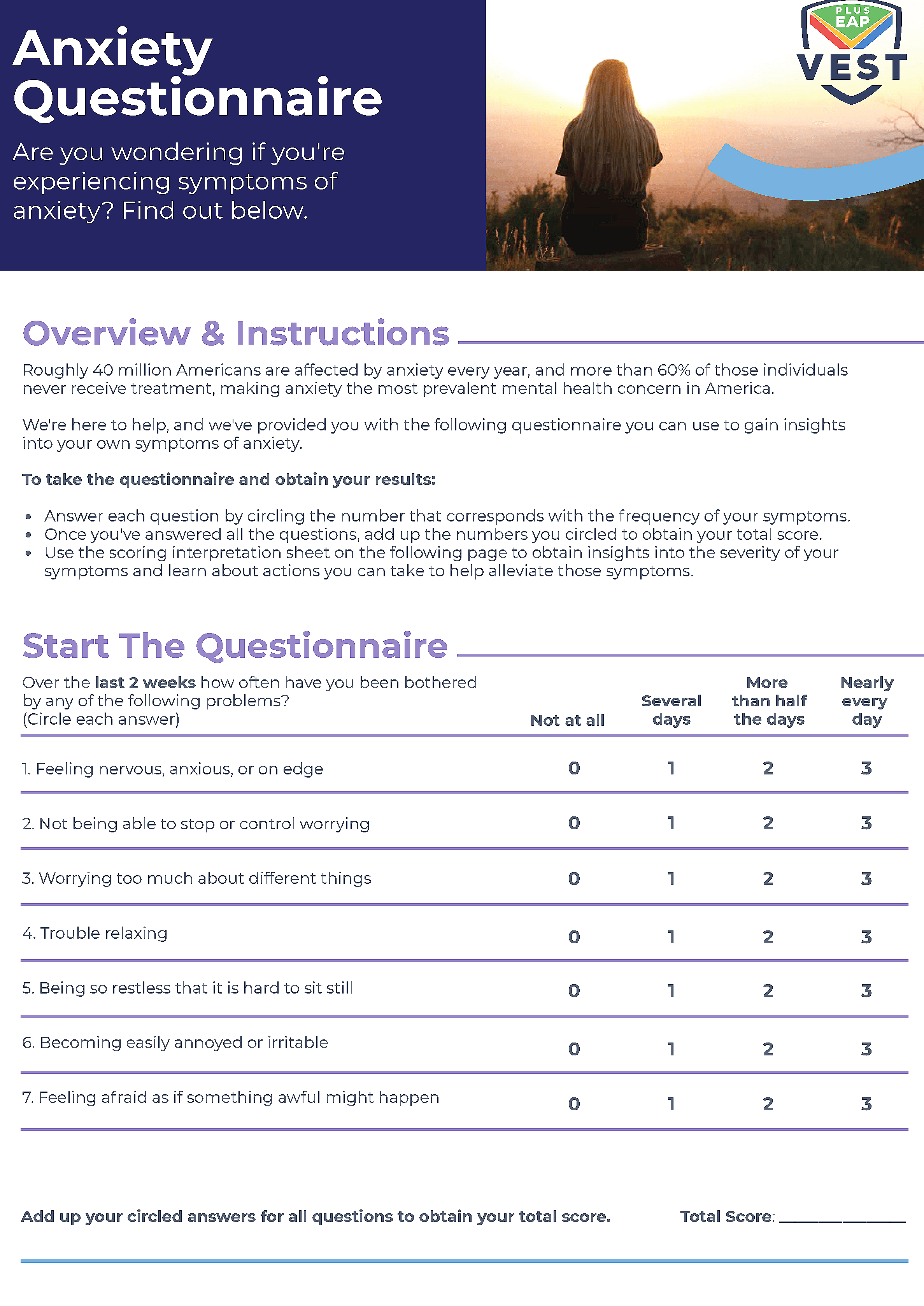
If you're unsure where your symptoms fall, you can Use CalmAtHome's self-assessment to evaluate your symptoms. This can help clarify whether your experience fits typical stress or suggests something more persistent.
Understanding your patterns is the gateway to change. CalmAtHome's free, private self-assessment tool was built to help you reflect on your symptoms, recognize patterns, and get educational insight, not a diagnosis.
Many users find that completing the assessment helps them notice connections: perhaps you see your worry lasts long after a trigger passes, or that physical symptoms like tension and restlessness are sticking around. This awareness is a valuable step towards making informed decisions about next steps.
The CalmAtHome assessment asks you about your symptoms, triggers, and how long you've been experiencing them. It covers both stress and anxiety-related questions to help you spot differences.
After completing the questions, you'll receive personalized educational feedback. The results aren't a diagnosis, but they can help you understand if what you're feeling is more in line with stress or anxiety. You'll also get suggestions for next steps, including when professional support might be helpful.
If you'd like to know where you stand, Take the CalmAtHome self-assessment now. It's private, free, and can help you move forward with more clarity.
Once you recognize whether you're dealing with stress or anxiety, what do you do next? Practical tools and a sense of community can make a real difference in your journey.
Sometimes, just knowing you're not alone can be the best support. Joining an anonymous peer community lets you share your experiences and hear from others who "get it." It helps reduce the isolation that often comes with both stress and anxiety.
Practical, everyday tools can help manage symptoms. For instance, using CalmAtHome's breathing timer before a social event can help reduce pre-anxiety jitters. The meditation timer gives you space to pause and reset when stress builds up mid-day.
If your symptoms are severe or ongoing, CalmAtHome can match you with a licensed online therapist. Professional support is available at your pace and comfort level.
Stress and anxiety are closely related but not the same. Stress is usually a temporary response to an external trigger, while anxiety is a persistent internal condition. However, chronic stress can increase your risk of developing anxiety symptoms if it goes unmanaged
If you're unsure about your experience, taking a self-assessment like the one offered by CalmAtHome can help you reflect on your symptoms and patterns.
Stress typically ends after the triggering event is resolved, like finishing a big project. Anxiety, in contrast, can last for weeks or even months without a clear trigger. This difference in duration is a key factor in distinguishing between the two.
If you notice your symptoms dragging on, especially after the trigger has passed, it's wise to monitor them closely and seek support if needed.
Anxiety often brings more intense and persistent physical symptoms, such as heart palpitations, dizziness, and ongoing restlessness. These symptoms tend to linger and aren't always tied to an obvious trigger.
Stress can cause physical symptoms like muscle tension and headaches, but these usually resolve once the stressful event is over.
If you want help managing physical symptoms, CalmAtHome offers wellness tools like a breathing timer and meditation timer that can bring some relief.
You should consider seeking help when symptoms last for several weeks, cause significant distress, or interfere with your daily activities. Red flags include avoidance behaviors, persistent sleep problems, and difficulty functioning at work or home, these are signals that it's more than just stress.
Refer to the section above on professional help, and don't hesitate to use CalmAtHome's therapist matching or complete a self-assessment to help you decide next steps.
Stress and anxiety are not the same. They differ in triggers, duration, symptoms, and the impact on your life. Recognizing these key differences helps you respond more effectively and lifts some of the uncertainty you may have carried until now.
If you arrived here feeling overwhelmed or confused, remember: understanding your experience is a sign of strength. If you're ready to get a clearer picture, Take the CalmAtHome self-assessment to explore your stress and anxiety symptoms. It's private, educational, and empowers you to make informed choices about your mental health.
Explore science-backed lifestyle changes to sustainably lower cortisol and reduce stress. Learn practical steps and connect with expert help.
Discover 10 science-backed mindfulness habits to reduce daily stress and anxiety with easy, beginner-friendly steps. Find calm and focus now.
Explore 7 natural anxiety remedies for sexual abuse trauma that offer holistic healing and hope. Learn safe, supportive methods and take a step toward calm.