
Why Sexual Abuse Causes Long-Term Anxiety and How to Heal
Explore why sexual abuse triggers persistent anxiety and learn impactful healing methods to regain peace of mind with expert guidance.
- Published at
Explore 7 natural anxiety remedies for sexual abuse trauma that offer holistic healing and hope. Learn safe, supportive methods and take a step toward calm.
Amanda SmithIf you're living with anxiety from sexual abuse trauma, you're not alone, and you deserve relief that feels safe. Many survivors want natural remedies to supplement, not replace, therapy. Here, you'll find seven holistic approaches to help ease anxiety, all grounded in trauma-informed care.
Anxiety linked to sexual abuse trauma is complex and persistent, often surfacing in unexpected ways. Trauma-informed care emphasizes safety and validation for survivors, recognizing that anxiety symptoms can be triggered by flashbacks or even subtle reminders .
Sexual abuse can leave lasting imprints on your nervous system. Anxiety might show up as racing thoughts, a pounding heart, or sudden panic, sometimes after a particular smell, sound, or crowded place triggers a memory. For example, a survivor walking through a busy urban street might feel overwhelmed because a particular scent or voice echoes a past trauma. Trauma-informed care provides survivors with compassionate support in these moments, helping them recognize and manage triggers as they arise .
Understanding these responses as normal, given what you've been through, can be the first step toward healing. Next, we'll explore how trauma-informed holistic care brings together different supports to help you feel safer in your daily life.
Integrating evidence-based trauma therapy with gentle holistic practices can promote both safety and validation for survivors. Trauma-informed holistic care blends therapies like CBT and EMDR with adjunct practices such as yoga, mindfulness, and creative arts. The key is that these natural approaches serve as companions to therapy, never replacements.
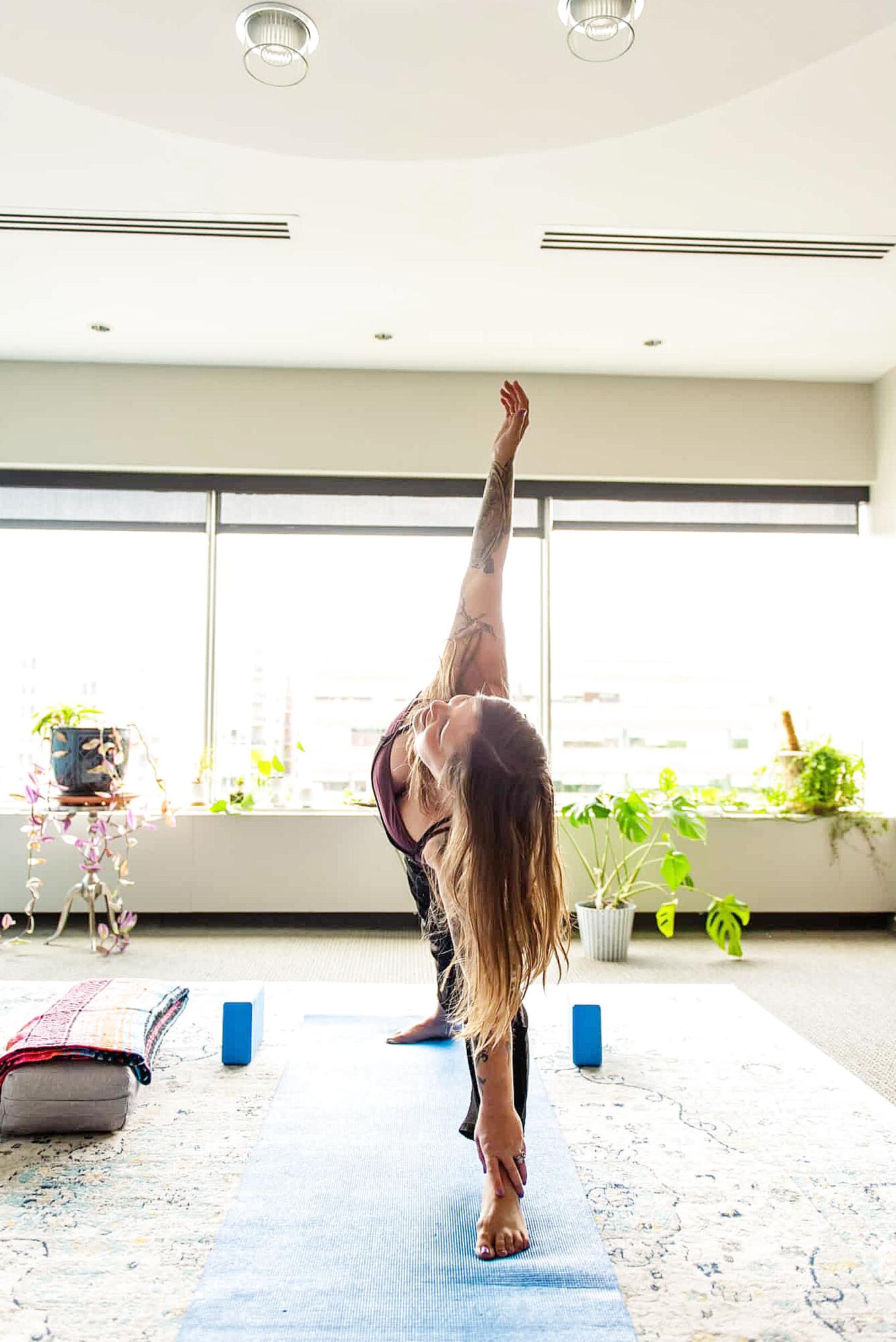
Trauma-informed care centers on understanding, recognizing, and responding to trauma's effects. Principles include:
For example, a survivor might use mindfulness meditation alongside trauma-focused CBT sessions, finding that the meditation helps ground them between appointments. This integrative approach is echoed in recommendations from the American Psychological Association, which supports holistic care that honors both clinical and natural supports.
Trauma-informed holistic care is about choice and compassion. Next, we'll look at specific grounding techniques you can use right now.
Simple grounding tools like the 5-4-3-2-1 technique and breathwork can help survivors quickly soothe panic and flashbacks, right where anxiety hits. These portable techniques give you immediate relief, especially when environments or moments feel unsafe
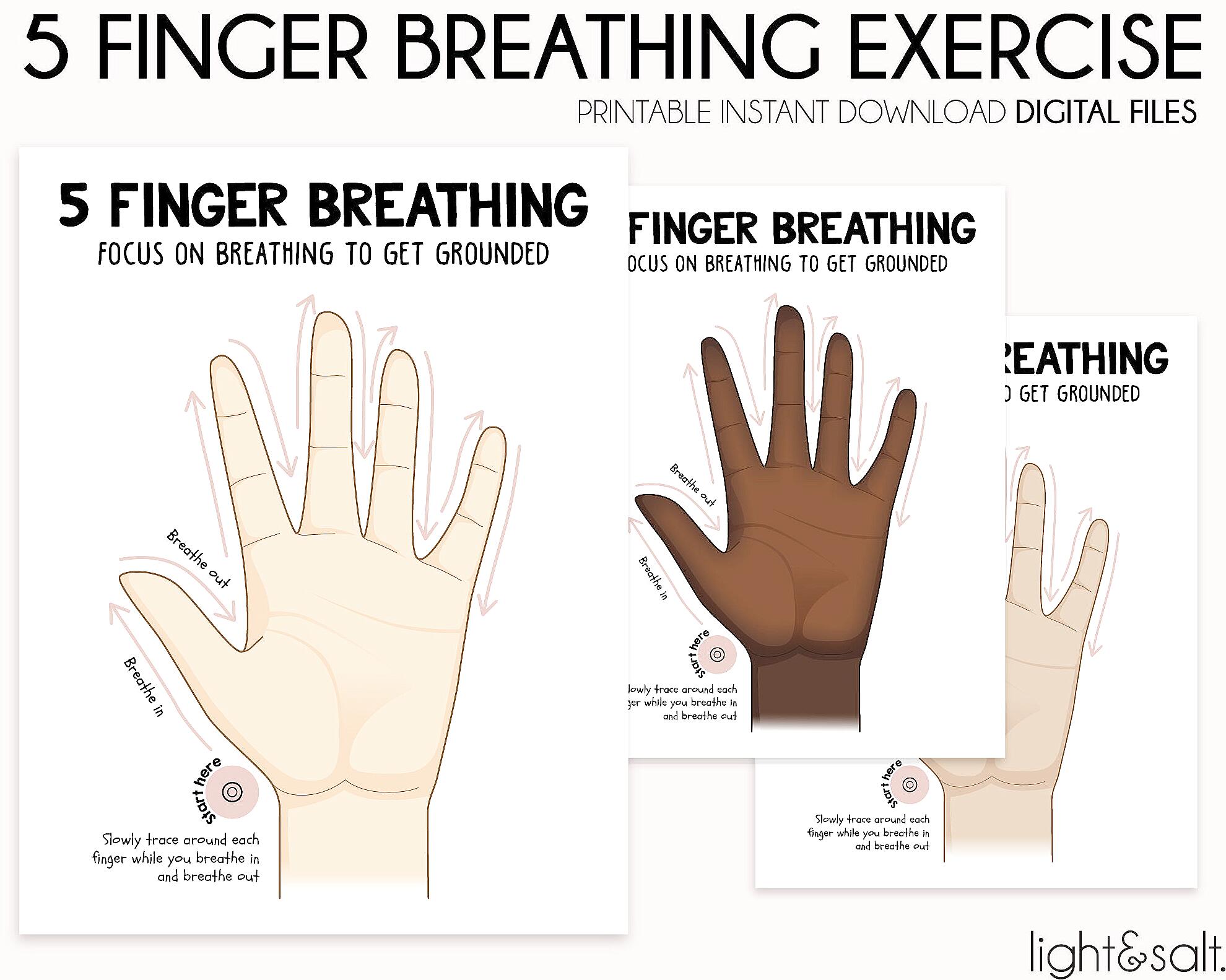
The 5-4-3-2-1 method guides your focus through your senses:
Imagine a working parent with anxiety at the office, quietly naming these sensory details can anchor you to the present, easing the storm of flashbacks or panic.
Breathwork is another portable tool. Try this: inhale gently for a count of four, hold for four, exhale for six. Repeat for one minute. This slows your system and signals safety to your body.
Private, educational wellness tools, like guided breathing timers, can help you structure these exercises safely and discreetly. They're especially helpful when you need calm on demand.
Yoga, tai chi, and trauma-sensitive movement are research-supported ways for sexual trauma survivors to regulate their nervous system and complement PTSD treatment. According to Dr. Jane Smith, Clinical Psychologist specializing in Trauma, "Holistic practices like trauma-sensitive yoga can regulate the nervous system and complement traditional treatments for sexual trauma survivors."
Trauma-sensitive yoga avoids physical touch and focuses on making choices, which can help survivors feel a greater sense of control. Practicing yoga in a quiet space, such as before bedtime, can gently lower anxiety, soothe muscle tension, and promote rest. For example, a survivor might stretch on a mat and focus on slow, mindful movement to reduce evening anxiety before sleep.
Gentle movement forms like tai chi and qigong are slow-paced and meditative, making them accessible to most people. These practices can help you reconnect with your body in a non-judgmental way, offering moments of calm and clarity.
Mind-body practices can act as bridges between body and mind, especially when tension or distress feels overwhelming. Up next: ways to express and heal through creativity and nature.
Art, music, and drama therapy, plus time in nature, offer nonverbal ways to reduce anxiety and support healing, especially when talking feels impossible. According to research, these creative and nature-based therapies can foster emotional expression and calm.
Painting, drawing, playing music, or even listening to soothing sounds can help you process feelings without words. For example, a survivor might join a community art therapy group, using colors and forms to work through difficult emotions when speaking about the trauma feels too intense.
Spending time in green spaces or with animals can lower anxiety and foster a sense of connection. Even a short walk in a local park or sketching on a park bench can be a powerful step toward healing. These experiences support the nervous system and let you "just be", no need to explain anything.
Next, we'll talk about herbal remedies, what works, what doesn't, and what to know before trying them.
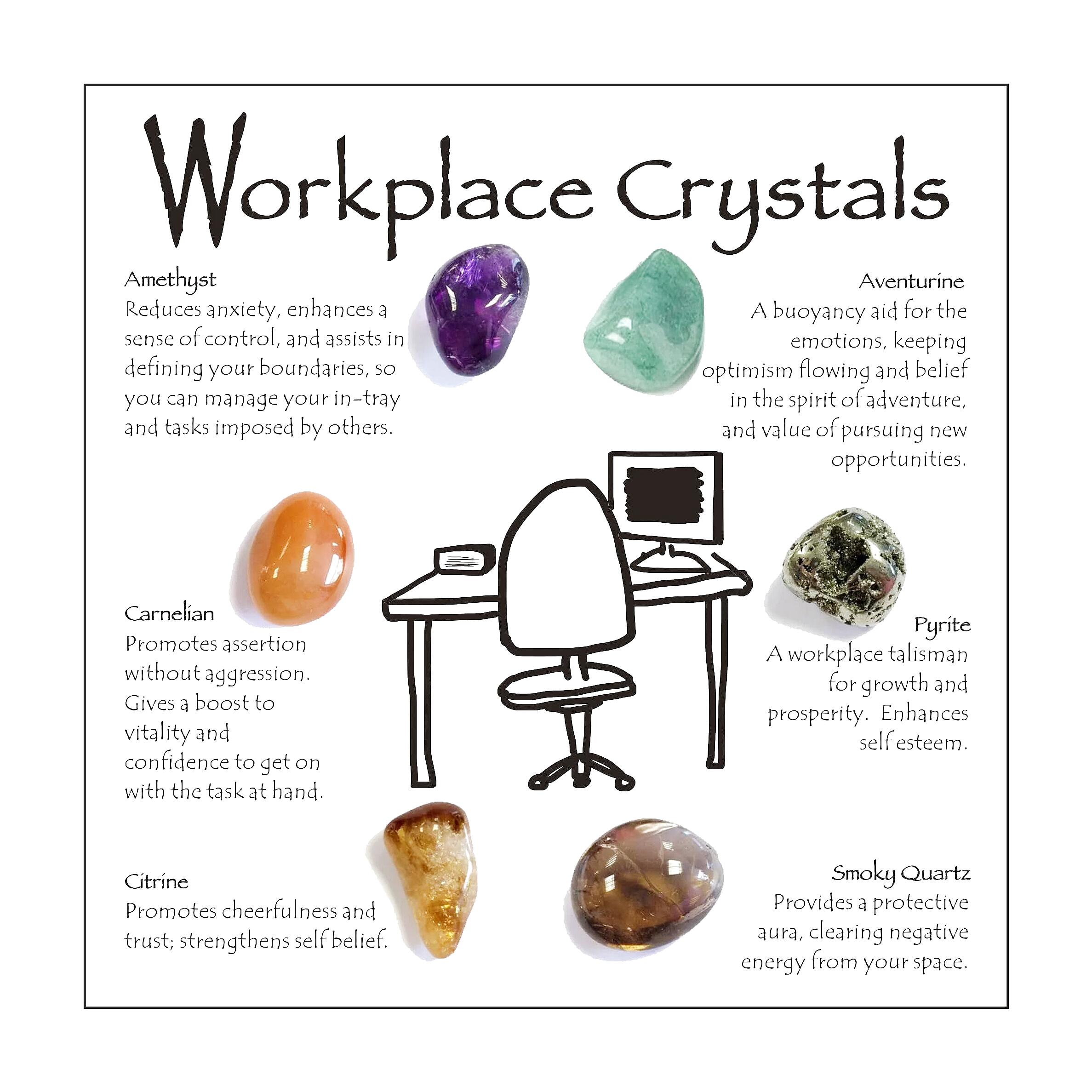
Certain herbs, like chamomile and lavender, have calming properties and can help ease general anxiety, but they're not a substitute for trauma-focused therapy . It's essential to use them thoughtfully and consult a medical professional.
Chamomile, lavender, passionflower, and valerian are common herbs used to support relaxation. For instance, a survivor might make chamomile tea part of their evening routine, signaling to their body that it's time to unwind. Remember, these herbs may help with general anxiety but are not designed to address trauma at its roots.
Always consult a healthcare provider before starting any supplement, especially if you take other medications. Some herbal remedies can interact with prescriptions or have side effects. While they may support a calming bedtime ritual, they should never replace professional therapy or crisis care.
Now, let's see how these approaches fit together into a holistic plan that's uniquely yours.
Combining natural remedies thoughtfully, alongside professional support, helps survivors create a safe and individualized path to anxiety relief. A holistic plan might integrate grounding exercises, mind-body practices, creative expression, and mindful herbal use, all tailored to your needs.
Start by noticing when anxiety is strongest. Is it in crowds, at night, or after certain reminders? Understanding your personal triggers can help you select remedies that match your patterns.
Combine daily grounding with weekly yoga, creative time, or occasional herbal tea, but always check in with a professional. For example, one survivor balances a morning breathing routine, yoga twice a week, and painting on weekends, all while staying connected to their therapist. This approach maximizes benefits and keeps safety at the center.
When these tools work together, they help you reclaim a sense of calm and control. Still, the most effective plans always include professional guidance, which brings us to the next step.
Professional trauma therapy is crucial for survivors and works best when combined with natural remedies CalmAtHome connects you with licensed, trauma-informed therapists who understand your history and honor your preferences, making it easier to build a holistic healing plan.

Finding the right therapist, someone experienced in trauma care, can make a world of difference. They'll help you safely integrate natural remedies, monitor your progress, and adjust strategies as your needs change. For example, a survivor might use CalmAtHome to find a therapist who supports their holistic approach and works collaboratively to manage anxiety and build resilience.
If you're ready, CalmAtHome's therapist matching gives you a private, supportive way to connect with someone who truly understands trauma healing. Your journey can start on your terms, with as much or as little commitment as you need.
Natural remedies are valuable supports, but they do not replace evidence-based trauma therapy. While holistic practices like grounding, yoga, or herbal teas can relieve some symptoms, trauma-focused therapy addresses the root causes and supports long-term healing . Herbal remedies, especially, should never be used as a substitute for crisis intervention or professional care. If you're considering natural methods, always seek support from a licensed therapist to ensure you're receiving comprehensive, safe care.
Grounding tools, such as the 5-4-3-2-1 sensory exercise and breathwork, are among the safest ways to calm anxiety symptoms during flashbacks These techniques focus your attention on the present through your senses or your breath, offering a reliable anchor in overwhelming moments. Guided breathing timers, like those from CalmAtHome, can help you structure breathwork at home or on the go.
Herbal supplements can help with general anxiety symptoms, but always talk to a healthcare provider before starting any new supplement . Common herbs include chamomile and lavender, but interactions and side effects are possible. Remember that herbs are not a replacement for therapy, and professional guidance ensures your safety.
Creative and nature-based therapies allow for nonverbal expression, which can be crucial when talking is difficult. Art, music, drama, and nature activities help regulate emotions, lower anxiety, and can supplement professional healing. Consider exploring local or online creative therapy groups to find the right fit for you.
Natural remedies, like grounding exercises, mind-body practices, and creative therapies, can make a real difference in easing anxiety linked to sexual abuse trauma. Herbal treatments may offer gentle support but never replace the depth and safety of trauma-focused therapy or crisis care. Seeking licensed therapist support through CalmAtHome can make your healing journey safer and more effective.
If you felt overwhelmed or unsure before reading, know that you aren't alone. You deserve care that works for your real life and honors your story. If you're ready for the next step, you can connect with a licensed trauma-informed therapist on CalmAtHome for expert, compassionate support tailored to your needs.
Or, if you're not ready for a big commitment, try CalmAtHome's breathing timer to practice grounding anytime you need a moment of calm.
Your path to healing isn't linear, but every step, no matter how small, is yours to take.
If you are in crisis, call or text 988 (US Suicide & Crisis Lifeline) for immediate support.
Explore why sexual abuse triggers persistent anxiety and learn impactful healing methods to regain peace of mind with expert guidance.
Explore the top 5 apps for online OCD and stress relief in 2026 with expert insights and features to help you manage symptoms effectively.
Learn when to seek help for online OCD with expert signs and anxiety support online. Take action early for better outcomes with professional OCD treatment.