
Why Sexual Abuse Causes Long-Term Anxiety and How to Heal
Explore why sexual abuse triggers persistent anxiety and learn impactful healing methods to regain peace of mind with expert guidance.
- Published at
Discover 10 science-backed mindfulness habits to reduce daily stress and anxiety with easy, beginner-friendly steps. Find calm and focus now.
Amanda SmithIf you're juggling work, family, and endless notifications, it's easy to feel daily stress creeping in. Maybe you've heard mindfulness helps, but starting feels intimidating when your plate's already full. Here's good news: science-backed mindfulness habits for stress can fit seamlessly into your routine, no experience required.
Mindfulness habits are powerful for stress relief because they interrupt automatic stress reactions and anchor your mind in the present. Instead of spiraling with anxious thoughts, you gain space to respond with calm. Even two to five minute practices can lower stress and fit into your busiest days.

Picture a working parent, overwhelmed before dinner, pausing for three slow breaths at the kitchen counter. This tiny habit helps reset their focus and brings a little more calm to the evening. Mindfulness isn't about silence on a mountaintop, it's about small pauses, right where you are.
Short mindfulness practices, like mindful breathing, quick gratitude notes, or a two-minute body scan, work because they lower the barrier to starting. You don't need 30 minutes, special cushions, or a quiet room. Instead, you can use these moments when you need them most, right in the middle of daily chaos. Science increasingly supports mindfulness for anxiety management and daily stress reduction, making it a practical tool for anyone feeling overwhelmed.
Mindful breathing is a simple, effective way to calm your nervous system. By focusing on your breath, you activate the parasympathetic response, reducing anxiety and creating an immediate anchor during stressful moments. This habit can be practiced anywhere in just two to five minutes, no special skills required.
Imagine feeling anxious before a big meeting. Instead of letting nerves take over, you set a three-minute timer, close your eyes, and focus on slow, steady inhales and exhales. You step into the meeting clearer, calmer, and more present.
If you want a gentle guide, you can Access a guided breathing timer to practice mindful breathing. This tool helps you stay on track and makes it easy to implement the habit anytime you need a quick reset.
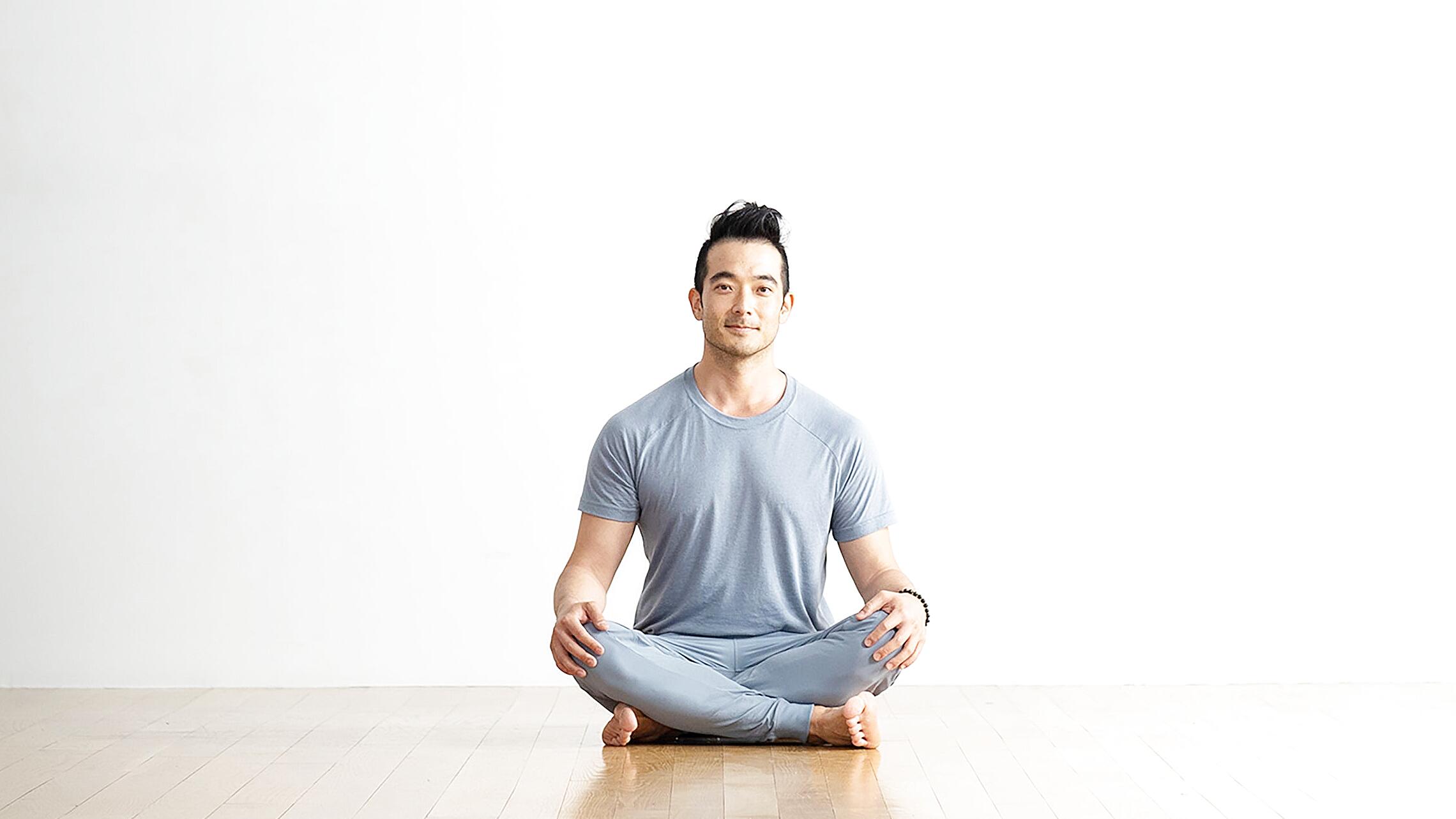
Body scan meditation increases awareness of where you hold physical stress, helping you gradually release it. By guiding your attention from head to toe, you learn to spot and soothe tense areas. Body scans can be done seated or lying down, making them accessible no matter your energy level.

For example, if you notice your shoulders are tight after work, a short body scan may help you consciously relax those muscles before evening activities.
Body scans work best when practiced regularly, even if just for a few minutes at the end of your day.
Daily gratitude journaling rewires your attention toward positive experiences, which can reduce anxiety and elevate your mood. This science-backed habit fosters emotional resilience and only takes a few minutes a day.
A busy parent might jot down three things they're grateful for each morning, from hot coffee to a spontaneous hug from their child. This simple act sets a positive tone for the day and gently redirects attention away from stressors.

Mindful walking blends gentle movement with focused awareness, offering stress relief and mental clarity. You don't need to change clothes or block out 30 minutes, a mindful walk can fit into a five-minute break.
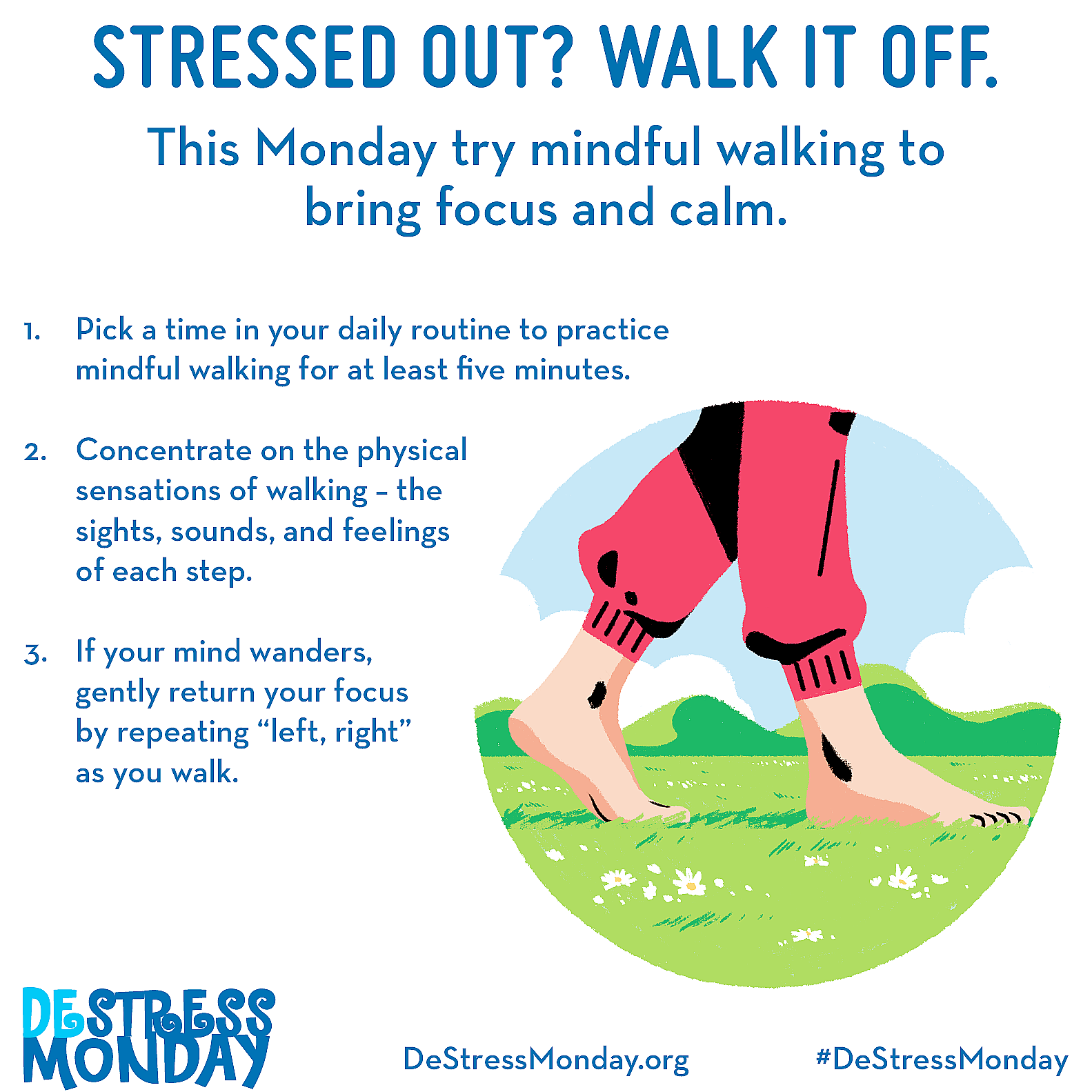
For example, an office worker might step outside for a mindful five-minute walk during lunch, noticing each footstep, breath, and the feel of the air. Returning to work, they often feel recharged and more focused.
Setting daily intentions gives your mind clear focus, reducing rumination and guiding your actions purposefully. This practice, often taking less than five minutes in the morning, supports emotional regulation and motivation throughout the day.
A reader might set the intention, "Today, I will respond calmly to challenges," before they open their laptop. This simple act helps them steer reactions and stay grounded.

Brief mindful pauses, sprinkled throughout your day, help prevent the build-up of stress and sharpen concentration. These short, intentional breaks can be integrated into even the busiest routines, like during a commute, between meetings, or waiting in line.
A commuter might take a mindful pause on the train: closing their eyes, tuning into the hum of the carriage, and feeling their breath. These tiny resets add up, helping manage stress before it accumulates.
You can practice mindful pauses almost anywhere, no extra time required.
Progressive muscle relaxation (PMR) involves tensing and then releasing muscle groups to ease physical tension linked to stress. PMR can be practiced while seated or lying down, and most people find it effective within 5-10 minutes.
Someone experiencing neck and shoulder tightness at bedtime might use PMR to unwind, releasing tension for better sleep and lower stress.
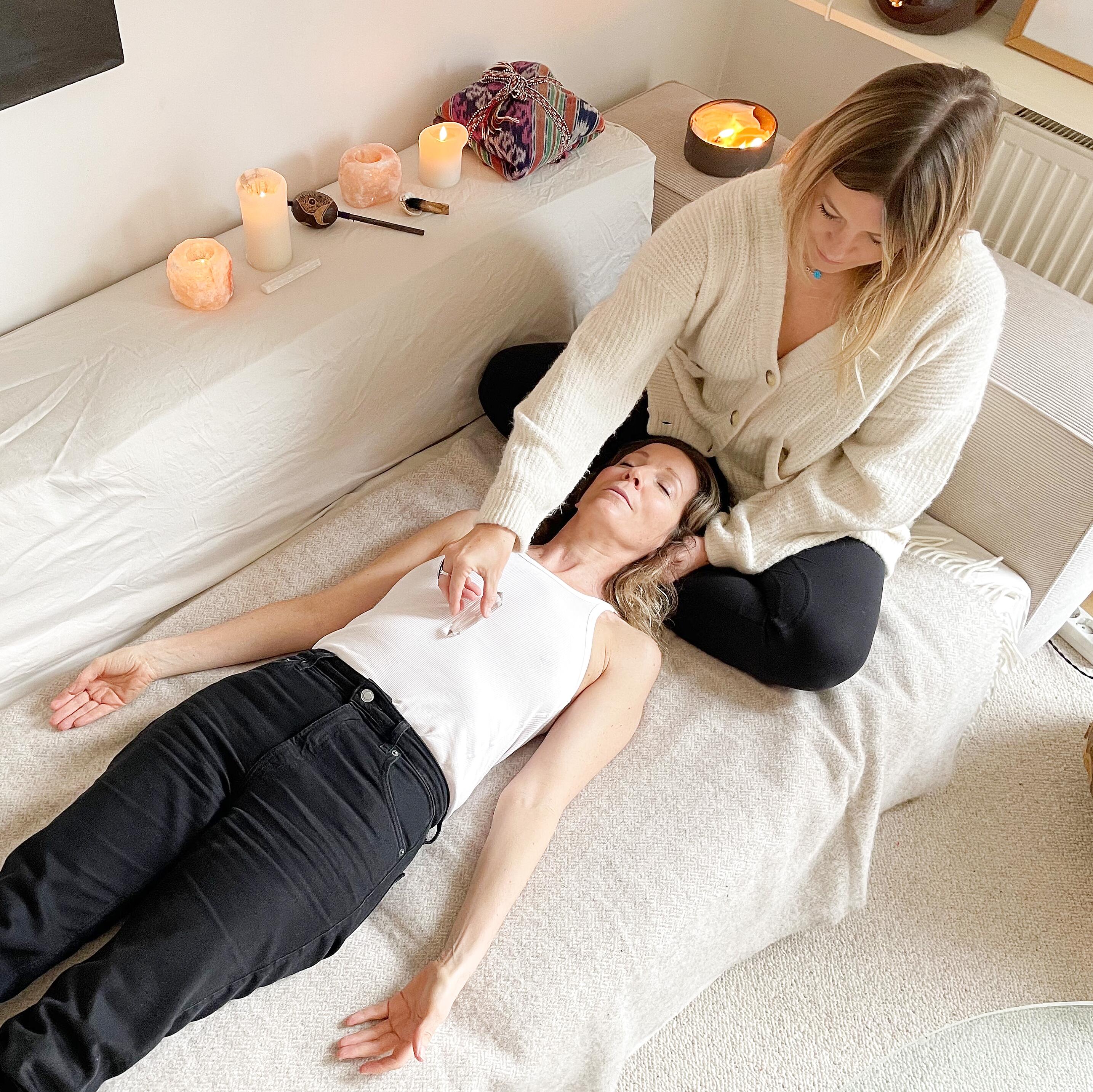
Guided visualization asks you to imagine peaceful scenes or positive outcomes, helping shift attention away from stressors and activate relaxation pathways in the brain. Even five minutes can make a difference.
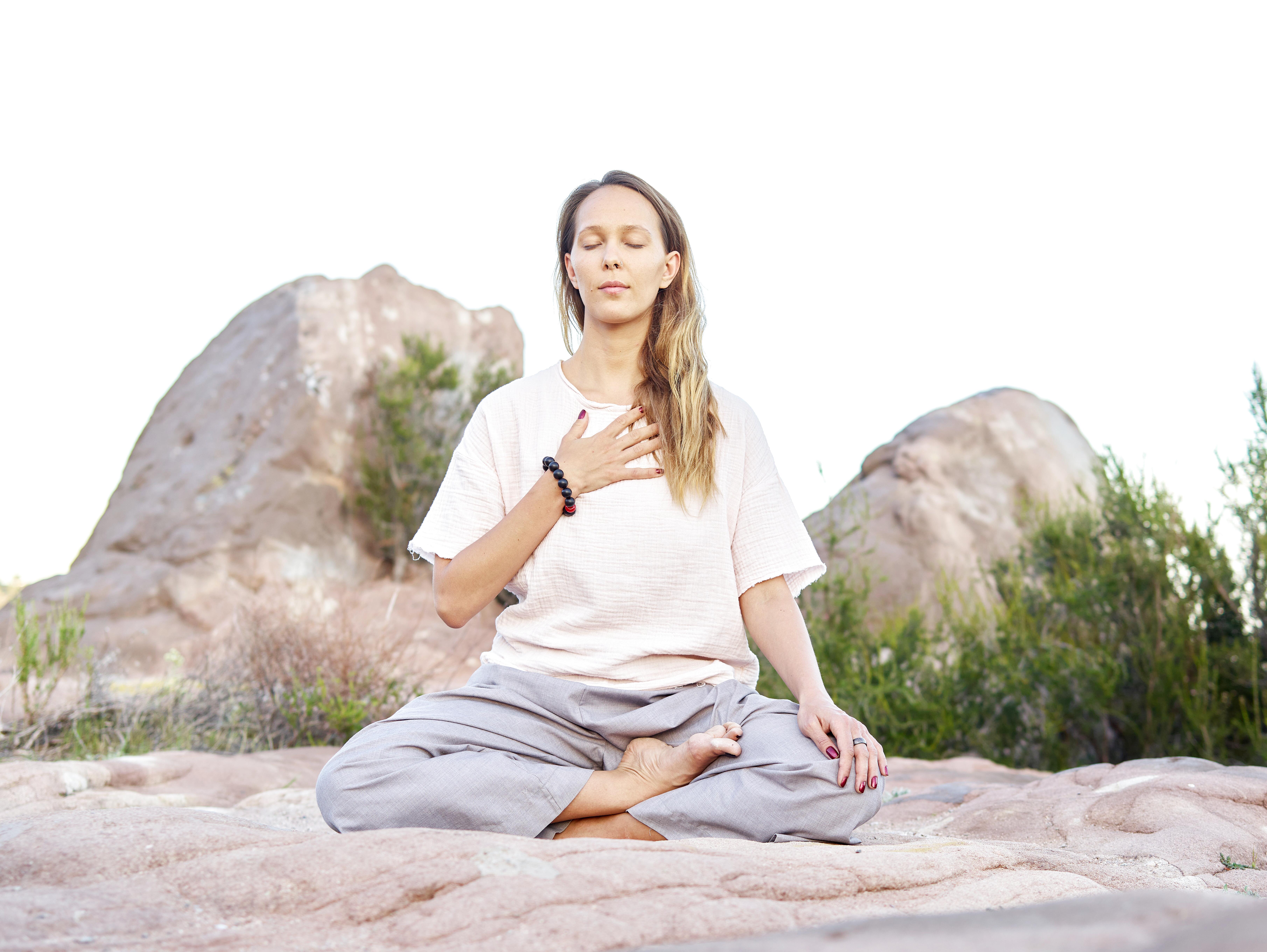
For instance, during a stressful work call, you might close your eyes and picture a calm beach, waves rolling in, sun on your skin, the sound of seagulls. This mental mini-vacation can quickly steady your nerves and improve mood.
Visualization is especially useful when you can't physically escape stressors but need a quick mental reset.
Mindful eating involves paying close attention to the flavors, textures, and sensations of your food, which can interrupt automatic stress-eating habits and foster a healthier relationship with meals. This practice encourages you to savor each bite and slow down, improving digestion and gratitude for your food.
A stressed individual might notice the urge to snack while working. By pausing and taking mindful bites during a meal, they become more aware of their hunger and satisfaction cues, reducing stress-eating patterns.

Starting your day with a short, consistent mindfulness routine can anchor your mind and body in calm, setting a resilient tone before stressors arise. Just five to ten minutes is enough, you can combine any of the habits above to create a morning ritual that works for you.
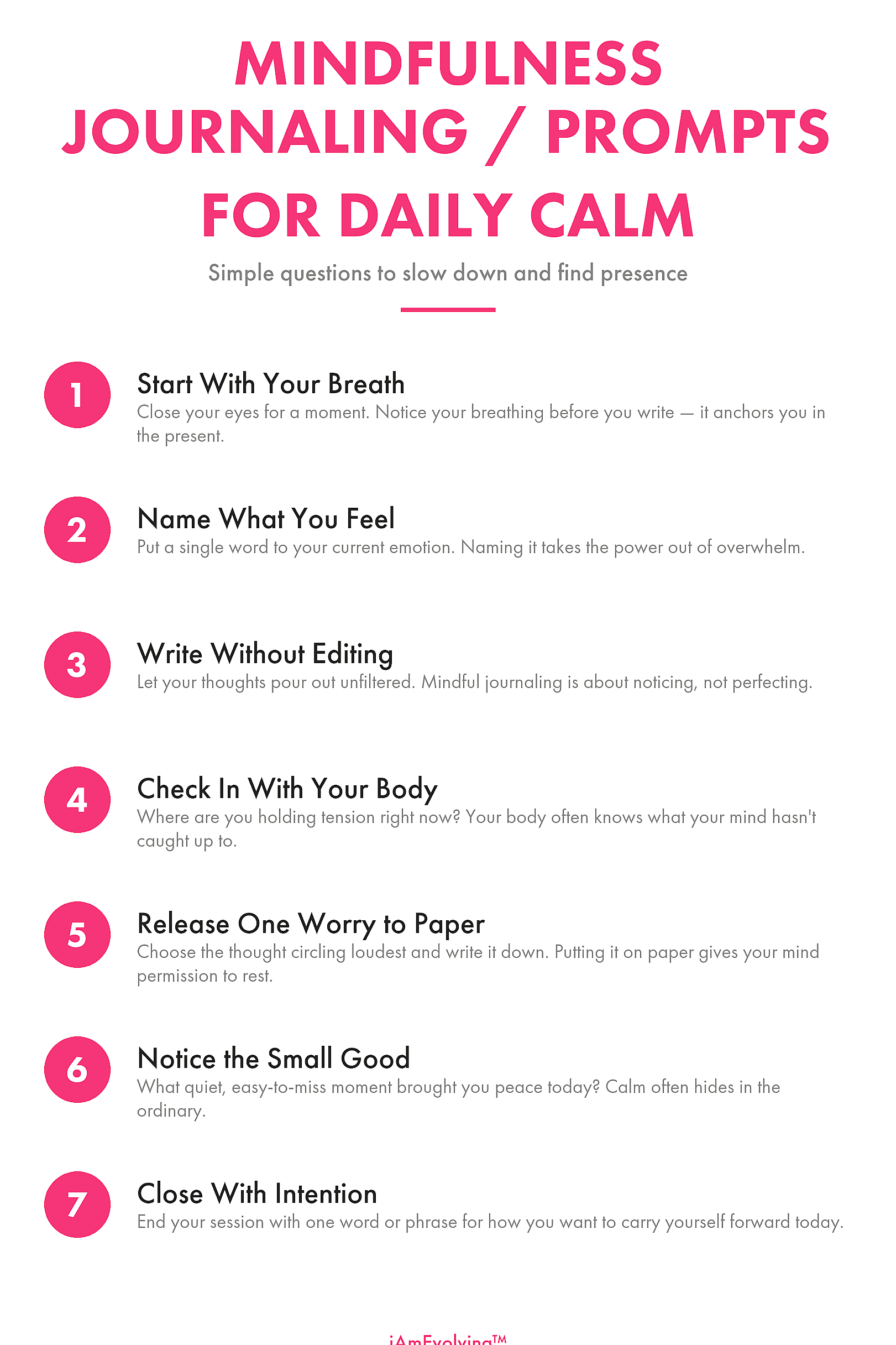
For example, a reader builds a ten-minute morning routine: three minutes of mindful breathing, followed by a few lines in their gratitude journal. They notice more focus and less reactivity as the day unfolds.
If you're looking for guidance or want to personalize your mindfulness routine, connecting with a licensed therapist can make a significant difference. A therapist can help you identify which habits fit your unique needs and how to adapt them as life changes.
Ready to take the next step? Find and connect with licensed therapists for personalized support and get expert advice tailored to your schedule and stress profile.
Many mindfulness habits can have an immediate calming effect, sometimes within minutes. Practices like mindful breathing or pausing can quickly lower tension and help you feel more centered. For lasting stress reduction, consistent practice over several weeks brings cumulative benefits, such as better emotional regulation and resilience. Start with short daily habits, notice how you feel after each, and track your progress over time for the best results.
You don't need any prior experience to benefit from mindfulness. Beginner-friendly habits like mindful breathing and quick mindful pauses are simple, low-barrier ways to get started. If you're concerned about certain practices feeling uncomfortable, look for trauma-sensitive approaches that prioritize your comfort. CalmAtHome's guided wellness tools make it even easier to try new habits with gentle prompts and structure.
Mindfulness habits are helpful for managing anxiety and building resilience, but they do not replace professional therapy when you need deeper support. Think of mindfulness as a complement to therapy, not a substitute. If you're unsure where to start or want more individualized guidance, consider using CalmAtHome's therapist matching to find someone who can support your unique journey.
Science-backed mindfulness habits are easy, practical ways to reduce daily stress and anxiety. You don't have to carve out hours, short, consistent practices fit right into your busy routine and help build resilience over time. And if you need extra support, reaching out for help is a positive, empowering step for your mental well-being.
With each mindful habit, you regain a bit more calm and control, one moment at a time.
Explore why sexual abuse triggers persistent anxiety and learn impactful healing methods to regain peace of mind with expert guidance.
Explore the top 5 apps for online OCD and stress relief in 2026 with expert insights and features to help you manage symptoms effectively.
Learn when to seek help for online OCD with expert signs and anxiety support online. Take action early for better outcomes with professional OCD treatment.