
Why Sexual Abuse Causes Long-Term Anxiety and How to Heal
Explore why sexual abuse triggers persistent anxiety and learn impactful healing methods to regain peace of mind with expert guidance.
- Published at
Discover 5 proven anxiety therapies for sexual abuse survivors. Regain control, find hope, and explore empowering steps and support today.
Amanda SmithImagine waking each day with a knot in your stomach. Maybe your heart races unexpectedly, or everyday moments trigger a wave of dread you can’t explain. After sexual trauma, anxiety can feel like an invisible cage—trapping you in cycles of fear and self-doubt, even around the people or places that should feel safe. It’s exhausting. You might wonder, “Will therapy help me, or just make it worse?” Or perhaps you've tried to reach out only to feel misunderstood, as if no one truly gets what you’re going through.
Here’s the truth: You are not alone. So many survivors share these struggles, fearing that seeking support might dig up old wounds or leave them feeling even more exposed. The journey through anxiety after sexual abuse is deeply personal and often confusing, but learning about your therapy options is one of the bravest and most empowering steps you can take. Clarity is healing in itself.
This article will walk you through five effective, evidence-based therapies for sexual abuse survivors dealing with anxiety. You’ll discover what each approach offers, how to recognize your own patterns, and concrete ways to take the next step—at your pace. There’s also a private self-assessment to help you better understand your experience and community support so you’re never facing this alone.
Medical Safety Note: This article is for education and validation. It does not diagnose or replace medical advice.
Anxiety is a common response for sexual abuse survivors, but that doesn’t mean it’s easy to talk about—or even recognize. The symptoms might sneak up in the form of panic, insomnia, or even just a vague sense that something is ‘not right.’ Many survivors find themselves caught in a web of fear and shame, worried that speaking up or seeking therapy will only amplify their pain.
But here’s the catch: The very nature of trauma teaches you to doubt your own experiences. It’s not uncommon to wonder if you’re “overreacting” or if therapy might force you to relive memories you’d rather forget. These are normal, protective instincts, yet they can keep you stuck.
Understanding your therapy options—whether you’re exploring trauma-focused CBT, EMDR, somatic therapies, or others—puts the power back in your hands. Knowledge isn’t just comforting, it’s empowering. By learning how these five anxiety therapies for sexual abuse survivors work, you can make informed choices that respect your boundaries and honor your healing pace.
If you’re unsure where to start, a private self-assessment can help you notice patterns, and connecting with a community of survivors is a proven way to fight isolation. This guide is designed to give you actionable information, not empty reassurances. We’ll dig into evidence-based options, real-world examples, and practical tools. Healing begins with understanding—and you deserve both.
Pro Tip: If you want to learn more about the psychology of trauma anxiety, including what happens in the brain and why certain therapies work, learn more about the psychology of trauma anxiety from the National Institute of Mental Health.
If you’ve been struggling with anxiety after sexual trauma, you might feel like your mind is playing tricks on you. One minute you’re fine, the next you’re overwhelmed by dread, guilt, or a racing heart you can’t explain. Before we dive into clinical explanations, let’s validate what it’s really like from the inside.
“I feel anxious but don’t know why or how to stop it.” Sometimes, anxiety sets in without a clear trigger. You might find yourself tense during a casual conversation or startled by everyday sounds. This unpredictability can make you question your own sanity, but it’s a normal reaction when your nervous system is on high alert after trauma.
“I worry I’m overreacting or being too sensitive.” Many survivors doubt the intensity of their emotions or believe they ‘should’ be able to move on. This self-doubt isn’t a personal flaw—it’s often the result of internalized messages from abusers or unsupportive people who minimized your pain.
“I wish I could feel safe again but don’t know how.” The longing for safety is universal. You might crave comfort but struggle to trust others, or even yourself. This tug-of-war between wanting connection and fearing vulnerability is common among sexual abuse survivors.
Expert Insight: “Survivors often second-guess themselves as a way to manage overwhelming feelings. Recognizing this as a coping strategy—not a character flaw—is a crucial step toward self-compassion.”
Survivors frequently minimize or dismiss their own suffering. This isn’t because the pain is less real—it’s a survival tactic. If you grew up hearing “it wasn’t that bad” or “just get over it,” you may have learned to downplay your emotions as a way to fit in or avoid conflict.
Stress and invalidation can scramble your sense of reality. When loved ones, authority figures, or even therapists fail to acknowledge your experience, anxiety can morph into self-doubt and confusion. You might start to wonder if you’re “making things up.”
Understanding this mechanism is liberating. It’s not your fault, and you’re certainly not alone. By seeing these patterns for what they are—survival skills developed in tough circumstances—you can begin to make peace with your emotions and, eventually, choose new ways of coping.
Pull Quote:
“You are not ‘too sensitive.’ Your feelings are a valid response to what you’ve survived.”
Let’s break down what’s actually happening, in language that makes sense. Anxiety after sexual abuse isn’t just “in your head.” It’s a whole-body response rooted in how trauma reshapes the brain and nervous system.
When you experience sexual trauma, your body’s threat-response system is rewired. Anxiety shows up as intense fear, restless energy, or constant vigilance—even when you’re safe. You may have:
These are normal, human reactions to abnormal experiences. Therapy can’t erase the past, but it’s proven to help retrain your brain’s threat system, so you can feel safe again in your own skin.
Trauma disrupts the networks in your brain that regulate emotion, memory, and safety. Imagine a smoke alarm that won’t turn off—even with no fire. That’s your nervous system after trauma: always on high alert. This chronic stress can:
Therapies for sexual trauma anxiety work by helping you process traumatic memories, challenge negative self-talk, and rebuild a sense of safety—internally and with others.
Real-World Example: Jenna, a survivor in her late 20s, spent years believing her panic attacks meant she was “broken.” After learning about trauma-focused CBT, she realized her body wasn’t betraying her—it was trying to keep her safe. This shift allowed her to approach therapy with curiosity instead of shame.
Want a deeper dive into the science? The American Psychological Association’s resource on trauma offers clear explanations and up-to-date research.
Recognizing anxiety patterns doesn’t require a diagnosis. The checklist below can help you notice if these emotional, behavioral, or relationship signs resonate with you.
If you see yourself in these signs, you’re not alone. These are common for survivors navigating anxiety and self-doubt after trauma.

Expert Insight:
“Self-recognition is powerful. Even small moments of awareness can open the door to meaningful change.”
Sometimes, anxiety feels like a tangled ball of yarn—vague, confusing, and hard to unravel. A self-assessment offers structure and clarity, giving you a private, judgment-free space to reflect.
Trust Note: Your responses are private and secure. The goal is insight, not judgment.
Ready to take the next step? If you want a tailored experience, you can take the free self-assessment to discover your personal pattern and possible support options. It’s quick, confidential, and could be the breakthrough moment that points you toward healing.
Pro Tip: Self-assessment works best when you answer honestly—there are no right or wrong responses, only what’s true for you in this moment.
Isolation is a silent partner to anxiety, especially after sexual trauma. But you don’t have to shoulder this burden by yourself. Community and professional support can bridge the gap between feeling stuck and finding hope.
Real-World Scenario: After posting anonymously in a survivor forum, one reader felt, for the first time, that her struggles weren’t “crazy.” Another member echoed her fears about therapy, providing encouragement and practical tips. The sense of relief was immediate—she wasn’t alone, and neither are you.
If you’re ready to reach out or just want to observe, you can ask anonymously in the community or read others’ stories to find support that fits your pace.
Pull Quote:
“Needing help isn’t a weakness—it’s a courageous act of self-care.”
If you decide to try therapy, you can always connect with a licensed therapist from home for a private, flexible start.

You don’t have to wait for a breakthrough session or the “perfect” moment to start healing. Here are actionable, research-backed steps you can try right now, even if you’re not ready for therapy or group support.
Expert Insight: “Grounding tools are like an emotional reset button. Even if it feels silly at first, repetition helps rewire your brain for calm.”
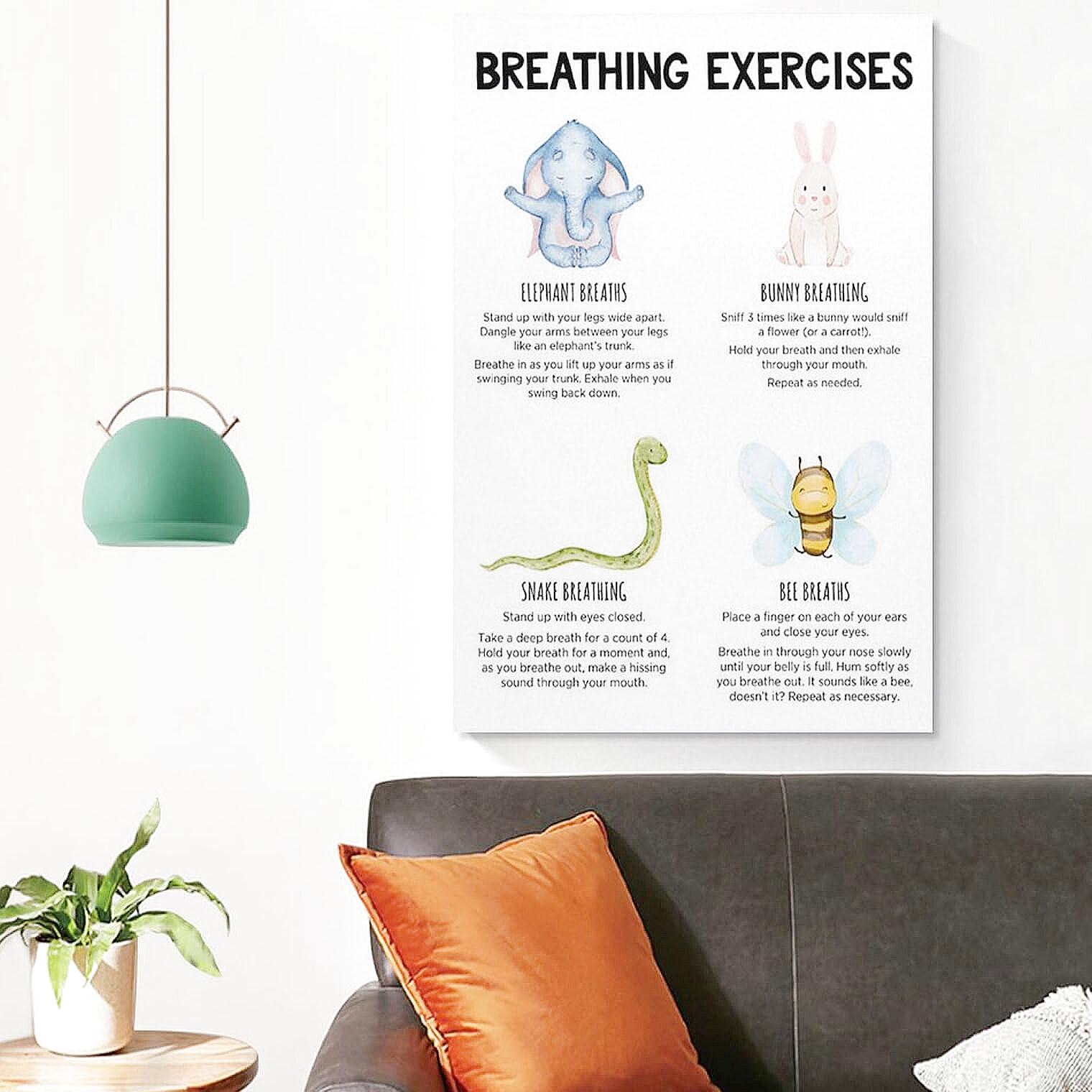
If you’d like to further explore coping tools, the Meditation Timer is a simple way to practice mindfulness and grounding at your own pace.
Here’s a table summarizing five proven anxiety therapies for sexual abuse survivors, so you can compare options at a glance:
| Therapy | How It Helps | Who It’s For | Next Steps |
|---|---|---|---|
| Trauma-Focused CBT (TF-CBT) | Changes negative beliefs, builds coping skills, processes trauma memories | Survivors ready to talk about memories and emotions | Find a trauma-trained CBT therapist |
| EMDR | Uses eye movements to reduce trauma triggers without retelling every detail | Anyone with intrusive memories or fear of talking | Search for a certified EMDR provider |
| Somatic Therapy | Focuses on body-based techniques to release stored tension and trauma | People who feel anxiety in their bodies | Try trauma-informed yoga or somatic groups |
| Group Therapy | Offers support, reduces isolation, and teaches coping skills in a safe space | Survivors seeking peer connection and shared experience | Join a local or online trauma support group |
| Integrative Plans | Combines therapy, self-help, medication, or holistic care | Anyone needing more than one approach | Discuss with a mental health professional |
Therapies like trauma-focused CBT, EMDR, somatic approaches (including breathwork and grounding), supportive group therapy, and integrative treatment plans all have strong evidence for helping sexual abuse survivors manage anxiety. Each approach works a bit differently—some focus on changing thought patterns, others on processing body-based anxiety, and some on reducing isolation through peer support. Beginning with a self-assessment and consulting a mental health professional is a great starting point for finding the best fit.
If anxiety is interfering with your daily life, relationships, sleep, or sense of safety, it’s time to consider therapy. A trained professional can help you identify and change harmful coping patterns, process trauma safely, and develop new skills. Whether you choose in-person or online therapy, support is available. Therapist matching services can help you find a provider who understands trauma and anxiety in survivors.
The truth is, anxiety after sexual abuse is both common and deeply valid. Your struggles are not a reflection of weakness or inability to “move on”—they are your mind and body’s way of surviving breathtakingly hard experiences. Understanding your therapy options and naming your emotions is already a huge act of courage.
You deserve support that is as compassionate as it is informed. Whether you start by taking a self-assessment, browsing community questions, or practicing grounding tools, each step is a victory. The path to healing doesn’t have to be walked alone—community and professional support are always within reach.
Effective anxiety therapies for sexual abuse survivors exist—and with the right information and support, you can regain your sense of safety and joy in life.
Explore why sexual abuse triggers persistent anxiety and learn impactful healing methods to regain peace of mind with expert guidance.
Explore the top 5 apps for online OCD and stress relief in 2026 with expert insights and features to help you manage symptoms effectively.
Learn when to seek help for online OCD with expert signs and anxiety support online. Take action early for better outcomes with professional OCD treatment.