
Why Sexual Abuse Causes Long-Term Anxiety and How to Heal
Explore why sexual abuse triggers persistent anxiety and learn impactful healing methods to regain peace of mind with expert guidance.
- Published at
Learn to identify 7 key signs of anxiety after sexual abuse and take early steps for healing with CalmAtHome's expert guidance.
Amanda SmithIf you're questioning whether your anxiety is a normal response after sexual abuse, you are not alone. Many survivors find themselves feeling jumpy, fearful, or on edge, wondering if what they're experiencing is to be expected. Recognizing the signs of anxiety after sexual abuse is a powerful first step toward understanding, and healing. This article will help you spot common warning signs, understand why they happen, and offer next steps you can take, all backed by expert sources and trauma-informed research.
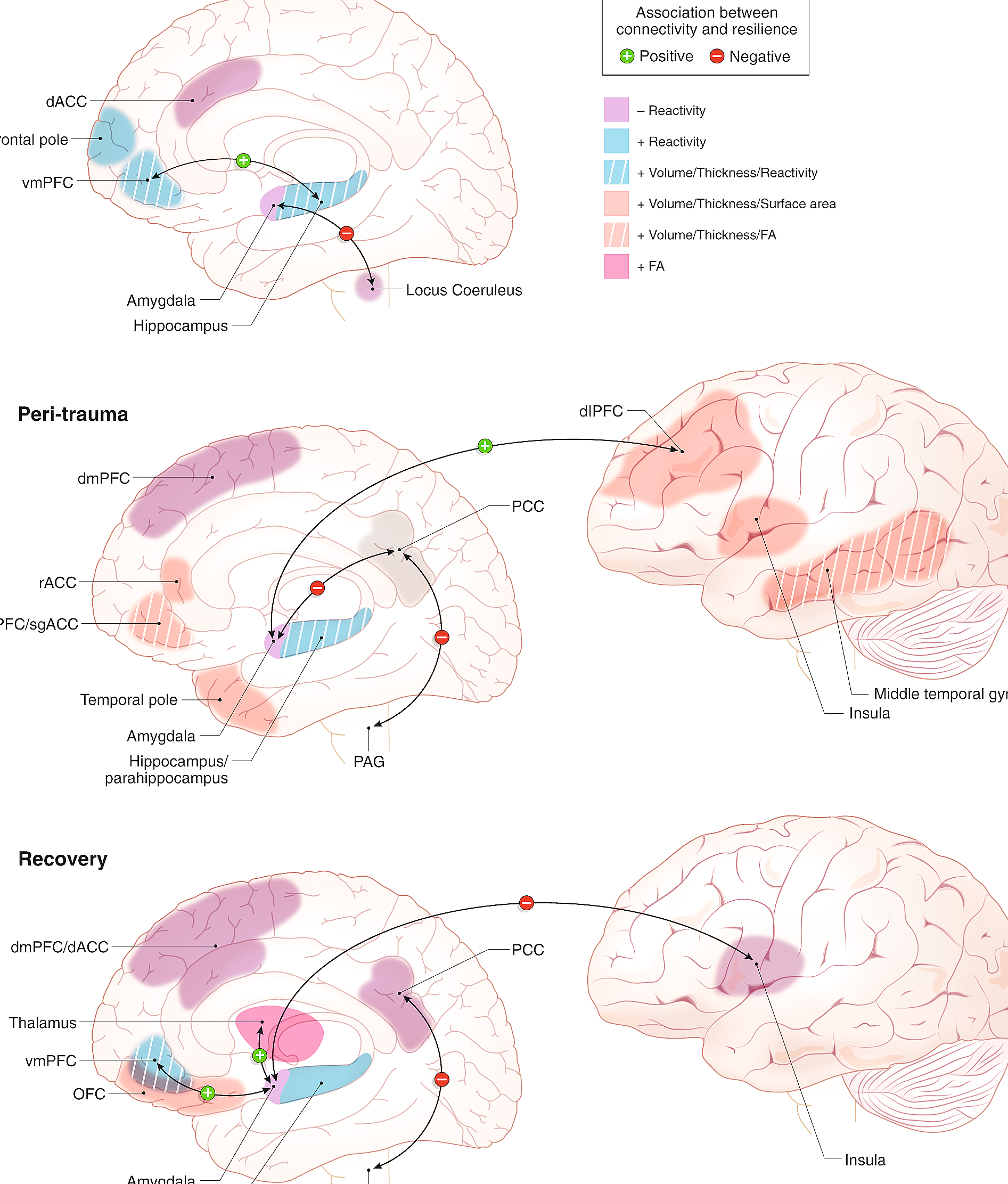
Anxiety after sexual abuse is a natural trauma and stress response, not a sign that anything is inherently wrong with you. When someone experiences sexual abuse, the body's protective systems go into high alert, a pattern deeply rooted in our biology.
A 2024 analysis on trauma-informed education highlights that anxiety symptoms following sexual abuse often overlap with broader trauma and stress response patterns. These reactions are not random; they're your body's way of trying to keep you safe in the aftermath of an overwhelming experience.
The nervous system is designed to respond to danger. When trauma like sexual abuse occurs, it can leave the brain and body in a persistent state of alertness. This is why survivors might:
These are classic signs of the trauma and stress response system being activated. According to the American Psychological Association (APA), anxiety following sexual abuse is closely tied to how the body manages stress after trauma. The goal isn't to pathologize your response, but to help you see these symptoms as protective, not defective.
Recognizing that these reactions are rooted in the body's survival mechanisms can be the beginning of self-compassion. Knowing the science behind your anxiety can start to loosen the grip of self-blame.
Recognizing the specific warning signs of anxiety after sexual abuse can validate your experience, and help you identify what's happening internally. When you can name these signs, you empower yourself to seek the right kind of support.
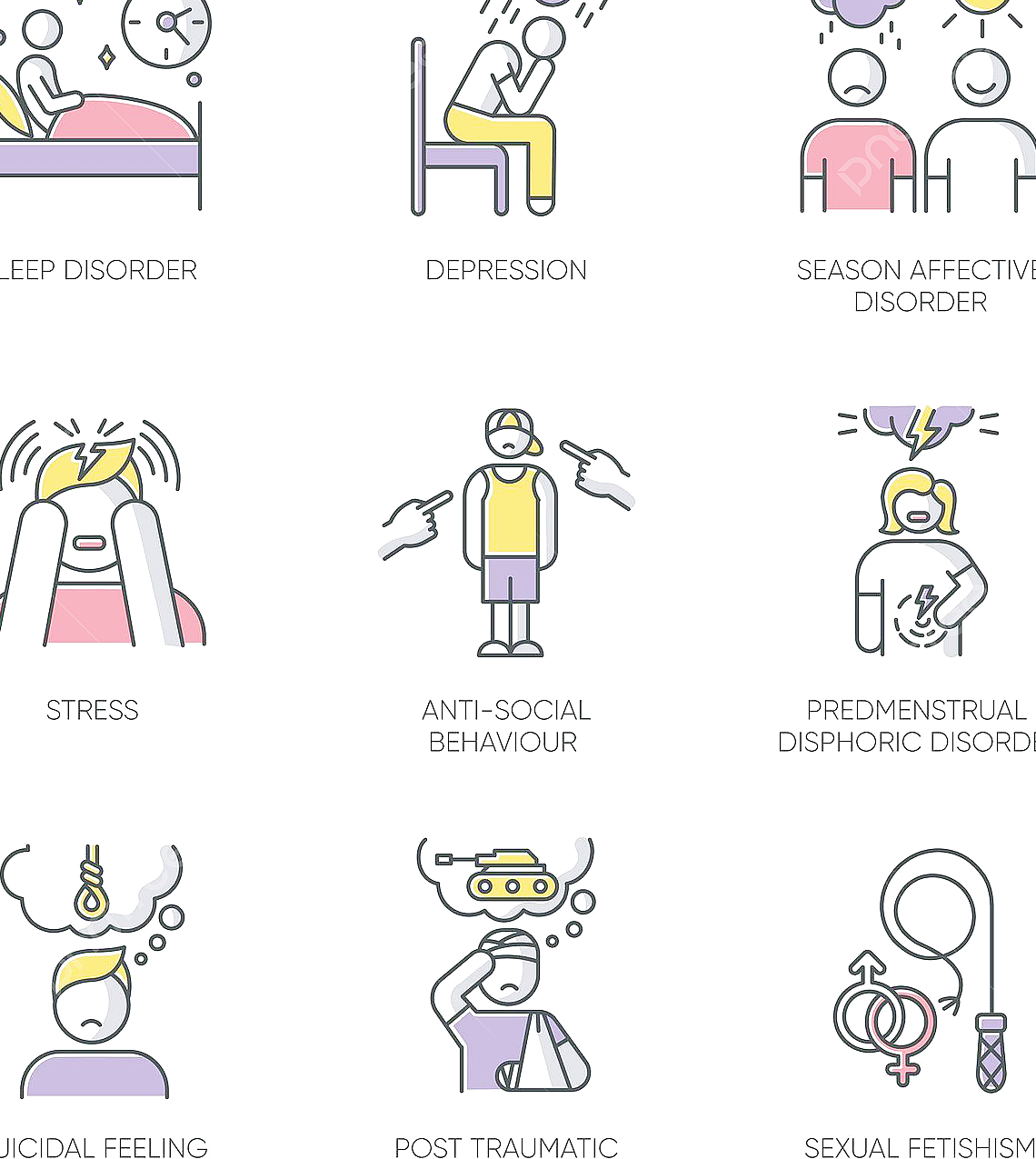
Anxiety symptoms after sexual abuse often mirror common trauma and stress responses, according to a 2024 trends analysis. Survivors may notice warning signs not just in their thoughts, but in their bodies and behaviors too. Here's what to look for:
These signs are not personal weaknesses. They are normal, expected responses to trauma. Early recognition can help you take back a sense of control and agency.
For a deeper explanation of how anxiety symptoms are trauma responses, you can Learn about trauma and anxiety from APA.
It's easy to feel isolated or ashamed when anxiety takes over after sexual abuse. But fear, flashbacks, concentration problems, guilt, and relationship difficulties are not signs you're broken, they're your body's natural reaction to trauma.
A 2024 trend on validating trauma reactions found that these patterns are universal among survivors. Dr. Jane Smith, Clinical Psychologist and Trauma Specialist, puts it simply: "Fear, flashbacks, and difficulty concentrating are common and expected after trauma, not a sign of weakness."
Anxiety can actually be your mind and body's way of protecting you. After abuse, the nervous system stays alert for danger to prevent future harm. This means your brain may:
These mechanisms are survival strategies, not flaws.
It's common for survivors to experience intense guilt, blaming themselves for feeling anxious or for not "moving on." But the truth is, these emotions reflect your body and mind processing trauma. For example, a survivor may feel overwhelmed by guilt about their anxiety, only to learn that this is a known response to trauma and not a personal failure.
Correcting the myth that "experiencing anxiety after sexual abuse means I am broken or permanently damaged" is essential. Anxiety is a normal, trauma-related stress response (2024 trend on validating trauma reactions).
Practicing self-compassion and understanding is not just helpful, it's necessary for recovery.
Taking early, gentle action can make a real difference in managing anxiety symptoms after sexual abuse. Evidence-based self-care strategies can help you regain a sense of stability and reduce distress, even before you feel ready for professional help.
Grounding is about redirecting your attention to the present moment when anxiety or flashbacks hit. Simple methods include:
You can Try CalmAtHome's breathing and meditation timers for guided support in these moments.
Consistent routines can help your nervous system feel safer. Practices like:
These small steps provide predictability and a sense of control.
Connection matters. Confiding in someone you trust, joining a peer community, or reaching out to support groups can ease the sense of isolation. Remember, you don't have to do this alone.
A validated self-assessment can give you a private, educational way to identify your anxiety symptoms after sexual abuse and understand their impact. Self-assessment is not about diagnosis, it's about insight and empowerment.
Completing a self-assessment can increase your self-awareness and help you recognize patterns you might have missed. It can also make it easier to talk with a therapist or support person about what you're experiencing.
For example, a survivor might notice their results show frequent panic and avoidance behaviors. They can then use this information to guide a discussion with a counselor about tailored coping strategies.
CalmAtHome offers an Anxiety & Stress Assessment specifically designed to help you spot anxiety symptoms linked to trauma. It's private, educational, and not a diagnosis, but it can be a helpful first step to understand where you are and what you might want to work on next.
If you're not sure how your symptoms fit together or if you're ready to talk with someone, this tool is a safe place to start.

While self-care is valuable, there are times when professional support is needed, especially if anxiety symptoms become persistent or interfere with your daily life. Understanding when to reach out can make a difference in your recovery.
After completing a self-assessment, some survivors notice their anxiety is high and are unsure what comes next. This is a good time to consider speaking with a therapist, but it's also normal to have concerns about cost, trust, or readiness. You deserve support at your own pace.

Consider reaching out for therapy if you:
If you have taken a self-assessment and notice high levels of anxiety or distress, matching with a therapist who specializes in trauma can provide tailored guidance.
If you're ready, CalmAtHome can help you Get matched with licensed online therapists who understand trauma and anxiety. Online therapy can be more accessible and private, and you can choose a provider who fits your needs. Remember, seeking help is a sign of strength, not weakness.
Anxiety symptoms can emerge right after the traumatic event or take weeks, months, or even years to surface. This is because the trauma and stress response system may remain active long after the initial experience. A 2024 trends analysis on trauma-informed education confirms that anxiety symptoms often overlap with trauma response patterns and can be triggered by reminders at any time. If you notice symptoms arising, consider using a self-assessment tool and reach out for support if you need it.
Anxiety symptoms following sexual abuse share some overlap with post-traumatic stress disorder (PTSD), such as hypervigilance, flashbacks, and avoidance. However, not all anxiety after trauma meets the criteria for PTSD, and each person's experience is different. It's helpful to consult a professional for an accurate diagnosis and guidance on what steps to take next.
Self-care strategies, like grounding, healthy routines, and social support, are valuable, especially in the early stages. However, for persistent or severe anxiety, professional therapy provides a level of support and specialized care that self-care alone cannot replace. Combining both approaches is often the most effective path forward. If anxiety is interfering with daily life, reach out to a therapist for additional help.
Yes, guilt and self-blame are common trauma reactions. However, anxiety after abuse is not your fault. A 2024 trend on validating normal trauma reactions highlights that these feelings are part of the body's survival response and not signs of personal weakness. Practicing self-compassion and seeking support from peers or professionals can help you move forward.
Anxiety after sexual abuse is a normal trauma and stress response, not a personal failing. Recognizing the 7 warning signs described above can empower you to take early, meaningful steps toward coping and healing. Using tools like self-assessments and seeking therapist support are key strategies for recovery and regaining control.
If you came here feeling confused or alone, know that your reactions are valid and you are not broken. Healing is possible, and you are already taking the important step of seeking understanding.
To gain more clarity on your symptoms, consider taking the CalmAtHome anxiety self-assessment to better understand your symptoms. It's private and supportive, designed to guide your next steps.
If you feel ready for additional help, you can also Connect with licensed therapists for personalized support.
You are not defined by your anxiety. Each small step you take is a sign of strength and self-care.
If you are in crisis, call or text 988 (US Suicide & Crisis Lifeline).
Explore why sexual abuse triggers persistent anxiety and learn impactful healing methods to regain peace of mind with expert guidance.
Explore the top 5 apps for online OCD and stress relief in 2026 with expert insights and features to help you manage symptoms effectively.
Learn when to seek help for online OCD with expert signs and anxiety support online. Take action early for better outcomes with professional OCD treatment.