
Top 5 Apps to Help Manage Online OCD and Stress in 2026
Explore the top 5 apps for online OCD and stress relief in 2026 with expert insights and features to help you manage symptoms effectively.
- Published at
Explore why sexual abuse triggers persistent anxiety and learn impactful healing methods to regain peace of mind with expert guidance.
Amanda SmithIf you're living with persistent anxiety after sexual abuse, whether it happened years ago or more recently, you're not alone. Many survivors struggle with ongoing anxiety that seems to defy logic or time. Understanding why this happens is the first step toward reclaiming your sense of safety and peace.
Sexual abuse can cause lasting anxiety by deeply impacting the brain and emotional systems. Trauma from abuse often leaves survivors in a chronic state of unease or fear, sometimes for years after the event. This isn't simply a matter of "not moving on", it's a complex reaction rooted in how trauma rewires the mind and body.
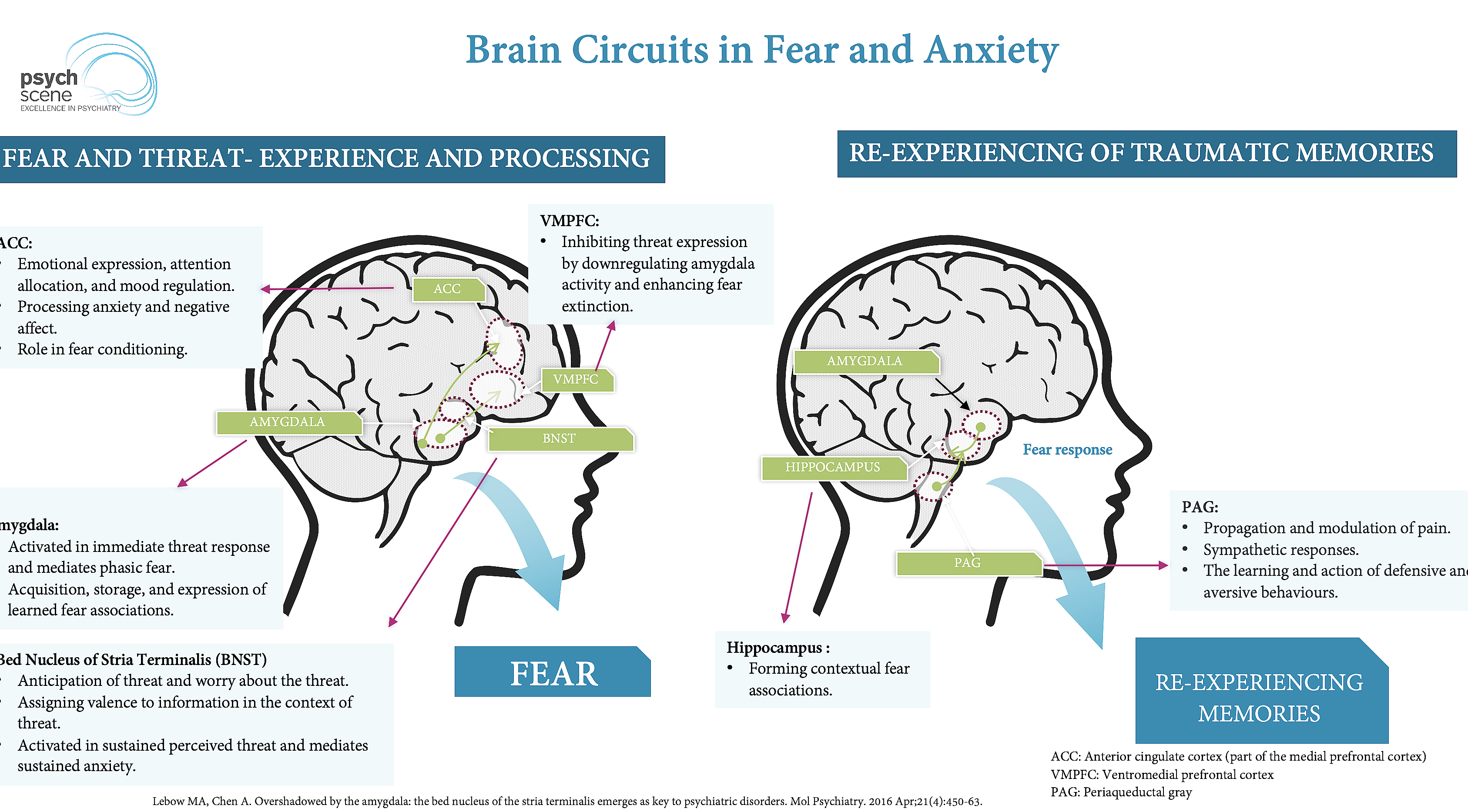
Survivors frequently wonder, "Why am I still anxious? The abuse is over." The answer lies in how trauma creates a state of constant alertness. For example, a survivor might experience daily panic attacks or hypervigilance, especially when exposed to reminders of their abuse, such as a certain smell, a voice, or even a time of day. These responses are not weaknesses or failures to recover. They are the mind's way of trying to protect itself from further harm.
When someone experiences sexual abuse, their brain adapts to survive. It becomes more sensitive to perceived threats. Emotional responses, such as anxiety, become heightened and harder to turn off. This is why you may feel anxious even in safe situations, long after the trauma has ended. Recognizing these changes is the first step to understanding your experience and moving toward healing.
Trauma-induced anxiety doesn't just live in your thoughts. It's rooted in both biological and psychological mechanisms. Sexual abuse can disrupt the body's natural stress systems, making anxiety feel like an ever-present background hum.
Trauma alters how your body manages stress hormones, particularly through a set of processes known as the HPA axis. This system controls your body's reaction to stress, and trauma can keep it stuck on "high alert." Psychologically, fear conditioning means your mind starts to associate certain cues or environments with danger, even if they're safe now. For instance, if you were harmed in a particular setting, being in a similar place later can trigger anxious feelings, even if you know you're safe.
The HPA axis is like your body's internal alarm system. After trauma, this system may stay activated, flooding your system with stress hormones long after the threat is gone. This can make your anxiety feel persistent and unmanageable.
Through fear conditioning, your mind learns to expect danger where none exists. For example, a survivor might notice their anxiety spiking whenever they encounter a specific scent or song that reminds them, even unconsciously, of the abuse. These conditioned responses help explain why anxiety can persist for years.
Understanding these mechanisms doesn't just validate your experience. It offers hope: if these patterns can be learned, they can also be unlearned over time with the right support.
Anxiety after sexual abuse isn't always obvious. It can show up as chronic physical, emotional, or cognitive symptoms that may not be immediately linked to past experiences. Many survivors struggle with symptoms for years, not realizing they're connected to trauma.
Common signs of trauma-induced anxiety include:
For instance, imagine a survivor who can't sleep at night, especially around the time their trauma occurred. They find themselves having panic attacks when walking past certain places or when they hear a particular phrase. Recognizing these symptoms isn't about labeling yourself, it's about understanding how your mind and body are responding to past pain.
Connecting your symptoms to trauma can be the first step in seeking meaningful help or support. Next, let's explore what healing can look like.
Recovering from trauma-induced anxiety is not about "getting over it", it's about learning new ways to feel safe, calm your mind, and care for yourself. The process is different for everyone, but certain steps can help guide your journey.
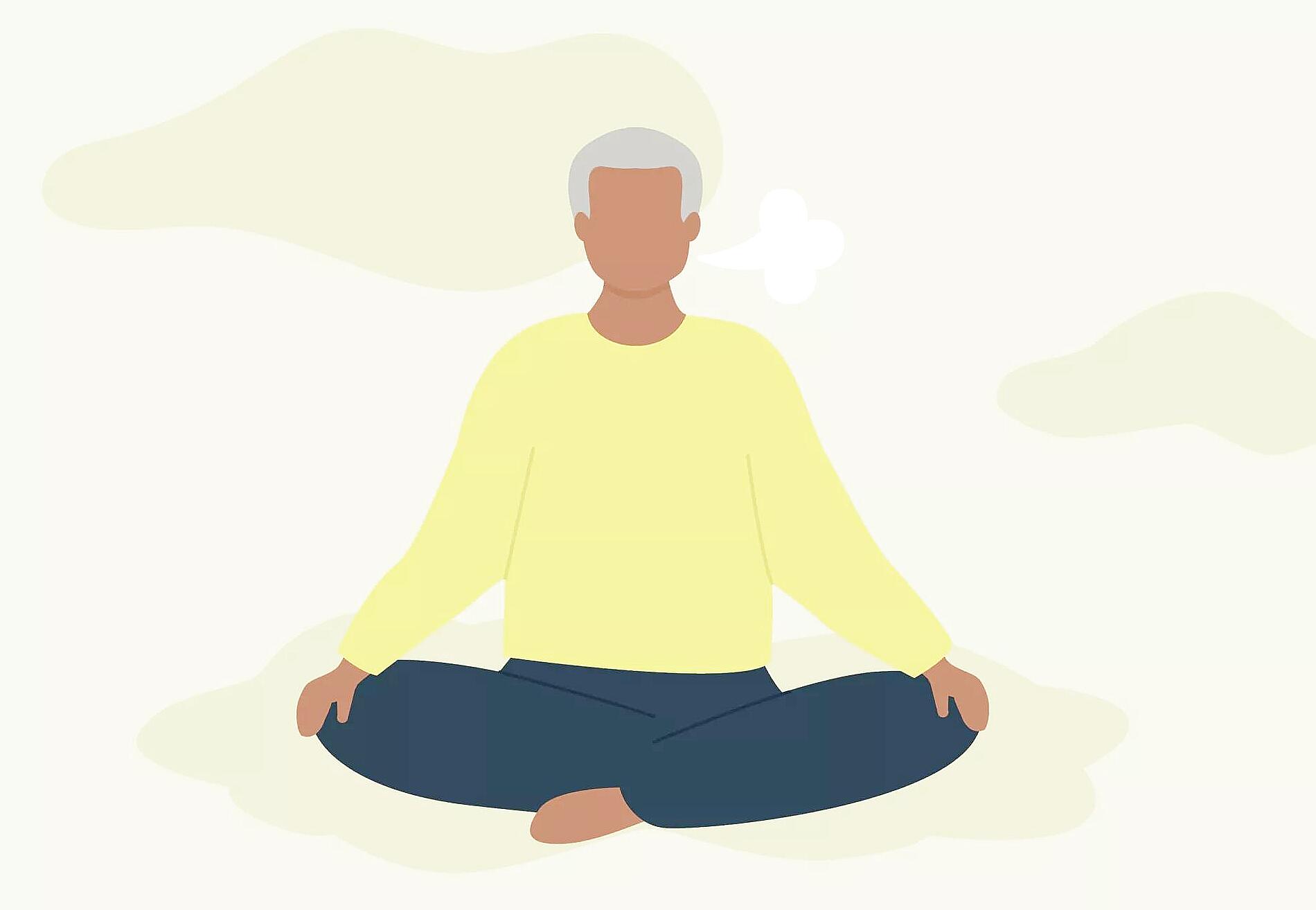
Before any deeper healing can happen, it's essential to create a sense of safety. This might mean making your home feel secure, limiting exposure to triggers, or practicing grounding techniques like focusing on the sensation of your feet on the floor. Grounding exercises, such as slow, intentional breathing or noticing five things you see and hear, can help reduce anxiety in the moment.
Therapy can be a powerful tool for survivors. Methods like cognitive-behavioral therapy (CBT) or somatic therapies help address both the thoughts and body sensations tied to anxiety. Working with a licensed therapist (in-person or online) can provide a safe space to process trauma and develop coping skills. If starting therapy feels overwhelming or inaccessible, know that it's okay to take small steps or seek out low-cost resources.
Self-care goes beyond bubble baths or comfort food. It's about consistent practices that soothe your nervous system and affirm your worth. Meditation, journaling, and breathing exercises are all evidence-based ways to reduce anxiety. For example, many survivors use simple breathing timers or meditation tools to anchor themselves during moments of distress. These practices aren't a cure-all, but they can make daily life more manageable and support your longer-term healing.
Try CalmAtHome's breathing and meditation timers to reduce anxiety symptoms, they're designed for moments when you need grounding and calm, even if only for a few minutes at a time.
Self-assessments can be valuable educational tools for survivors of sexual abuse. While they can't diagnose you, they can help you identify anxiety levels, monitor changes, and decide when to seek additional support.
Imagine a survivor who isn't sure whether their symptoms warrant therapy. They use a confidential, educational self-assessment to track their anxiety over several weeks. Reviewing the results helps them notice patterns and decide if they're ready to reach out for professional help. This process empowers survivors to make informed decisions about their own healing.
Self-assessments help you:
However, it's important to remember that self-assessments are educational, not diagnostic. They're designed to give you insight and guide your next steps, never to label or limit you.
CalmAtHome offers private, educational self-assessments created for trauma survivors. They're confidential and meant to support, not replace, professional care.

Healing from sexual abuse and anxiety is not a journey you have to make alone. Supportive communities, especially those focused on anonymity and shared experience, can be a powerful lifeline for survivors.
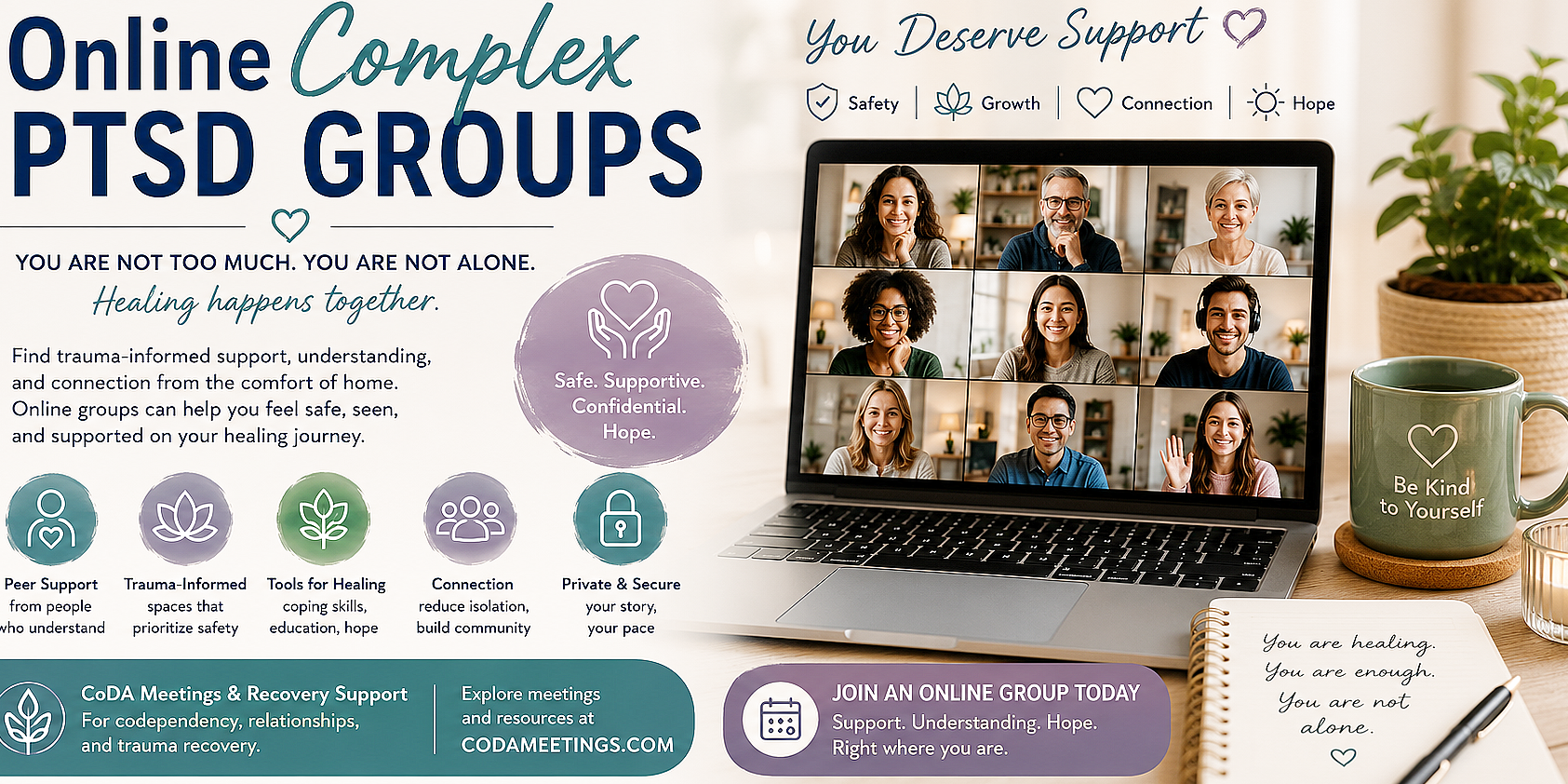
Connecting with others who "get it" can reduce feelings of isolation and self-blame. For example, a survivor joins an anonymous online peer group. They find comfort in reading others' stories, receive encouragement on tough days, and offer support in return. These shared experiences can remind you that you're not alone, and that hope and healing are possible.
CalmAtHome provides a safe, anonymous space to connect, share, and heal alongside others with similar experiences. Sometimes, just knowing someone is out there listening can lighten the load.
Anxiety often continues for years after trauma because of changes in how the brain reacts to stress and how the mind learns to expect danger. Both biological factors (like a disrupted HPA axis) and psychological patterns (like learned fear) keep anxiety active even after the abuse stops.
For more on how these mechanisms work, see the section on biological and psychological causes. If you're struggling, trying grounding techniques or speaking with a therapist can help you manage symptoms and feel safer.
Yes, healing from trauma-induced anxiety is possible. Approaches that include safety, grounding, therapy, and daily self-care have helped many survivors recover and regain quality of life.
Section 4 outlines practical steps, but remember, it's okay to go at your own pace. Exploring resources like CalmAtHome's wellness tools or connecting with community support can also be helpful starting points.
If your anxiety patterns or triggers seem linked to specific events, environments, or memories, it may be connected to past trauma. Symptoms like panic, insomnia, or hypervigilance, especially if they cluster around reminders of abuse, are common aftereffects.
Our section on recognizing symptoms describes what to look for. You might also consider taking an educational self-assessment to clarify your pattern. If you're unsure, reaching out to a professional can provide guidance without pressure.
Self-assessments are helpful tools for self-awareness, not formal diagnosis. They can offer insight into your symptoms and help track changes but can't replace a conversation with a clinician.
Section 5 details their benefits and limitations. CalmAtHome's self-assessments are private and educational, meant to support, not replace, professional care. For a full picture, consider professional evaluation when you feel ready.
Sexual abuse causes long-term anxiety through complex biological and psychological mechanisms. Recognizing your symptoms and understanding where they come from is a courageous and essential step toward recovery. Healing involves creating safety, exploring therapy, practicing self-care, and building supportive connections.
If you're ready to take the next step in self-understanding, take an educational self-assessment to better understand your anxiety. It's private, empowering, and can clarify your needs so you can decide what to do next.
You don't have to do this alone. Join a supportive peer community to share and heal together.
You have the right to peace, and every step you take, no matter how small, is a step forward.
If you are in crisis, call or text 988 (US Suicide & Crisis Lifeline).
Explore the top 5 apps for online OCD and stress relief in 2026 with expert insights and features to help you manage symptoms effectively.
Learn when to seek help for online OCD with expert signs and anxiety support online. Take action early for better outcomes with professional OCD treatment.
Explore science-backed lifestyle changes to sustainably lower cortisol and reduce stress. Learn practical steps and connect with expert help.