
Why Sexual Abuse Causes Long-Term Anxiety and How to Heal
Explore why sexual abuse triggers persistent anxiety and learn impactful healing methods to regain peace of mind with expert guidance.
- Published at
Learn when to seek help for online OCD with expert signs and anxiety support online. Take action early for better outcomes with professional OCD treatment.
Amanda SmithOnline OCD isn't just "spending too much time on your phone." For many young adults, it means battling persistent, anxiety-filled thoughts and compulsions that spiral into hours lost online. If you find your digital habits distressing and disruptive, it isn't just stress, learning when to seek help for online OCD can change everything.
Online OCD involves persistent intrusive thoughts and compulsive online behaviors that cause real distress and interfere with your daily life. If you find yourself repeatedly checking your phone notifications at midnight, even though you know it will ruin your sleep, you're not alone. This isn't just about "bad habits", it's about intense anxiety that drives repetitive online actions.

Online OCD can impact your mental health, relationships, work, and even your self-esteem. Many people minimize it, thinking, "It's not as serious as traditional OCD." But that's a myth. Online OCD can be just as impairing and deserves real attention.
Not every habit is a compulsion. If you scroll Instagram before bed, that's common. But online OCD is different:
If this pattern sounds familiar, you might be wondering what signs should prompt you to seek help. Let's break them down next.
Recognizing the signs of online OCD is the first step in getting the support you need. If you notice these patterns, it's worth paying attention:
Imagine a working professional who means to check a single notification but ends up stuck in an online loop, refreshing social media for hours. Deadlines pass. Anxiety grows. This isn't just distraction, it's distressing and disruptive.
The behavioral signs go beyond just "being online a lot." Watch for:
If these symptoms feel familiar, know that professional help can make a difference. The next section explains why acting early matters.
Seeking professional OCD treatment early improves your chances of reducing anxiety and regaining control over compulsive online behaviors. Acting quickly isn't just about symptom relief, it's about protecting your future mental health.
Starting therapy early can reduce both the intensity and frequency of online checking rituals. For example, a young adult who noticed these patterns reached out to a therapist and, within a few months, felt a significant decrease in distress and the urge to check online accounts. Professional support provides structured coping tools and therapy options tailored to your situation.

Delaying help can allow symptoms to escalate, increasing anxiety and causing more disruption in your daily life. Early intervention often means a shorter path to feeling better and getting back to what matters to you.
Cognitive behavioral therapy (CBT) and other evidence-based approaches can help manage online OCD. Online therapy platforms make it easier to access these services from home, removing barriers like travel or stigma. Online support communities may also reduce feelings of isolation and increase motivation to seek further help.
If you're unsure whether your online behaviors warrant professional help, educational self-assessments can offer clarity. They provide insight into the severity and impact of your symptoms, helping you decide on next steps. Remember, they're tools for learning, not clinical diagnoses.
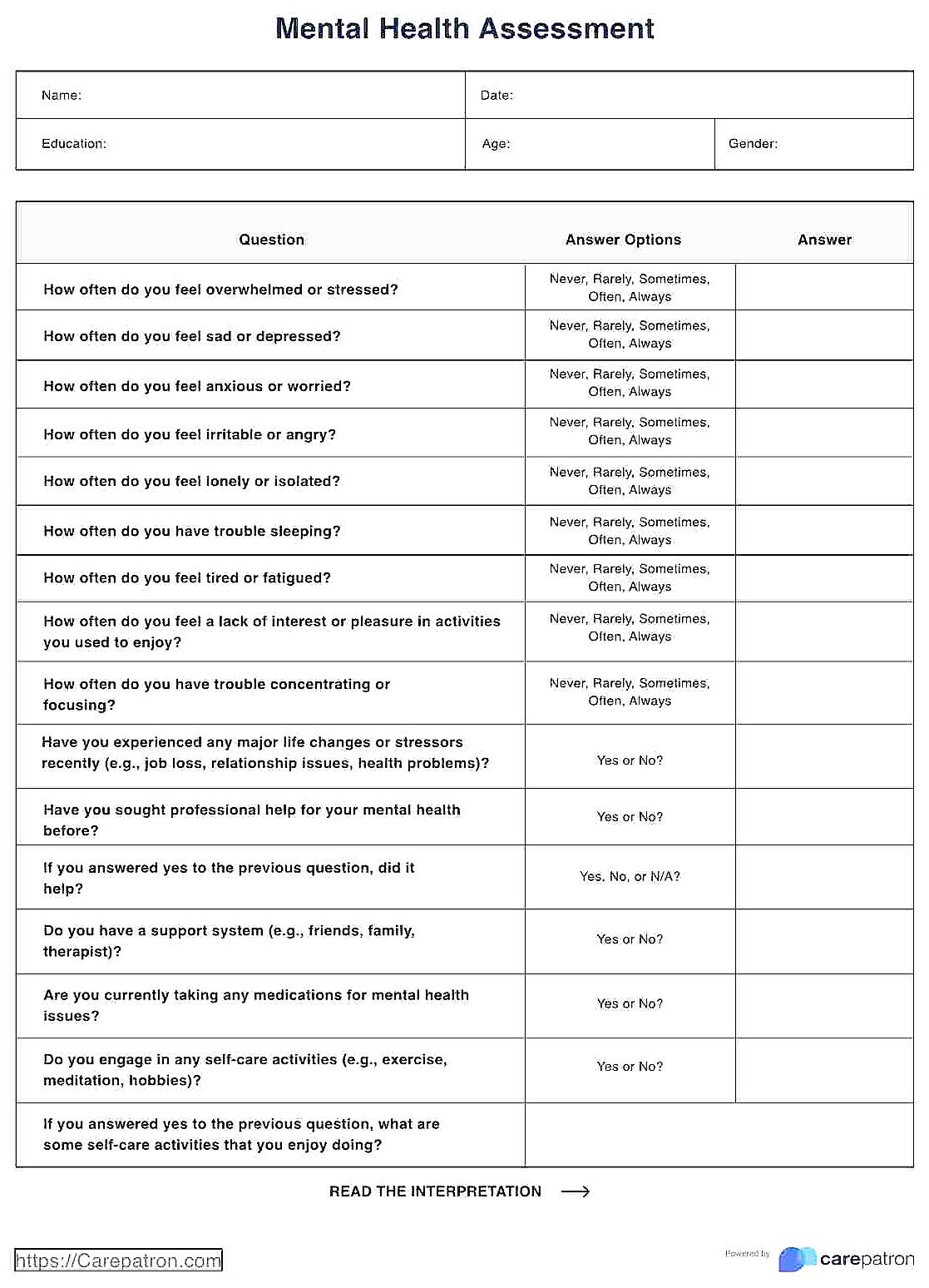
Many readers have found that reflecting on their results empowered them to book a therapy session, feeling more confident about seeking support. If you'd like to learn more about your online OCD symptoms,
Take an educational online OCD self-assessment to learn about your symptoms. This assessment is private and educational, not a diagnosis, but it can help you understand your pattern and what to do next.
Use your self-assessment results as a conversation starter, not a label. If your answers suggest significant distress or interference with daily life, consider reaching out to a licensed professional. If you're unsure about your results or feel hesitant, that's normal. Taking this step puts more information in your hands and makes decisions about seeking help less overwhelming.
Recognizing that you might need support is a huge step. Professional OCD treatment, including cognitive behavioral therapy and sometimes medication, can make a real difference. Online platforms have opened doors to therapy and peer communities in ways that fit your schedule and comfort level.
Joining an online peer support group or connecting with a licensed therapist can help you feel less alone. For example, some individuals start with a self-assessment, recognize the impact of their symptoms, and then reach out for therapy, often feeling relief that they're not just "overreacting."
Online therapy offers practical benefits: flexibility, privacy, and access to specialists no matter where you live. Peer communities can provide encouragement and keep you engaged with your recovery. If you're ready to take the next step or just want to explore your options, you can
Find licensed online therapists specializing in OCD to start a conversation about your unique situation.

OCD-related online behaviors involve urges and rituals you can't control, even when you want to stop. These compulsions cause you significant distress and interfere with daily functioning, unlike typical bad habits, which are voluntary and easier to change.
A common myth is that people with OCD can "just stop" if they try hard enough. In reality, compulsions are driven by intense anxiety and intrusive thoughts, and professional help is often needed to manage them. Another myth: online OCD isn't as serious as other forms. That's not true, online OCD can be equally disruptive and deserves attention.
If you're uncertain about your own patterns, consider using CalmAtHome's online OCD self-assessment as an educational tool to better understand your symptoms.
Yes, online therapy, including cognitive behavioral therapy, has been shown to help people with OCD symptoms. Many find online sessions more accessible and less intimidating than in-person therapy, especially when dealing with anxiety about their symptoms.
The benefits include convenience, privacy, and the ability to match with therapists who specialize in OCD, all without leaving home. As explained above, professional OCD treatment online can help reduce symptoms and provide coping strategies.
If you're seeking therapy, look for licensed professionals through trusted platforms for the best support.
If your compulsive online behaviors are causing distress, interfering with sleep, work, or relationships, or you feel unable to resist them, it's a good time to seek professional help.
Key signs include uncontrollable urges, significant anxiety if rituals aren't completed, and life disruptions, all covered in the signs section above. Early treatment often leads to better outcomes, as discussed earlier.
A practical next step is to take the online OCD self-assessment to gauge your symptoms, and then consider scheduling a consultation with a therapist based on the results.
Online OCD isn't about being "bad at self-control", it's about real distress and patterns that interfere with your life. Recognizing uncontrollable urges, anxiety, and daily disruptions is the first step to knowing when to seek help for online OCD. Early professional treatment can make a lasting difference, supporting your recovery and protecting your mental health.
Ready for more support?
Connect with licensed online therapists specialized in OCD treatment to get care that fits your needs and comfort level.
Whether you're just starting to notice these signs or have been struggling for a while, you have options. Taking one small step today can open up real change for tomorrow.
Explore why sexual abuse triggers persistent anxiety and learn impactful healing methods to regain peace of mind with expert guidance.
Explore the top 5 apps for online OCD and stress relief in 2026 with expert insights and features to help you manage symptoms effectively.
Explore science-backed lifestyle changes to sustainably lower cortisol and reduce stress. Learn practical steps and connect with expert help.