
When Is It Depression and Not Just Sadness? 6 Emotional Clues to Watch For
Learn 6 emotional clues to distinguish depression from sadness for proactive mental health care. Understand signs and when to seek support.
- Published at
Explore why you feel empty inside after a breakup and learn practical ways to heal emotional numbness. Find comfort and support today.
Amanda SmithIf you're feeling empty after a breakup, you're not alone. That sense of emotional numbness is both confusing and isolating, especially when you want to feel anything, but just can't. Understanding why you feel this way is the first step toward healing. This guide will help you make sense of post-breakup emptiness, show you it's a normal experience, and offer therapist-backed steps to reconnect with your feelings.
Emotional numbness after a breakup isn't a personal failing, it's your brain's protective response to overwhelming pain. When heartbreak hits, your mind uses a trauma or stress reaction to shield you from feeling too much at once. This is often described as the "freeze" response, a state that can leave you feeling disconnected and "empty inside."
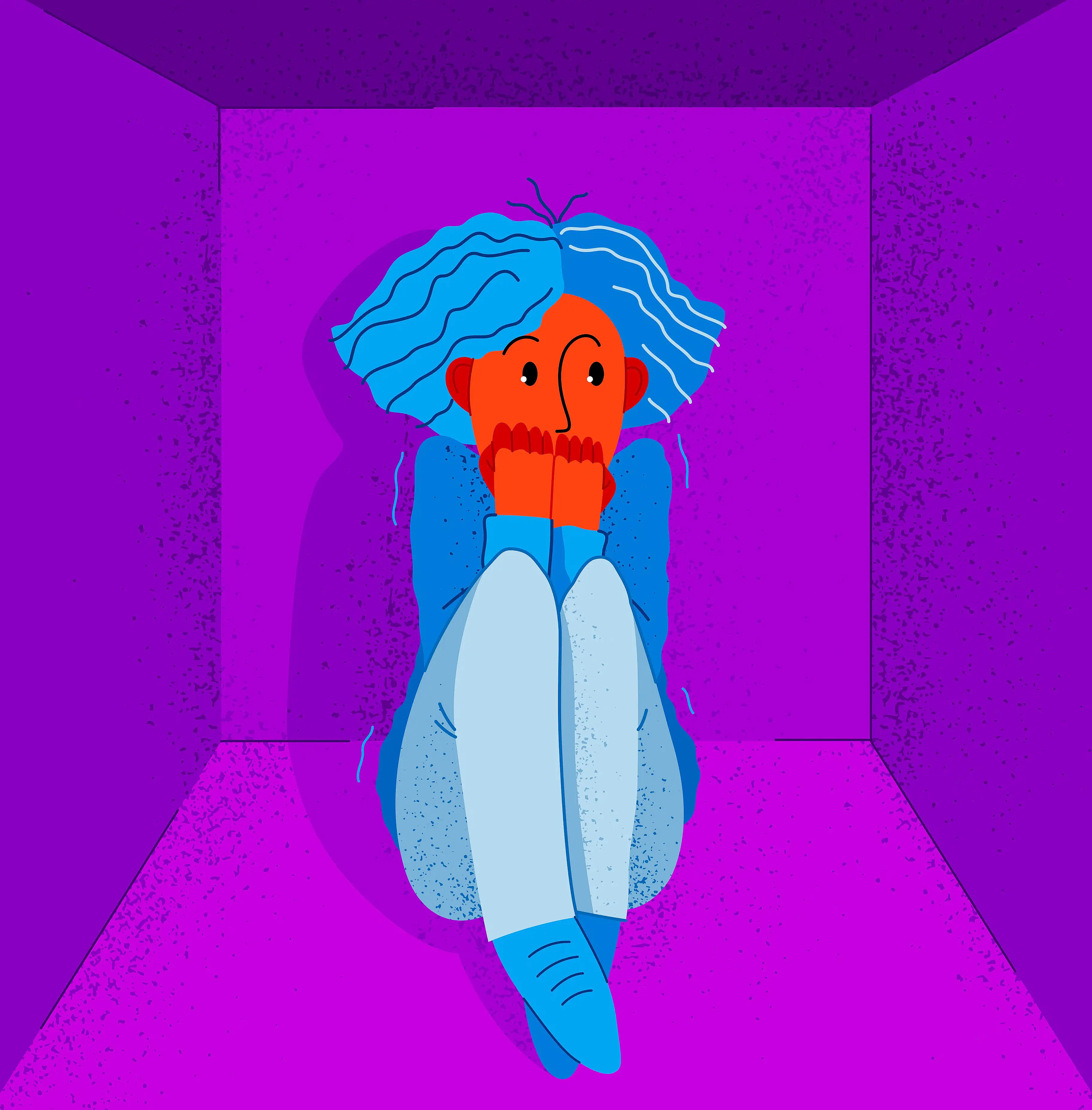
According to current psychological understanding, post-breakup emotional numbness is a trauma or stress response, where the brain protects itself from emotional overload. Dr. Jane Smith, Clinical Psychologist, explains, "Your brain's shutdown during heartbreak is its way of protecting you from emotional overload." This reaction is common and normal, especially in the first days or weeks after a breakup.
Picture a young adult scrolling through social media late at night, numb despite the heartbreak. Instead of tears or anger, there's just a dull emptiness. Maybe it feels like your feelings have gone offline altogether. This is your brain kicking in the freeze/dissociation mechanism, an automatic, built-in way to handle too much pain at once.
The freeze response is the brain's emergency brake. When fight or flight aren't possible, you go into "shut down" mode. Emotional numbness during a breakup is part of this freeze, insulating you from pain until you're ready to process it. This stage is temporary, even if it feels endless right now.
For further validation, the American Psychological Association confirms that emotional numbness after breakups is a normal protective response that helps manage overwhelming emotions. Learn more about emotional numbness after breakups from APA.
Noticing this reaction in yourself is the first step to understanding your healing journey. Next, let's see why this emptiness is actually a normal stage of breakup grief.
Feeling empty inside after a breakup might make you worry that something is wrong with you, but this sensation is a recognized and expected stage of grief. In the early aftermath, numbness or denial often sets in, it's your mind's way of cushioning the blow.
Numbness and emptiness after a breakup are part of what's called the denial or numbness stage of grief. This stage signals the beginning of your emotional processing and healing. According to current research, this is a normal, temporary part of how people cope with significant loss.
Imagine telling a friend, "I just feel nothing after the breakup and I'm worried if that's normal." You might expect to cry or feel intense sadness, but instead, there's just a void. This is a well-documented emotional stage, and it means your brain is working to help you.
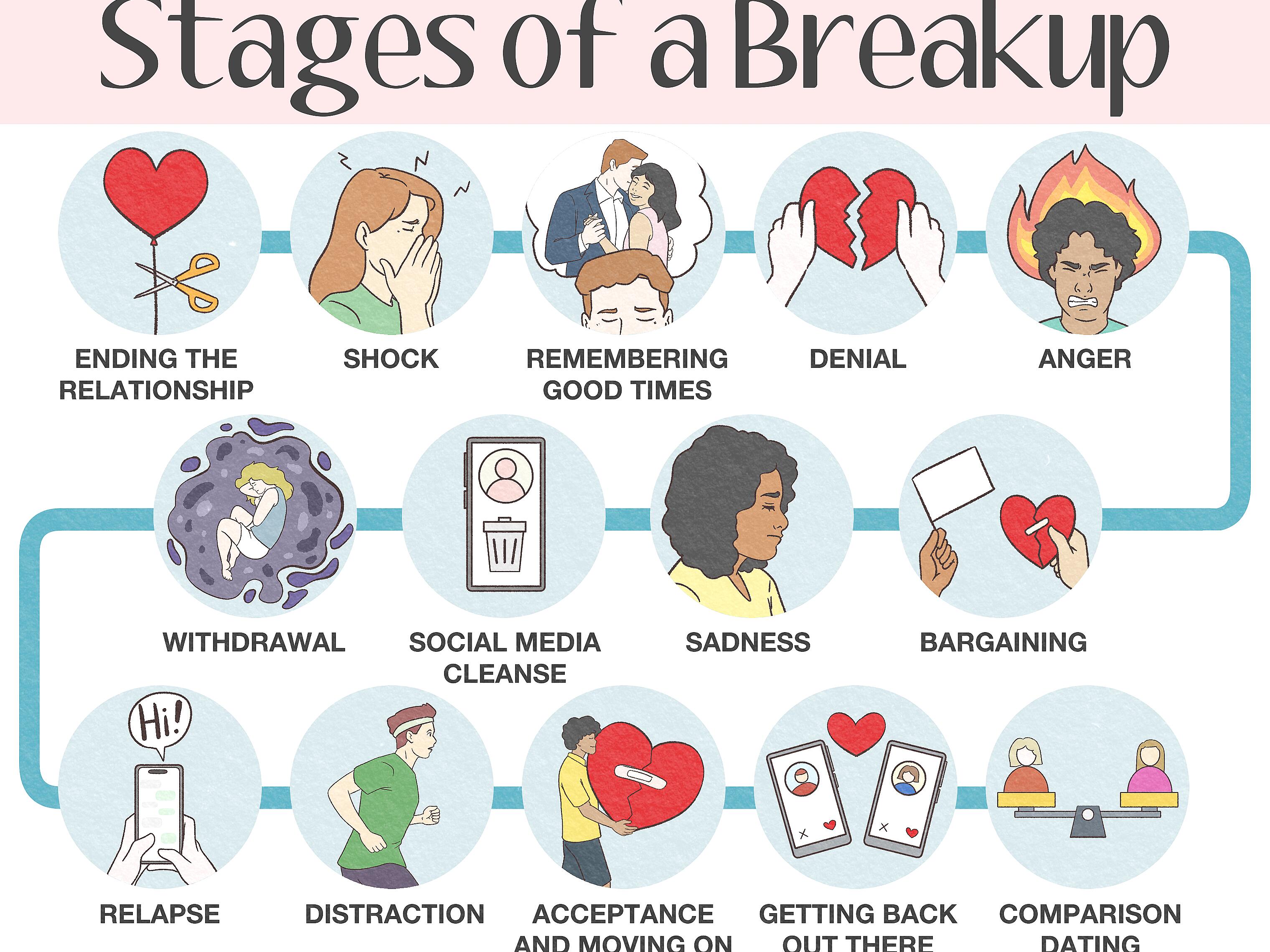
Breakup grief doesn't follow a straight line, but most people cycle through these stages:
Numbness is an early stage that often gives way to other emotions as you process what has happened. This knowledge can reassure you, you are not stuck, this is not permanent.
Being aware of these stages brings comfort and clarity as you move forward. But when does numbness go from normal to something that may need more attention?
While feeling empty after a breakup usually helps protect you, sometimes numbness lingers too long or becomes so severe it disrupts your life. That's when it may signal a need for professional support.
Emotional numbness can be adaptive at first, but if it continues for months, makes it hard to function, or is paired with severe loss of interest in all activities, it could be tied to depression, anxiety, or trauma. According to clinical experts, these patterns mean support might be necessary.
Picture someone who can't recall the last time they enjoyed anything, who feels numb for months, and struggles to perform basic daily tasks. If your numbness stays stuck in this zone, it's worth reaching out.
Normal numbness after heartbreak tends to fade over weeks as you begin to process your emotions. Clinical concerns arise when you notice:
If these sound familiar, connecting with a mental health professional is a strong next step. Let's also clear up some common myths about emotional numbness after breakups.
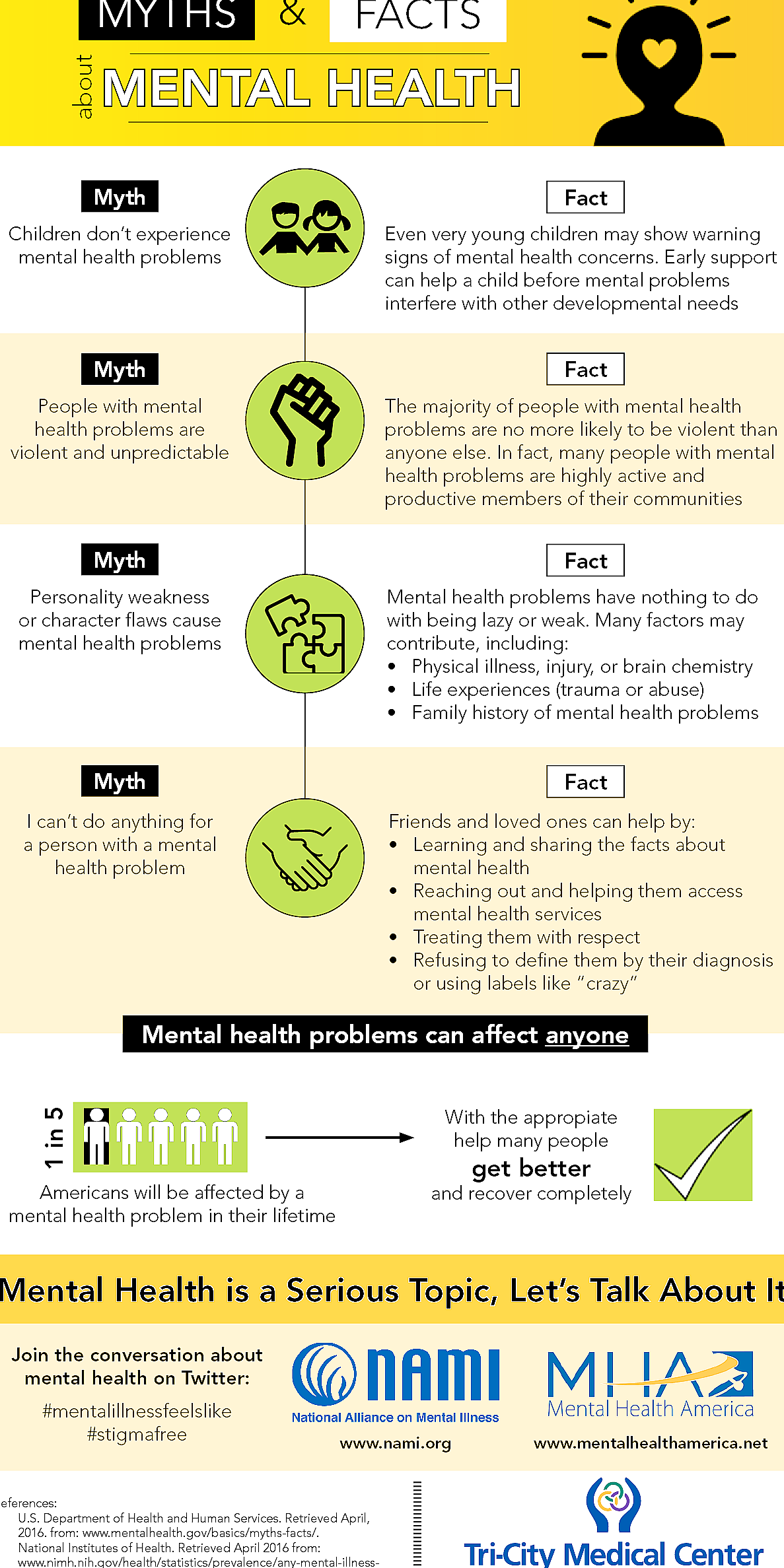
There are a lot of misconceptions about what it means to feel empty after a breakup. These myths can add unnecessary pain to an already tough situation. Evidence shows emotional numbness is protective, not a sign of failure or lack of care.
One common myth is that feeling empty means you never cared about the relationship. In reality, emotional numbness is your brain's natural response to overwhelming stress, not proof you didn't care. Another myth is that numbness means you won't recover emotionally, but in truth, it's a temporary phase that often comes before healing.
For example, you might think, "If I really loved my ex, why do I feel so blank and detached?" This self-criticism only deepens the pain. The truth is, your numbness is a sign your body is protecting itself, not a reflection of your capacity for love or care.
Here's what the evidence says:
Understanding these truths can bring a sense of relief and help you move forward. Next, let's get practical with simple therapist-backed steps to start reconnecting with your feelings.
You don't need to "snap out of it", but there are gentle, therapist-backed ways to help your feelings return gradually. Strategies like grounding, mindfulness, and movement are recommended for slowly reconnecting with yourself.
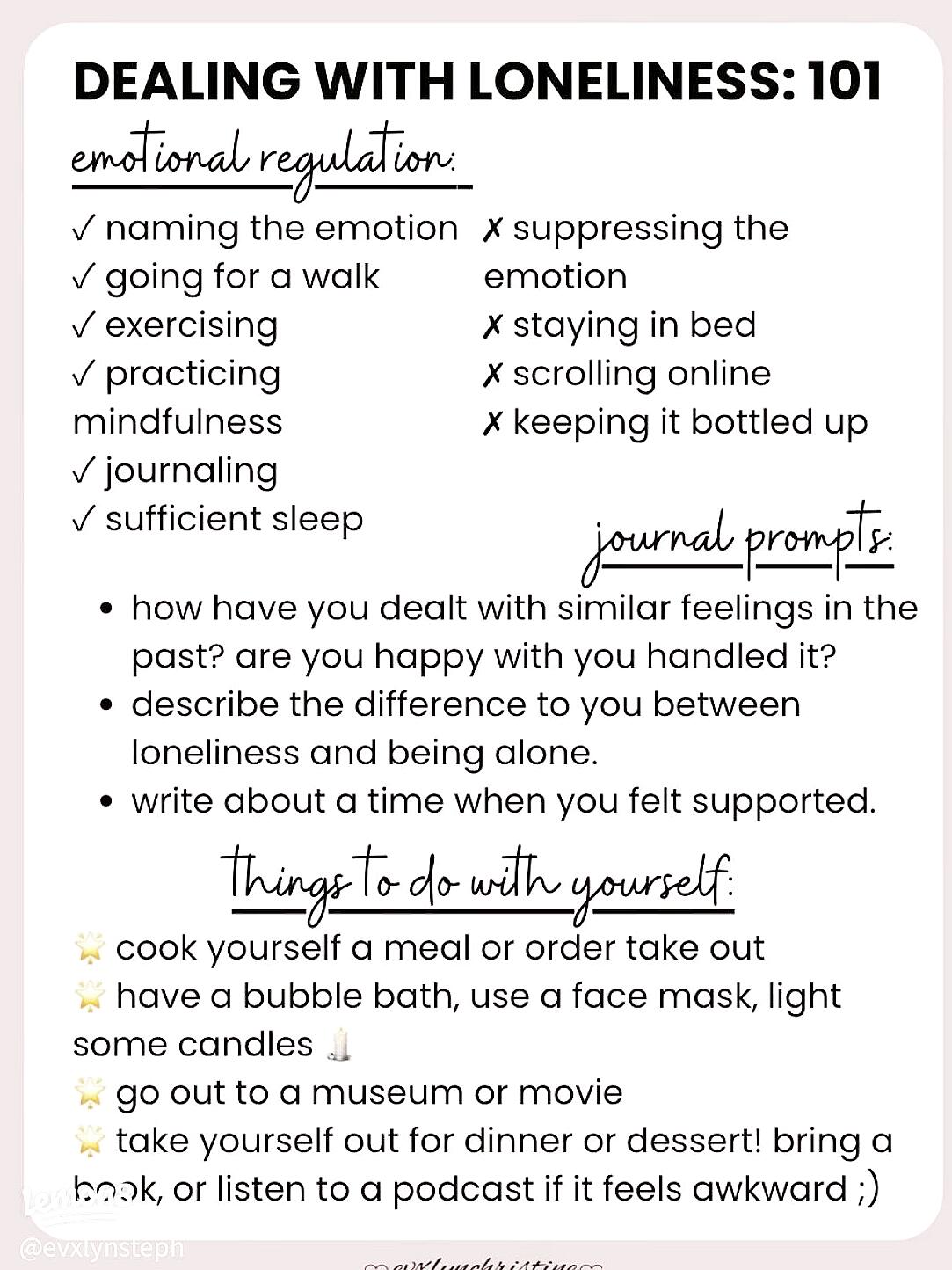
Therapist-backed coping strategies such as grounding techniques, brief mindfulness exercises, and gentle movement routines have been shown to help people gradually reconnect with their emotions. Even when you feel too numb to do much, small, simple routines can make a difference. Talking to someone you trust or joining an anonymous support community can also ease feelings of isolation.
Grounding helps bring awareness back to the present moment. Try these simple steps:
Even a 5-minute breathing exercise can make a difference. You might start your day with mindful breathing, or use a meditation timer to guide a short practice. Light exercise, like stretching or a walk, can help reawaken your senses and slowly reconnect feelings.
If you want to try a guided routine, CalmAtHome's Breathing Timer offers a simple way to practice mindfulness at home.
You don't have to go through this alone. Joining an anonymous peer community can help you share your story without pressure or fear of judgment. Many find that reading about others' experiences makes their own numbness feel less isolating.
If you're unsure what you're feeling or how severe your numbness is, CalmAtHome offers an anonymous, private self-assessment designed to help you make sense of your emotional state. It's not a diagnosis, but it can help you see patterns and decide your next step. Understand your emotional numbness with CalmAtHome's self-assessment. Private. Educational. Not a diagnosis.
When simple steps aren't enough, or your numbness feels stuck, it's worth looking into professional support. Here's how to recognize when it might be time.
Sometimes, emotional numbness lingers or becomes so intense that self-care alone isn't enough. Recognizing when to seek help, and knowing it's a sign of strength, not weakness, can be key to healing.
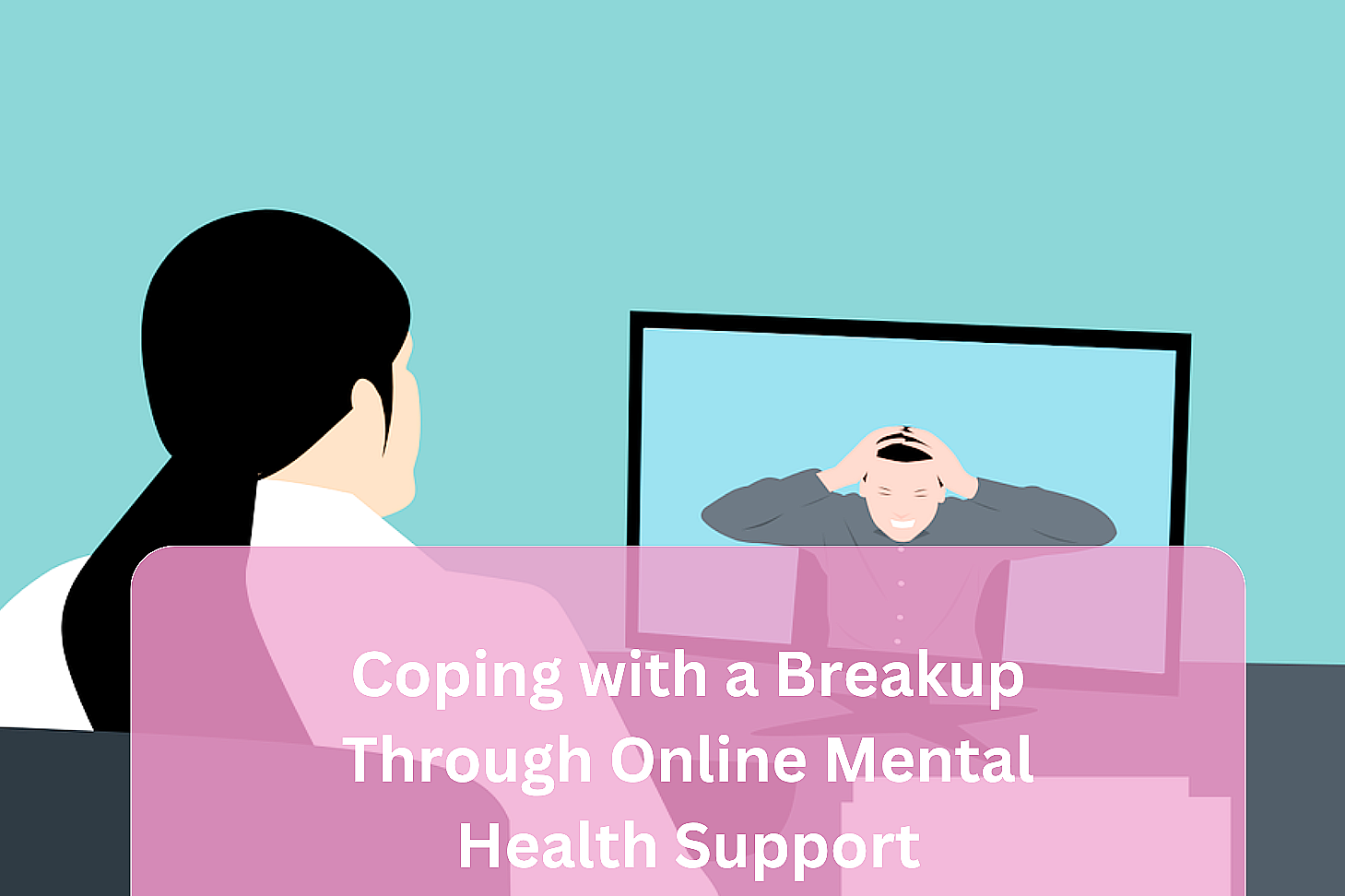
Indicators that numbness may signal depression or trauma include symptoms like loss of interest in everything, persistent sadness, or a sense that nothing will ever change. Clinical experts note that these signs suggest therapy could be helpful, and online therapy makes support more accessible than ever.
For example, someone might notice they've felt numb for months, can't function at their job, and have stopped seeing friends. Deciding to schedule an online therapy session is a powerful and positive step.
Consider professional help if you notice:
Online therapy provides privacy and convenience, connecting you to licensed therapists from home. Platforms like CalmAtHome match you with professionals who understand emotional numbness after breakups and can support your recovery at your own pace.
If you're considering this step, you can connect with a licensed online therapist via CalmAtHome for tailored support, no pressure, just options.
Yes, emotional numbness is a normal protective stage of breakup grief. Your brain often uses this "freeze" response to prevent overwhelm after a major emotional shock. According to current psychological research, post-breakup emotional numbness is a trauma/stress response, your mind's way to shield you while you adjust. Trying gentle grounding exercises or CalmAtHome's self-assessment can help you begin to understand your feelings and what to do next.
The duration varies, but for most people, numbness is temporary. It often lasts weeks to months as your mind and body begin to process the heartbreak. This numbness is an early stage of breakup grief and is usually followed by other feelings, like sadness, anger, or even relief. If it lingers or interferes with your daily life, consider reaching out for support.
There are gentle, therapist-backed steps you can take, like grounding, mindfulness, and seeking community support. Even a five-minute breathing exercise or reaching out anonymously to others going through similar experiences can help reconnect you with your feelings. Using CalmAtHome's self-assessment and peer community can provide clarity and connection.
If your numbness is prolonged, severe, or paired with signs like persistent sadness and loss of interest in everything, professional help is advisable. These can be signs that your brain needs more support to heal. Connecting with licensed online therapists makes help available whenever you're ready to take that step.
Emotional numbness is a natural response to overwhelming heartbreak. It's your brain's way of protecting you from too much pain at once. Feeling empty is a normal stage of breakup grief, one that actually precedes healing and reconnection.
Gentle coping steps and professional support can help you reclaim your feelings at your own pace. If you started this article feeling lost or worried about your emptiness, know that what you're experiencing is valid and surmountable.
If you want more clarity on your emotional state, try CalmAtHome's self-assessment to better understand your emotional state. It's private, empowering, and designed to help you see where you are right now.
You have agency in your healing, take each step in your own time.
Learn 6 emotional clues to distinguish depression from sadness for proactive mental health care. Understand signs and when to seek support.
Discover the latest early warning signs of depression in 2026. Learn to spot symptoms early and take proactive steps for your mental health today.
Learn how to tell if you're depressed with 7 key signs most people miss. Discover early depression symptoms, self-assessment tools, and next steps for mental health support.