
Why Do I Feel Empty Inside After a Breakup? Understanding Emotional Numbness in Heartache
Explore why you feel empty inside after a breakup and learn practical ways to heal emotional numbness. Find comfort and support today.
- Published at
Learn 6 emotional clues to distinguish depression from sadness for proactive mental health care. Understand signs and when to seek support.
Amanda SmithFeeling sad is part of being human, but there are times when low mood signals something more serious. If you've ever wondered, "When is it depression, not just sadness?", especially after days or weeks of feeling off, you're not alone. This guide breaks down six emotional clues that help you tell the difference, so you can take action early and confidently.
Depression and sadness may look similar on the surface, but they're fundamentally different in how long they last and how deeply they affect your daily life. Clinical depression goes beyond feeling down, it sticks around, often making it tough to work, study, or connect with others.
Sadness is a normal response to life's tough moments, like a breakup or disappointing grade. But depression is a mood disorder that requires attention. According to the American Psychological Association (APA), clinical depression is defined by its duration, intensity, and the way it disrupts daily functioning. Recognizing these differences early gives you the power to decide if and when to seek support.

Concrete Example: Imagine a college student who feels down after a breakup. They may be sad for a few days and then start to feel like themselves again. But if that student feels persistently numb, disconnected, or unable to find joy in anything for weeks, it's a sign that what they're experiencing may be depression, not just sadness.
Understanding these differences sets the stage for recognizing the emotional clues that follow.
It's not always obvious when sadness crosses over into depression. While persistent sadness is one clue, there are several less recognized signs that can signal something deeper is going on.
Research on hidden depression shows that it often appears as numbness, emptiness, irritability, or disconnection, not just visible sadness. These emotional clues can linger, making them distinct from ordinary sadness.
Six Emotional Clues to Watch For:
These clues go beyond the ups and downs of daily life. Recognizing them early makes it more likely you'll reach out for support before symptoms get worse.
Example: A young professional finds themselves constantly irritable at work and disconnected from colleagues. They aren't crying or visibly sad, but the numbness and irritability linger for weeks, affecting their motivation and relationships.
Not all depression looks like sadness. According to recent research trends on hidden depression, emotional numbness and irritability are common, yet often missed. You might not even recognize these feelings as possible signs of depression until you step back and reflect.

It's easy to think of depression as constant sadness, but in reality, it can feel like emptiness or irritability. These less obvious symptoms are why depression often goes unrecognized, especially in young adults and parents balancing many roles.

A mental health expert, Dr. A. Smith, explains: "Depression doesn't always look like sadness; it can feel like emptiness or irritability, which are often overlooked." This is echoed by research on hidden depression and emotional numbness, which shows that symptoms like disconnection or irritability can be just as significant as sadness.
Concrete Example: Consider a parent who still gets up, goes to work, and handles daily tasks, but inside feels numb and emotionally detached. Outwardly, they may appear fine, but the inner sense of emptiness is a sign that shouldn't be ignored.
Emotional numbness and irritability are common faces of depression. Unfortunately, these signs are often misinterpreted as just being tired or stressed, which can delay getting help. Understanding these hidden symptoms reduces stigma and validates what you're experiencing, even if it doesn't match a stereotypical picture of depression.
Self-reflection is a key step in understanding whether your mood is just sadness or something more. Paying attention to how long you've felt low, how strong those feelings are, and how much they affect your daily life can give you important insights.
If you're not sure, tools like mood journals or checklists can help you spot patterns. Research shows that using symptom-checklists and self-screening formats encourages self-reflection and awareness, even if it's not a substitute for a professional diagnosis.
Concrete Example: A student spends a few minutes each night writing in a mood journal for two weeks. They start to notice that their feelings of emptiness and lack of interest persist, even when nothing stressful happens. This pattern helps them decide if it's time to seek support.
When reflecting on your mood, consider these questions:
Remember, self-reflection is not about diagnosing yourself. It's about noticing patterns and preparing to share them with a professional if you choose to seek support.
Sometimes it's hard to pinpoint what you're feeling or decide on your next step. CalmAtHome's self-assessment tool is designed to help you reflect on your mood in a private, educational way. Research shows that symptom-checklists and self-screening tools can be valuable for self-reflection, though they don't replace professional diagnosis.
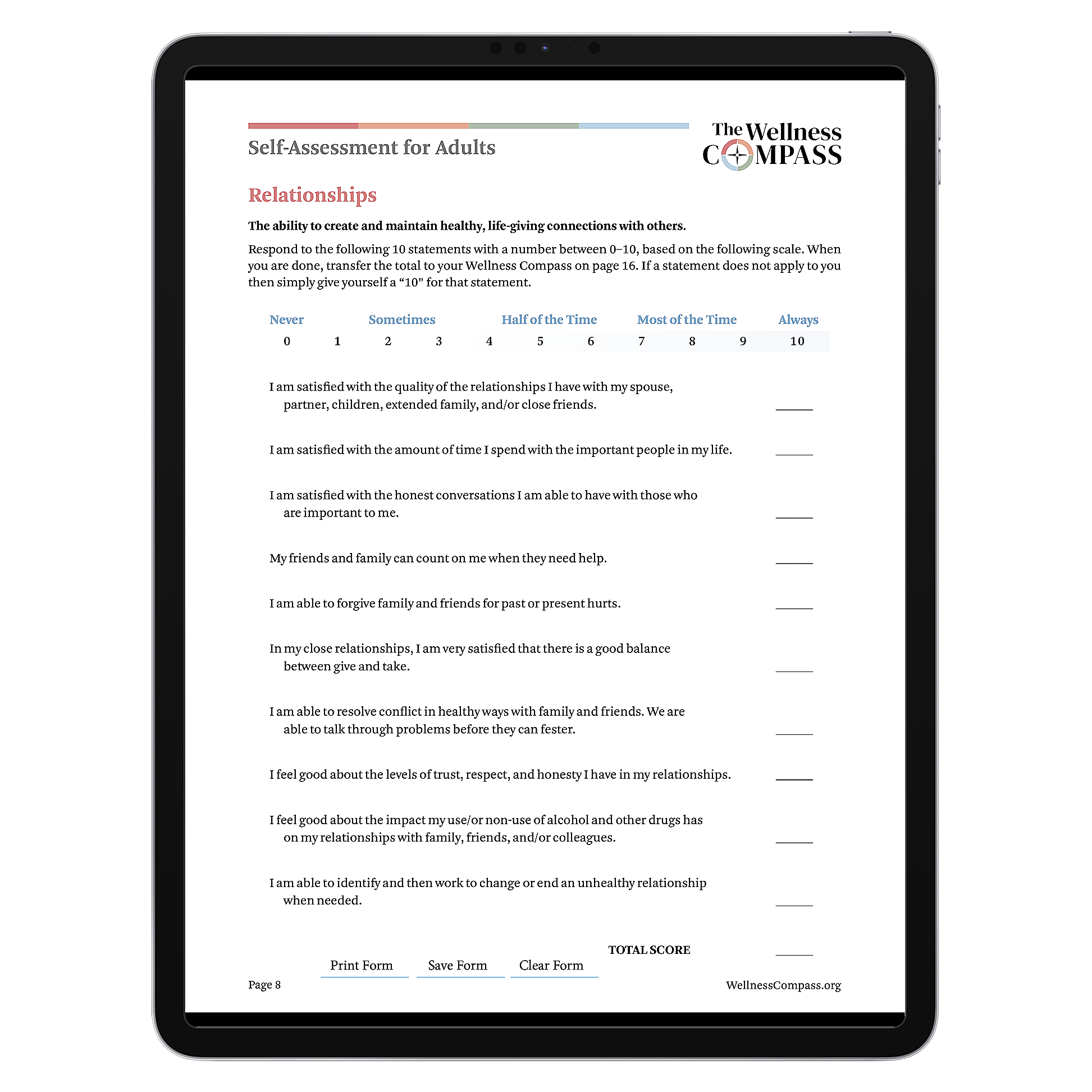
Picture this: You're sitting on your couch, tablet in hand, working through a few questions about your mood. The CalmAtHome self-assessment doesn't diagnose, but it helps clarify whether the emotional clues you've noticed might signal depression. After completing it, you have a better sense of whether reaching out for support is your next move.
If you'd like to reflect more deeply and see if your emotional clues line up with depression, take a private and educational mood self-assessment now. It's confidential and designed to empower, not label, you.
Recognizing early signs of depression, like persistent sadness, numbness, or irritability, can make a real difference. Early identification leads to better outcomes, helping you get support before symptoms deepen or disrupt your life.
If your mood has changed for weeks, or you notice numbness or irritability that just won't fade, consider reaching out. Research shows that early intervention is powerful. Starting with online resources or connecting to a therapist can make the process feel more accessible and less overwhelming.
Concrete Example: An adult notices their emotional numbness is starting to impact their work and relationships. Instead of waiting, they reach out to an online therapist for a first conversation, sometimes just that step alone lifts some of the weight.
There are many options for support, from online therapy to anonymous peer communities. Joining a supportive community or working with a professional isn't a sign of weakness, it's a proactive step toward well-being.
Sadness that lasts most of the day, nearly every day, for two weeks or more could indicate depression. The key difference is duration and persistence. According to APA guidelines, depression is diagnosed based on how long symptoms last and their impact on daily functioning. If you're unsure, try using a self-assessment and consider consulting a professional for clarity.
Yes, depression can occur without classic feelings of sadness. It often manifests as numbness, irritability, or emptiness. As Dr. A. Smith notes, "Depression doesn't always look like sadness; it can feel like emptiness or irritability." If these hidden emotional signs sound familiar, it can help to reflect on your mood or try a self-assessment for insight.
Self-assessments are safe and educational tools that help raise awareness about your emotional state. They are not clinical diagnoses, but they can prompt you to notice patterns or consider next steps. Research supports the use of symptom-checklists for self-reflection. If concerns persist, following up with a professional is a wise next step.
Depression differs from sadness in duration, impact, and emotional clues like numbness and irritability. Being aware of these signs empowers you to reflect early and seek support before things get harder. Remember, seeking help is a sign of strength, and it improves outcomes.
If you've been wondering whether your feelings are just sadness or something more, you're not alone. Many readers start out unsure and leave better equipped to understand their emotions and what to do next.
If you want to get a clearer sense of your mood, take CalmAtHome's mood self-assessment to better understand your feelings. It's empowering, private, and built to support your next step.
If you're considering talking to someone, explore professional online therapy options if you feel ready. Seeking support is always your choice, and you can take your time.
Your feelings matter, and you have the right to seek clarity and support on your own terms.
Explore why you feel empty inside after a breakup and learn practical ways to heal emotional numbness. Find comfort and support today.
Discover the latest early warning signs of depression in 2026. Learn to spot symptoms early and take proactive steps for your mental health today.
Learn how to tell if you're depressed with 7 key signs most people miss. Discover early depression symptoms, self-assessment tools, and next steps for mental health support.