How to Start Meditation for Trauma Healing: A Beginner’s Step-by-Step Plan
Learn how to start meditation for trauma healing with a safe, step-by-step plan that boosts emotional resilience. Begin your peaceful recovery today.
 Amanda Smith
If you've experienced trauma and want to try meditation to support your healing, it's natural to feel cautious. Many worry about triggering overwhelming emotions or 'doing it wrong.' Starting meditation for trauma healing requires a specialized, safety-first approach. This guide offers a practical, step-by-step plan designed for beginners, with clear safety measures and expert-backed strategies for emotional resilience.
Why Trauma Healing Needs a Specialized Meditation Approach
Standard meditation practices can sometimes make things worse for trauma survivors. That's because the usual instructions, like focusing inward, closing your eyes, or staying with difficult emotions, can stir up intense feelings linked to past trauma. You might sit down to meditate, close your eyes, and instead of calming down, feel a surge of anxiety or even panic. This is more common than it might seem.

Dr. Bessel van der Kolk, a leading trauma expert, cautions: "Standard meditation instructions can backfire for trauma survivors; a trauma-informed plan helps maintain safety within the window of tolerance." This is because trauma can leave the nervous system sensitive and easily overwhelmed. Instead of 'pushing through,' trauma-sensitive meditation focuses on safety, regulation, and gentle self-awareness.
What Makes Trauma Meditation Different
Trauma-informed meditation is designed to keep you safe. It prioritizes:
- Grounding: Connecting with the present moment through your senses or environment, not just your thoughts.
- Safety: Giving you full permission to stop, open your eyes, or shift your attention at any time.
- Working within your nervous system's window of tolerance: Avoiding strategies that might flood you with emotion.
For example, if closing your eyes sparks anxiety, it's better to leave them open or focus on an object in the room. The aim is not to unearth trauma memories, but to gently build resilience and safety within your own body and mind.
Next, we'll unpack the "window of tolerance", a key idea in trauma healing meditation.
Understanding the Window of Tolerance for Trauma Meditation
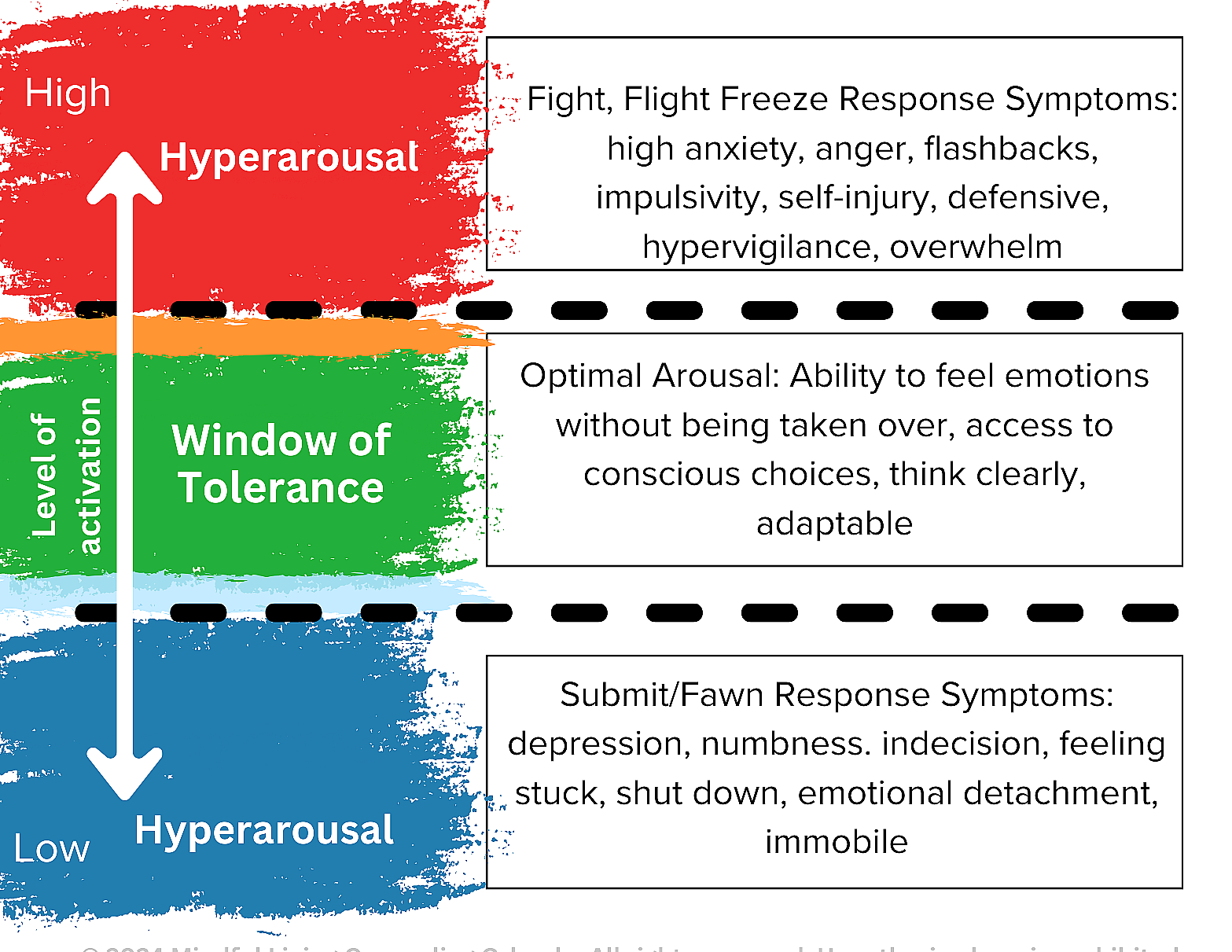
Staying within your window of tolerance is crucial for safe trauma healing meditation. The "window of tolerance" refers to the zone where your nervous system feels regulated and you can process thoughts and emotions without becoming overwhelmed. If you meditate outside this window, you risk entering states of distress, either hyperarousal (anxiety, panic) or hypoarousal (numbness, shutting down).
Trauma-informed meditation approaches emphasize staying within this window. According to recent research, "Trauma-informed meditation approaches emphasize safety by regulating the nervous system within the 'window of tolerance' rather than pushing through intense emotions."
The American Psychological Association also supports trauma-informed meditation that centers nervous system regulation and safety.
Imagine you're meditating and notice your heart racing or a wave of anxiety. Instead of "toughing it out," you might pause, open your eyes, or use a grounding technique, like feeling your feet on the floor, to bring yourself back within your window of tolerance.
Signs You're Within or Outside Your Window
How do you know where you are on this spectrum? Here are some cues:
- Within your window: You feel alert but calm, able to notice feelings without being swept away, and your breath is steady.
- Outside your window: You may notice racing thoughts, jittery energy, shallow breathing (hyperarousal) or, conversely, numbness, disconnection, and heavy fatigue (hypoarousal).
Recognizing these signs early lets you adjust your meditation practice for safety. It's not about endurance, it's about gentle, compassionate self-care.
Next, you'll learn how to build your own safety tools before you sit down to meditate.
Building Safety Resources Before Meditation
Before you begin trauma healing meditation, it's essential to gather inner and outer "safety resources." These are tools and mental anchors that help you feel grounded, calm, and secure, even when difficult emotions arise. Research highlights the importance of these resources: "Building inner and outer safety resources such as grounding techniques and safe place imagery is essential before exposure to trauma material in meditation." (Perplexity output research data topic_analysis current_trends)
Examples of safety resources include:
- Imagining a comforting figure (real or fictional) who helps you feel protected.
- Creating a detailed "safe place" in your mind, a beach, a room, or any environment that feels secure.
- Practicing grounding techniques, like feeling the texture of a soft blanket or pressing your feet into the floor.
These approaches borrow from Tara Brach's "resourcing then titration" method, which builds stability before introducing any challenging material.
Let's try a guided imagery exercise: Picture a place, real or imagined, where you feel completely safe. Notice the colors, smells, sounds, and textures. Imagine a supportive figure nearby (this might be a wise mentor, a loved one, or even an animal). Any time you feel anxious, you can return to this mental safe haven.
Grounding Techniques to Anchor Your Awareness
Physical and sensory grounding methods are practical tools before and during meditation. Examples include:
- Holding a textured object, like a smooth stone or a soft scarf.
- Naming five things you can see, four you can touch, three you can hear, two you can smell, and one you can taste.
- Moving your body: gentle stretching or shifting your weight.
Practicing these strategies helps anchor your awareness in the present and gives you a "way out" if meditation starts to feel intense.
The next section walks you through a complete, beginner-friendly trauma healing meditation plan.
A Step-by-Step Meditation Plan for Trauma Healing Beginners
A safe trauma healing meditation practice should be short, structured, and adaptable. Research recommends, "Short, highly structured guided meditation practices lasting 10-15 minutes are recommended for trauma healing beginners." (Perplexity output research data topic_analysis current_trends)
Here's what sets this plan apart:
- Exact timing: Each session is 10-15 minutes, so you know exactly what to expect.
- Clear posture instructions: Sit, lie down, or stand, whatever feels safest for you. No need to close your eyes unless you want to.
- "Stop if" guidance: If at any point you feel overwhelmed, open your eyes, shift your attention to the room, or stop entirely.
Daily Meditation Schedule and Script Overview
Sample 14-Day Trauma Healing Meditation Plan:
- Days 1-3:
- 10 minutes. Focus on grounding, notice the feeling of your body in contact with a chair or the floor. Eyes can stay open or gently closed.
- Use your breath as an anchor. If thoughts or feelings get strong, name what you feel and return to the ground beneath you.
- Days 4-7:
- 12 minutes. Add "safe place" imagery: Imagine yourself in a secure, peaceful environment. If anxiety arises, focus on sensory details in your imagined scene.
- Days 8-14:
- 15 minutes. Begin to notice thoughts and feelings as they arise, always returning to your grounding or safe place as needed. If anything feels too intense, pause or stop, this honors your nervous system's needs.
Posture instructions: Sit with feet flat on the floor or lie down with a blanket. Rest hands on your lap or chest for comfort.
"Stop if" guidance: If you notice your heart racing, breath quickening, or a sense of overwhelm, it's okay to open your eyes, move, or end the session. Returning to daily activities or grounding exercises can help you re-center.
Modifications for Comfort and Safety
- Keep your eyes open, gaze soft, or focus on an object in the room.
- Shorten the session to 5 minutes if that's what feels right.
- Use sensory supports, a favorite scent, a weighted blanket, or gentle music, to help you stay present.
Why structure matters: Trauma-sensitive meditation is not about "powering through," but about gentle, flexible experimentation. Consistent, brief sessions build resilience without overwhelming your system.
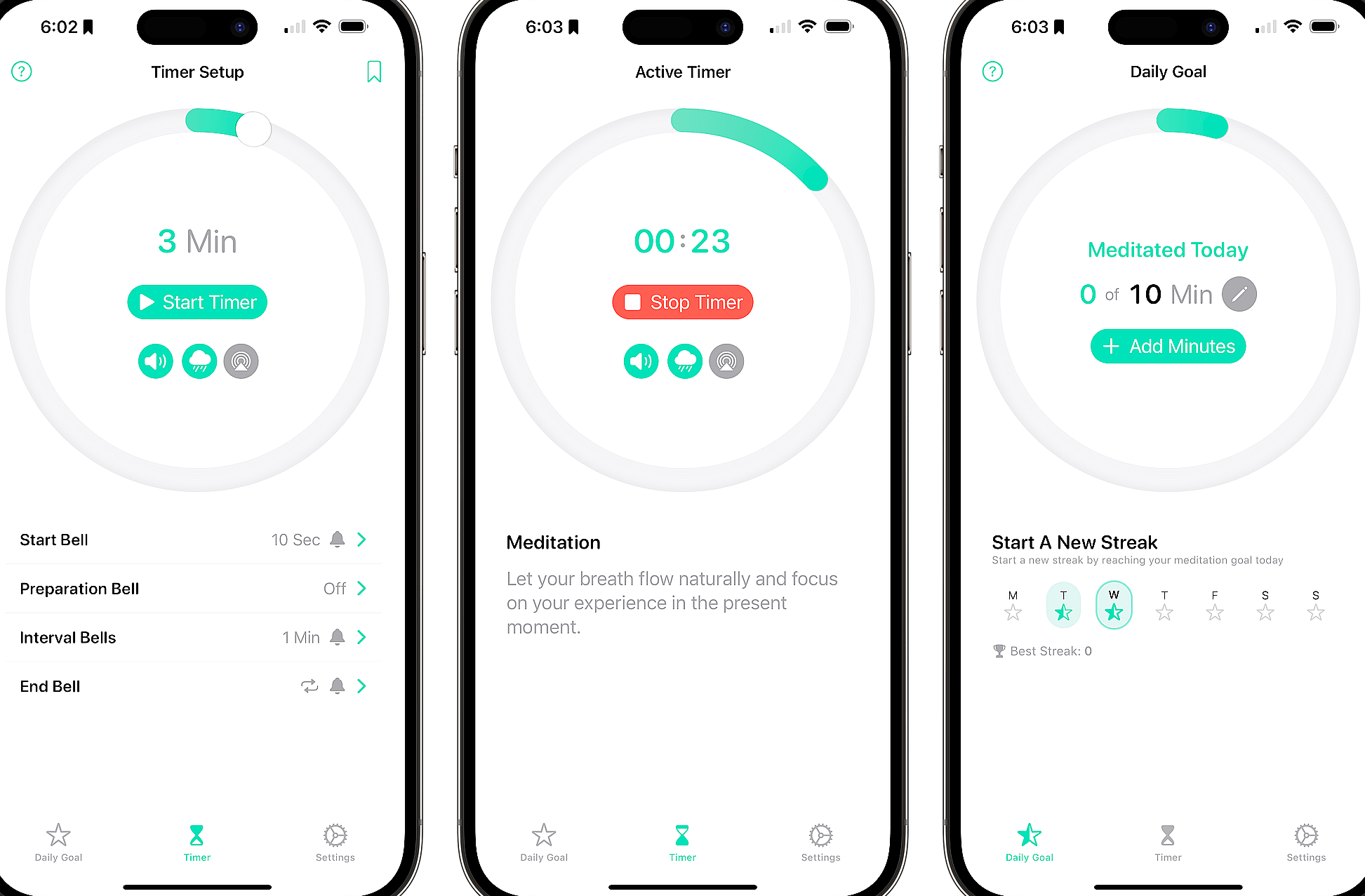
If you want extra support, CalmAtHome offers a guided Meditation Timer specifically tailored for trauma healing beginners. This tool lets you set session length, pace, and reminders to pause or ground, ensuring your practice remains safe and adaptable to your needs. Try our guided meditation timer tailored for trauma healing beginners.
The next section explains when meditating alone is enough, and when to bring in a trauma-informed professional.
When to Seek Professional Support and Integrate Therapy
Meditation can be a valuable support for trauma healing, but it's not a replacement for therapy. Knowing when to pause your solo practice and seek a trauma-informed therapist is vital for your safety and progress.
Some signs indicate that meditation alone may not be enough. For instance, if you experience overwhelming distress, panic attacks, or flashbacks during or after meditation, it's crucial to connect with a professional. These are "red flag" signals your nervous system needs more support than self-guided techniques can offer.
Imagine you attempt a meditation session and begin to feel your heart pound, your breathing speed up, or vivid images from past trauma intrude. In these moments, ending your session and reaching out for help is not a setback, it's a wise act of self-care.
Red Flags and When to Pause Meditation Practice
Pause your meditation and consult a licensed trauma-informed therapist if you notice:
- Flashbacks, dissociation, or feeling "out of body"
- Intense fear, panic symptoms, or uncontrollable crying
- Difficulty returning to a calm or grounded state after meditation
It's okay to take breaks or seek alternatives. Some find journaling or movement more accessible when meditation feels too activating.
Finding and Communicating with Trauma-Informed Professionals
When looking for support, search for therapists or meditation teachers trained in trauma-sensitive practices. In your first conversation, you might say, "I'm interested in meditation to support my healing, but sometimes I feel overwhelmed or unsafe. Can you help me find approaches that prioritize my safety?"
This opens the door for collaborative care, blending professional guidance with self-driven practices. Remember, there's no one-size-fits-all path, your comfort and well-being always come first.

Frequently Asked Questions
Can meditation make trauma symptoms worse?
Meditation can sometimes trigger distressing emotions if not done with trauma-sensitive techniques. Standard forms of meditation may overwhelm trauma survivors by stirring up intense memories or feelings that are hard to manage alone. That's why it's important to use trauma-informed approaches that prioritize safety and emphasize staying within your window of tolerance. If you're unsure, try guided trauma-informed meditation tools or consider consulting a therapist for personalized support.
Is it necessary to close my eyes during trauma meditation?
Closing your eyes during meditation is completely optional, especially for trauma survivors. For some, closing their eyes can increase anxiety or create a sense of vulnerability. Trauma-informed guidelines encourage keeping your eyes open or focusing externally to help maintain grounding and safety. It's best to honor your comfort level and make choices that help you feel secure and present.
How long should I meditate each day when starting trauma healing?
Short, structured sessions of 10-15 minutes are recommended for beginners in trauma healing meditation. These brief, guided practices are easier to tolerate and have research support for effectiveness. As you grow more comfortable, you can gradually increase the duration, but it's always best to start small and observe how your body and mind respond.
Final Thoughts: Safely Begin Your Trauma Healing Meditation Journey
Trauma-sensitive meditation prioritizes safety by regulating your nervous system within the window of tolerance. Building grounding and safety resources before meditation reduces the risk of distress. Short, guided, and structured meditation sessions help beginners ease into trauma healing at their own pace.
If you were feeling hesitant or unsure about how to start meditation for trauma healing, know that your concerns are valid and shared by many. This guide is here to support you in taking safe, empowering first steps.
To make your practice safer and more structured, start using our trauma-informed meditation timer for safe daily practice. This tool is designed to help you stay on track and honor your nervous system's needs each day.
If you feel you'd benefit from additional support, find a licensed trauma-informed therapist to support your healing journey.
Whatever pace you choose, remember: you're in control of your healing process. Trust yourself to pause, adapt, and ask for help whenever you need it.