
How to Identify Your Emotional Eating Patterns: A Step-by-Step Guide
Discover how to identify emotional eating patterns and build healthier coping skills with our step-by-step guide. Start your mindful journey today.
- Published at
Learn how to create a personalized screen detox plan with our daily checklist to reduce screen fatigue and improve focus and self-care.
Amanda SmithIf you're juggling endless emails, late-night scrolling, and notifications that never seem to stop, you may be wondering how to actually reduce your screen time without disrupting your life. Building a personalized screen detox plan is more sustainable, and more effective, than trying to follow rigid, generic advice. Here's how to create a realistic plan and a daily checklist that puts you in control of your digital wellness.
Generic "quit social media" challenges sound tempting but rarely lead to lasting change. Research shows that personalized digital detox plans, ones that reflect your real habits, needs, and values, are not only trending, but also more effective in the long run .
Many people feel frustrated and overwhelmed by broad screen time reduction tips that don't fit their realities. Maybe you're a working parent who needs to stay reachable for work, but your real goal is to cut down on mindless late-night scrolling. A personalized approach respects your unique situation, enabling you to set boundaries that align with your work, social, and mental health needs.

One-size-fits-all digital detoxes often fail because they don't account for how you actually use technology. For instance, cutting out screens completely isn't realistic if your job requires emails, video calls, or responding to messages after work hours. When detox plans ignore these realities, they usually create guilt, frustration, and quick burnout.
Customizing your screen detox plan allows you to set boundaries that improve focus, reduce fatigue, and support your mental health. The American Psychological Association (APA) supports setting digital boundaries that fit individual circumstances to boost mental well-being and productivity. Whether it's limiting social media scrolls during specific times or establishing tech-free zones at home, small changes add up to real improvement. Personalization increases your odds of actually sticking with the plan, and seeing the benefits.
Next, let's look at what's actually at stake when it comes to your sleep, focus, and mental health.
Reducing screen time isn't just about freeing up your schedule. It's directly tied to better sleep hygiene, reduced anxiety, and improved focus. According to guidance from sleep and mental health experts, cutting back on screens, especially before bedtime, can notably enhance your daily functioning .
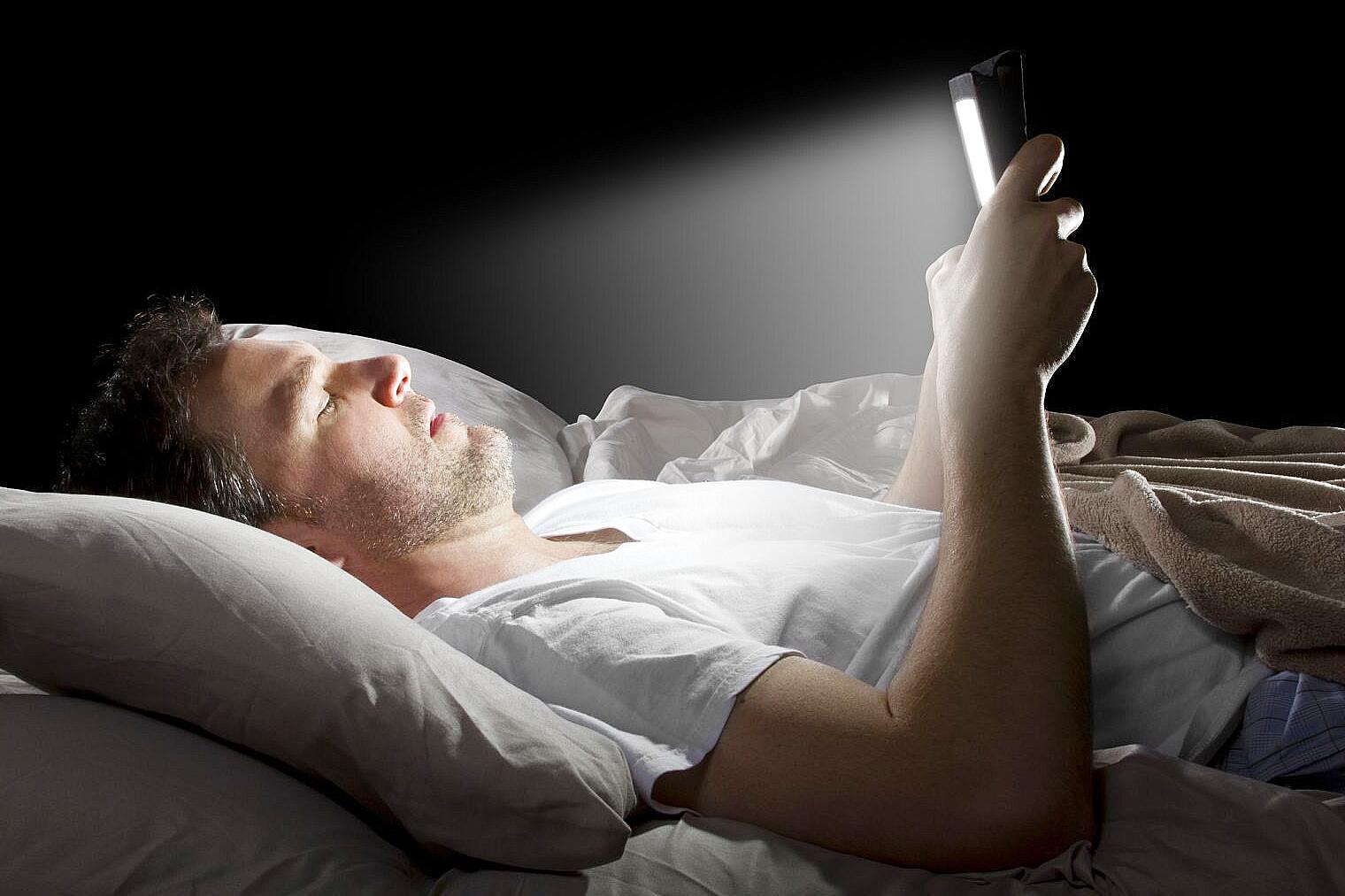
Using screens late at night can disrupt your circadian rhythm, making it difficult to fall and stay asleep. The National Sleep Foundation recommends spending at least one hour screen-free before bed to support healthy sleep habits. Blue light from devices suppresses melatonin, the hormone that signals your body to wind down, leading to trouble falling asleep and grogginess in the morning.
A common example: You're exhausted but find yourself scrolling through your phone at midnight. Even after putting the phone down, you can't fall asleep easily, and the next day, you feel sluggish and irritable.
Too much screen time, particularly from social media and constant notifications, can increase feelings of anxiety and reduce mood stability. The APA highlights that digital overload triggers stress, making it harder to focus and regulate emotions. If you notice that checking work emails or scrolling social feeds leaves you more anxious, you're not alone, recognizing this pattern is the first step toward change.
Understanding these impacts sets the stage for assessing your habits, and defining your own screen detox goals.
The first step in building an effective screen detox plan is honest self-assessment. When you're clear on where, when, and why you use screens, and which uses help or harm your well-being, you can set goals that actually stick. Research shows that aligning your plan with your values makes it more likely you'll follow through .
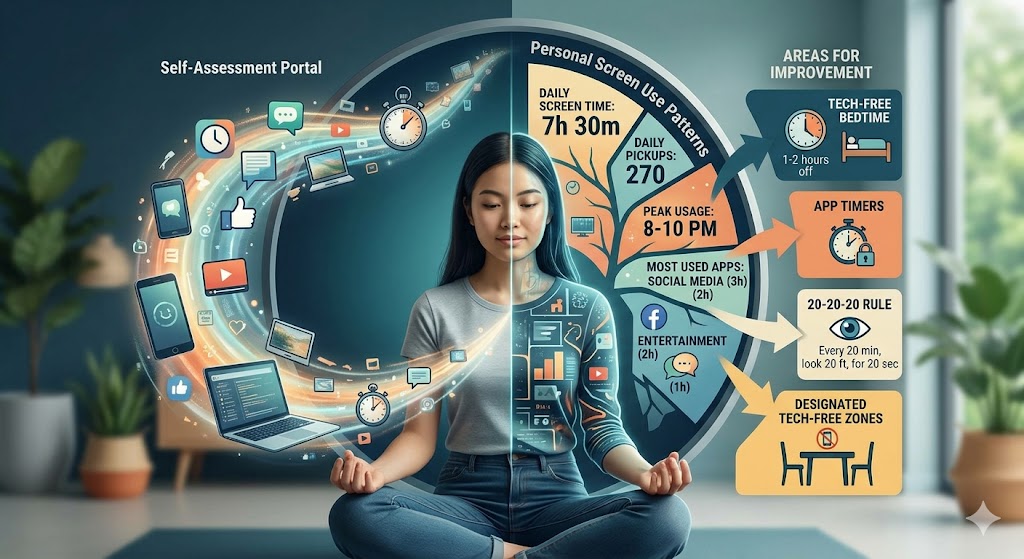
Start by observing your digital habits for a few days. Use your phone's built-in screen time tracker, or jot down how much time you spend on work emails, social media, streaming, and other apps. Note when you reach for your device out of boredom, stress, or habit.
A professional, for example, might notice that work-related screen use is unavoidable, but that doom-scrolling news during lunch breaks or binge-watching after midnight are more flexible. Identifying these patterns reveals where small changes will have the biggest impact.
If you want a structured, private way to clarify your digital use patterns, you can Discover your unique screen use patterns with a self-assessment. This can help you spot your main screen time triggers and see which activities you value most.
Tie your goals to outcomes that matter to you, like getting better sleep, having more time for family, or reducing anxiety. For instance, if you find that late-night phone use keeps you wired, a realistic goal could be setting a nightly phone curfew. If work messages interrupt your evenings, try scheduling "do not disturb" hours.
Setting goals with your real mental health needs in mind, rather than simply copying someone else's detox plan, builds commitment and makes change possible.
Once you have clear goals, you're ready to turn them into actionable steps with a personalized daily checklist.
Micro-boundaries and short-term digital wellness steps are the backbone of a personalized screen detox. Research in 2024 shows that daily actions, like turning off non-essential notifications and designating tech-free zones, are both manageable and effective at reducing screen fatigue.
Here are practical micro-boundaries and daily steps you can add to your checklist:
Expert Dr. Emily Chen notes, "Micro-boundaries in tech use, like turning off non-essential notifications, can substantially improve digital wellbeing."
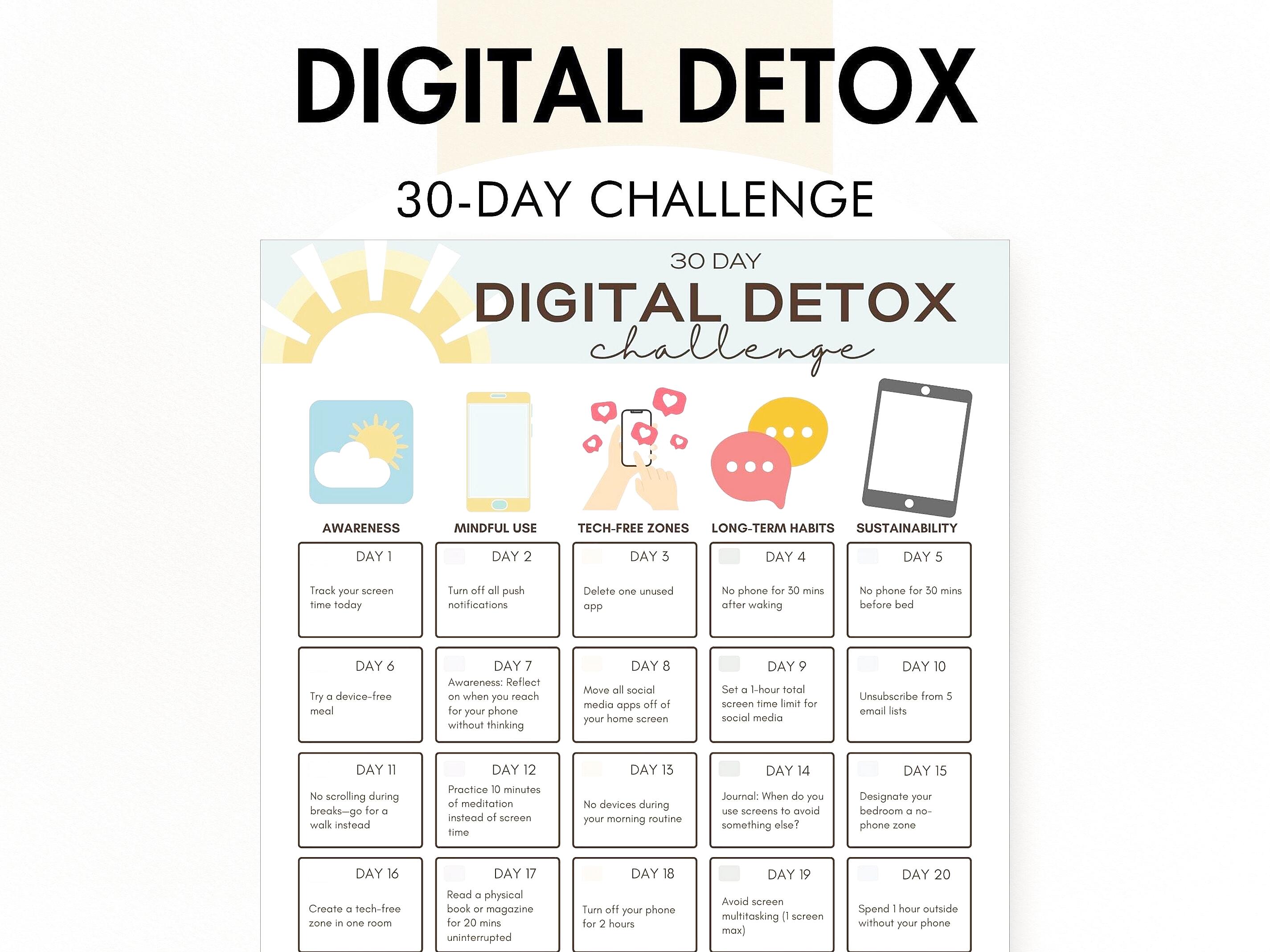
A 14-day checklist might include:
Short-term challenges, spanning 5, 14, or even 30 days, help you build habits gradually and celebrate small wins along the way. This makes it easier to stick with the plan and adjust as you go.
Consistency is key, but perfection isn't required. Use your checklist to note each day's successes and challenges. This helps you spot patterns, adjust your plan, and maintain motivation. If you miss a day, reflect on what happened without guilt, and tweak your checklist to be more realistic.
Support can make all the difference. If you're ready to take action, try integrating digital wellness timers into your daily routine. These tools can help you focus, limit screen time, and build new habits, one small step at a time.
Next, we'll look at how to stay on track when life gets busy or setbacks happen.
Even the best personalized screen detox plans have bumps along the way. Frustration with willpower, burnout from overly restrictive rules, and guilt after slip-ups are all common, but manageable, with a flexible mindset.
It's tempting to set strict rules like "no screens after 7 p.m.", but if these don't fit your real life, they're more likely to backfire. When your detox plan is too rigid, burnout quickly sets in. Flexibility allows you to adapt to work demands, family needs, or tough days without feeling like you've failed.
Missed your screen curfew after a stressful day? That's okay. The key is to practice self-compassion, reflect on what triggered the slip, and adjust your plan. For example, you might notice that you reach for your phone after a tough work call. Instead of giving up, update your checklist to include a short screen-free walk or breathing exercise when you feel stressed. This approach helps you stay motivated and build long-term digital wellness.
Short-term challenges of 7 to 30 days with daily micro-tasks are effective starting points. A 7-day plan helps you try out new boundaries and notice quick wins, while a 14-day or 30-day challenge builds longer-lasting habits. According to 2024 research, these timeframes improve adherence and make it easier to adjust your plan based on what works for you. It's okay to change the duration, let your needs and progress guide you.
Simple steps, such as turning off non-essential notifications, setting up tech-free zones, and switching your phone to grayscale mode, are proven to help reduce screen fatigue. Research highlights these micro-boundaries as effective parts of a daily checklist. Start with one or two actions you find manageable, and build your list as you gain confidence and see results.
Reducing your screen time can support better sleep, help relieve anxiety, and improve your mood. This connection is backed by research and guidance from organizations like the APA. For example, taking an hour away from screens before bed can boost sleep quality and lower stress. If you notice improvements, great, but if anxiety, sleep, or mood struggles persist, consider reaching out for additional support.
Personalized screen detox plans work because they fit your lifestyle and respect your needs. Daily micro-boundaries and a simple checklist can reduce screen fatigue in a way that feels sustainable, not punishing. Self-compassion and flexibility help you adapt and keep moving forward, even when life gets hectic.
If you started this article feeling drained or unsure where to begin, know that you're not alone, and you have options. To support your daily screen detox, Try CalmAtHome's wellness tools like breathing or meditation timers to support your screen detox. These tools make it easier to take mindful breaks and follow your checklist every day.
If you'd like to better understand your digital habits and mental health, Take a self-assessment to better understand your digital habits and mental health. It's private, educational, and can guide your next steps.
You get to decide what digital wellness means for you. Start small, stay curious, and know that change is possible, one mindful moment at a time.
Discover how to identify emotional eating patterns and build healthier coping skills with our step-by-step guide. Start your mindful journey today.
Discover why nighttime emotional eating happens and explore mindful evening self-care routines to regain peace and control over your habits.
Discover 7 proven micro-habits to improve your sleep quality tonight. Easy, quick steps for better rest and waking refreshed. Start your better sleep now!