
How to Identify Your Emotional Eating Patterns: A Step-by-Step Guide
Discover how to identify emotional eating patterns and build healthier coping skills with our step-by-step guide. Start your mindful journey today.
- Published at
Discover 7 proven micro-habits to improve your sleep quality tonight. Easy, quick steps for better rest and waking refreshed. Start your better sleep now!
Amanda SmithIf you drag through mornings feeling tired, you're not alone. Many adults juggling work and family want fast, manageable ways to improve their sleep, without having to overhaul their entire life. The solution? Micro-habits for sleep. These are tiny, easy-to-implement changes that only take a few minutes but can compound into deeper rest starting tonight.
Tiny, low-effort micro-habits of just 2-5 minutes can quickly improve your sleep by harnessing behavior design principles and habit stacking. According to current behavioral science, small shifts, like dimming your bedroom lights or setting your phone aside for a few minutes before bed, can make big differences over time. Micro-habits work because they're easy to start and stick with, unlike major lifestyle overhauls that often fail under real-life stress.
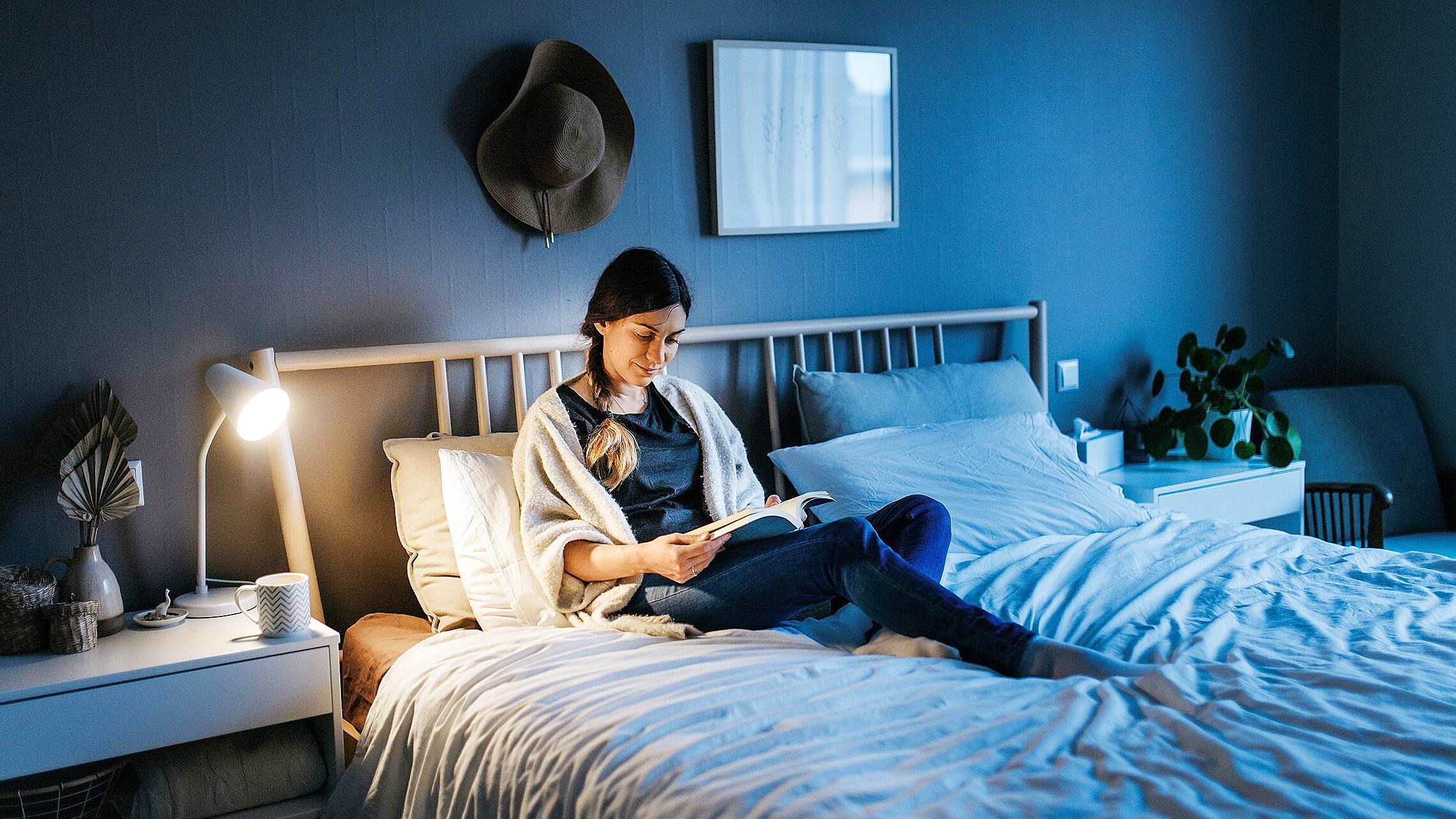
Imagine a busy professional who adds a quick, two-minute light dimming ritual right before brushing their teeth. Instead of trying to change everything at once, they simply stack one micro-habit onto an existing routine. Over time, these small actions build momentum and promote better sleep.
"Tiny, low-effort steps like dimming lights or putting your phone away at a set cue make sleep improvements stick." , Behavioral Scientist
Attaching a new sleep-friendly micro-habit to something you already do, like brushing your teeth, reduces the friction of starting. This principle, known as habit stacking, is why these tweaks work so well: the more seamless the habit, the more likely it is to last.
When you build one micro-habit at a time, you create a nighttime routine that feels natural, not forced. Up next is one of the simplest changes you can make tonight: setting a device buffer.
Reducing blue light exposure by creating a device buffer 30-60 minutes before bedtime is a proven way to improve sleep quality. You don't need to go screen-free all evening, a gradual buffer is both realistic and effective. Research shows that a 30-60 minute device buffer can meaningfully reduce blue light, setting the stage for better rest .
It's a myth that you must completely eliminate screens right before bed. Instead, try enabling night shift or do-not-disturb on your devices. For example, a working parent might put their phone on do-not-disturb 45 minutes before bed. That small, intentional step stops late-night notifications from triggering your brain to stay alert, while still letting you unwind on your terms.
Start small:
These micro-habits make the change feel manageable. Next, let's adjust your bedroom lighting for another powerful cue your body can't ignore.
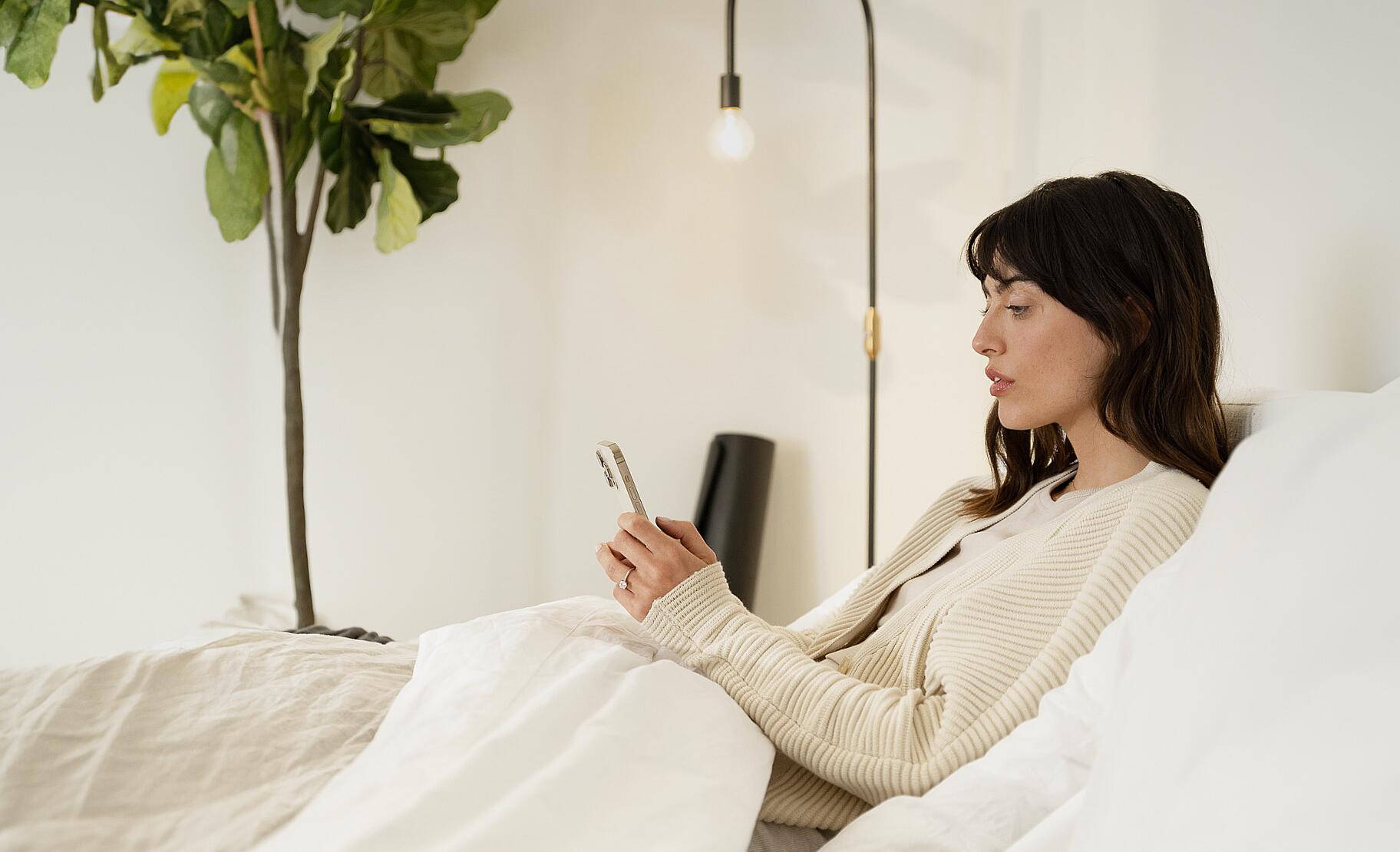
Dimming your lights in the hour before bed triggers natural melatonin release and signals your brain to wind down. This micro-habit can be completed in under a minute but has an outsized impact, environmental tweaks like changing lighting are among the easiest, most sustainable sleep upgrades.
Switching to warm, dim lights about 45 minutes before bedtime is all it takes. Imagine walking into your room and turning on a bedside lamp with a warm hue. You're telling your brain it's time to slow down, setting up your body for natural rest.
Behavioral science confirms that tiny, low-friction steps, like simply dimming your lights, are easier to adopt and sustain for better sleep (APA on behavioral science). Combining light dimming with your screen buffer or another micro-habit makes these effects even more powerful.
To make this transition even smoother, you might consider using a guided meditation timer. Access CalmAtHome's guided meditation timer to help calm your mind. Even a short, calming meditation can reinforce your brain's signals to power down.
Maintaining a cool, quiet sleep environment through small, quick tweaks enhances sleep quality every night. Micro-habits like adjusting your thermostat, turning on a fan, or starting a white noise app take just moments but significantly reduce nighttime disruptions.
For example, before bed, you might turn on a fan or white noise machine and make sure your room is slightly cooler than the rest of your home. These "set-and-forget" tweaks remove friction, you make the adjustment once, then let your environment do the rest.
These environmental micro-routines make falling and staying asleep much easier. Next, we'll harness the power of calming your mind right before bed.
Short guided breathing or meditation sessions before bed are micro-habits that help reduce stress and gently transition your mind from busy to calm. These wellness tools fit easily into your nightly routine and only take a few minutes.
A stressed professional, for example, might use a five-minute meditation timer after getting into bed. They focus on their breath, let racing thoughts move through, and signal to their nervous system that it's safe to relax, making it easier to fall asleep.
If you want to try this now, start a guided breathing session to relax before sleep. Even one session can help quiet your mind and make sleep come more naturally.
Practicing gratitude journaling right before bed is a validated micro-habit for shifting your focus from stress to positive thoughts. Taking two to three minutes to jot down three things you're grateful for can ease mental tension and support a calmer sleep mindset.
Imagine someone sitting at their bedside, writing a quick gratitude note before turning off the light. This small act shifts their attention from worries to what went well, creating a positive frame for sleep.
Looking for a gentle way to make this routine stick? Use the gratitude journal tool to cultivate positive thoughts before bed.

Maintaining a consistent bedtime, even when life is hectic, is one of the most effective micro-routines for sleep hygiene. Small, achievable steps like setting a nightly alarm or reminder can reinforce your body's natural sleep rhythms, making rest feel more automatic.
A working parent, for instance, might set a phone alarm every evening at 10:15pm. That gentle nudge signals it's time to start winding down, even if the day didn't go perfectly. Regular timing helps all your other micro-habits stack up for better results.
Consistency doesn't mean perfection. Over time, your body will learn these cues and falling asleep will get easier.
While micro-habits can significantly improve sleep for many people, they're not a universal solution. If you notice continued sleep issues despite consistent effort, connecting with a licensed therapist can help you uncover underlying causes and receive tailored guidance.
For example, a reader who's tried several micro-habits but still struggles to fall or stay asleep might explore therapy as their next step. Seeking help is a proactive, empowering choice, and it can be combined with your existing sleep routine for best results.
Licensed therapists can:
If you're ready to take the next step, find a licensed online therapist to support your sleep journey. Not sure if therapy is right for you? You can also start with a self-assessment to understand your sleep needs better, it's a simple way to clarify what might help next.

Yes, small changes like dimming your lights or setting up a device buffer can start improving your sleep quality tonight. Behavioral science shows that tiny, low-friction steps are easier to adopt and sustain, making change more manageable and lasting. Trends support that these micro-habits can lead to fast improvements.
If you're curious how this feels in practice, try using CalmAtHome's meditation timer before bed and notice if winding down gets easier.
Complete avoidance isn't required. A realistic 30-60 minute screen buffer, combined with strategies like enabling night shift or do-not-disturb, can reduce blue light's effect on your sleep. trend 5 disproves the myth that total elimination is necessary.
Try the device buffer micro-habit tonight and see if your wind-down feels less jarring.
If sleep difficulties persist even after trying these micro-habits, professional support may help. Licensed therapists specializing in sleep and mental health can offer personalized solutions. It's normal to need extra support, and reaching out is a strength, not a weakness.
Consider using CalmAtHome's therapist matching for individualized care if you're unsure where to start.
Let's recap: Seven simple micro-habits, each taking just a few minutes, can boost your sleep quality starting tonight. Layering these habits and sticking with them consistently will stack their benefits, making better sleep more sustainable.
You don't have to fix everything at once. Start with one micro-habit tonight, and let yourself build from there.
Discover how to identify emotional eating patterns and build healthier coping skills with our step-by-step guide. Start your mindful journey today.
Discover why nighttime emotional eating happens and explore mindful evening self-care routines to regain peace and control over your habits.
Learn how to create a personalized screen detox plan with our daily checklist to reduce screen fatigue and improve focus and self-care.