Gullibility Test
I frequently discover I've been fooled only after the fact.
Others sometimes describe me as somewhat innocent or trusting.
Recognizing when someone is trying to deceive me doesn't come naturally to me.
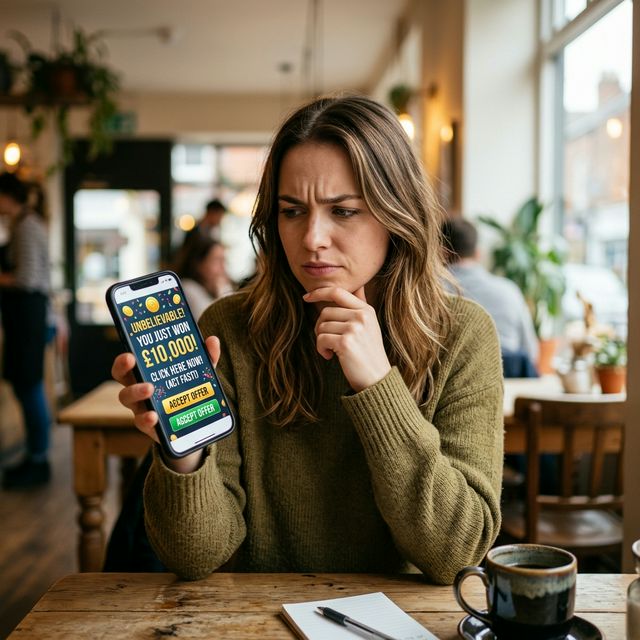
An email announcing I won a prize would likely make me believe it and feel thrilled.
My relatives often say scammers would have an easy time with me.
I can usually spot when someone is attempting to cheat me right away.
With new acquaintances, I tend to give them the benefit of the doubt.
Being deceptive or manipulative toward others would be hard for me to do.
I'm inclined to trust people who show warmth and kindness toward me.
If a stranger approached me with an urgent need for money, I'd probably hand it over without hesitation.
It often takes me some time to realize when someone is being dishonest with me.
I make it a point to think things through carefully before deciding.
I'm generally open to believing in ghosts, spirits, or paranormal phenomena.
My friends often remark that I'm not hard to trick or mislead.
If there's someone who might fall for a scam, it's probably me.
I'm usually pretty adept at figuring out when someone is trying to trick me.
I tend to respect and follow the lead of those in authority.
When an expert speaks, I typically take their word for it without doubting.
I trust my gut feelings more than overthinking or analyzing situations.
In general, I'm someone who can be influenced or swayed without much difficulty.
20 questions remaining
Things to Know
- It's normal to be a little gullible, and it can even be a good thing. It means that the person is probably trusting, positive, agreeable, and not too cynical.
- Studies indicate that gullibility may constitute a persistent personality trait, rendering individuals more susceptible to various forms of scams. They often don't see signs that someone isn't trustworthy because they are "deception blind."
- People who are gullible may be because they want to fit in, respect authority without question, are too sure of themselves, or can't control their impulses or think critically.
- Some people are more gullible than others, but everyone is more gullible than they think. Daily gullibility is often hard to see, like when you pay a lot for something from a salesperson.
- People can become less gullible by using a variety of strategies, such as looking at evidence, checking sources, thinking critically, figuring out motives, and judging how sure they are.
Make a Difference
Take a beat: If you tend to believe anything, wait a little while before making a deal, giving someone money, or getting into a relationship too quickly so you can think about it.
Be critical. Is the situation possible? Why or why not? Don't let your emotions or gut feelings guide you.
Get therapy.A mental health professional can help you figure out if someone is taking advantage of you and change how you think and act.