Social Anxiety Test
Speaking in front of groups is something I typically steer clear of.
I'm usually quick to respond when my phone rings or a message comes through.
I'd describe my personality as somewhat reserved or timid.
I genuinely like connecting with strangers and striking up conversations.
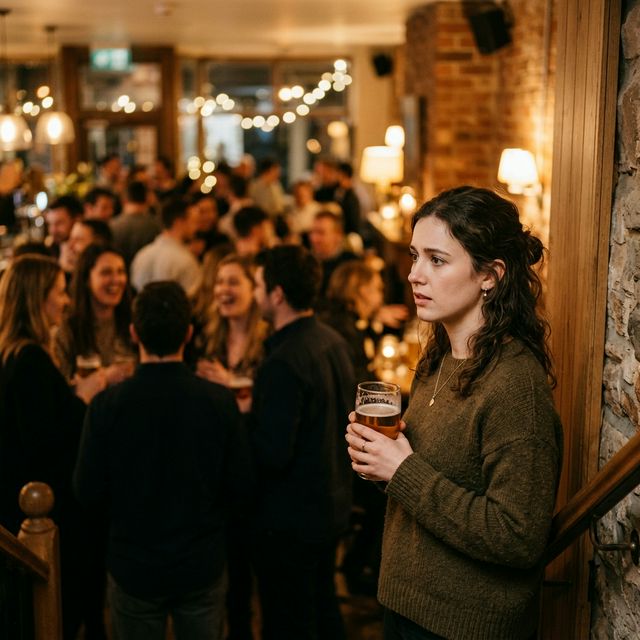
The thought of going to a party this weekend makes me anxious for days beforehand.
Work meetings are my least favorite part of any job.
If I have a different opinion, I tend to keep it quiet rather than speak up.
Parties feel more manageable for me after I've had a drink or two.
Starting a conversation with someone I'm attracted to feels challenging.
I feel confident that others are interested in my thoughts and opinions.
In social situations, I often experience physical symptoms like blushing, sweating, or a racing heart.
I make an effort to project my voice and speak clearly in conversations.
Talking to authority figures like bosses or teachers can make me feel anxious.
I prefer not to participate when others invite me to sing or dance.
I'm perfectly fine with having no social commitments over the weekend.
Even with familiar people, I find myself feeling embarrassed quite often.
I've made up excuses to skip social events or leave them ahead of time.
I tend to choose restaurants where I won't be easily observed by others.
I spend considerable time planning my interactions and topics before attending any social gathering.
Maintaining eye contact during conversations can feel awkward or unsettling for me.
20 questions remaining
Things to Know
- Most people feel scared or uncomfortable before giving a speech or going on a first date, but people with social anxiety disorder may feel these things before, during, and after these events, as well as in situations that don't seem as stressful.
- People with full-blown social anxiety often have physical symptoms like nausea, sweating, a racing heart, shaking, and trouble speaking.
- It's normal to feel embarrassed after making a mistake or hurting someone's feelings, and this can often lead to a positive learning experience. People with social anxiety disorder, on the other hand, are so afraid of being judged that they may expect to be embarrassed even when it is not likely to happen.
- Social anxiety is a fairly common disorder that affects about 7% of adults in the U.S. over the course of a year. It seems to run in families, usually starts in childhood or adolescence, and is more common in women.
- Some people only feel social anxiety in certain situations, like when they have to speak in front of a group of people, sing, dance, or compete in sports. They don't feel it at parties or restaurants.
Do Something Now
Get ready for social events: If you're worried about an event coming up, try to change your thoughts from what could go wrong to what should go right.
You don't have to avoid other people. Having social anxiety doesn't mean you don't like people; in fact, people with it may want to be around others but are too afraid to do so.
Talk to a therapist: If you feel anxious in one or more social situations, a mental health professional can help you feel better and maybe even give you treatment.