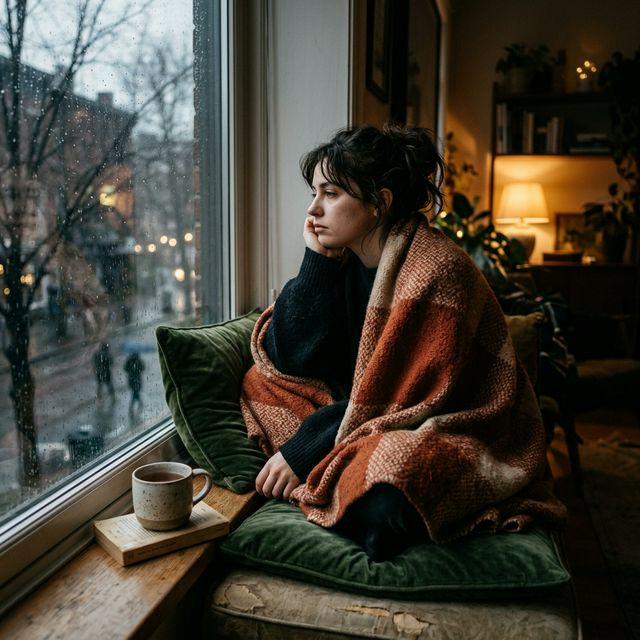
Seasonal Affective Disorder Test
During winter months, my emotional state tends to decline noticeably.
Shorter daylight hours often disrupt my sleep patterns.
Severe weather conditions sometimes trigger impulsive reactions from me.
At least once annually, seasonal shifts bring feelings of despair.
My emotional state remains relatively stable across all seasons.
As my preferred season ends, I experience growing anxiety.
Winter brings out my most sociable side.
My body weight changes during specific times of the year.
Cold winter weather makes life feel less pleasurable.
Winter months sometimes trigger feelings of inadequacy.
Summer heat tends to suppress my appetite.
Colder temperatures make me want to sleep longer.
I experience restless phases that last several months.
Even with reduced daylight and colder weather, I maintain normal energy levels.
Seasonal changes affect my ability to focus at times.
Spring's arrival feels like clearing mental haze.
Certain seasons bring intrusive thoughts about mortality.
Winter weather creates cravings for unhealthy foods.
Limited daylight during winter makes me feel lethargic.
The beginning of autumn doesn't excite me.
20 questions remaining
What to Know
- SAD happens more often in women than in men. It also happens more often the further away from the equator you go, probably because there is less sunlight in the winter months.
- Most people have their first SAD episode in their late teens or early twenties, but it can happen earlier or later.
- Light therapy is often the first treatment for seasonal affective disorder. If someone doesn't get better in a few days, other treatments like antidepressants may be tried.
- People with a family history of mental illness are more likely to get SAD. When you work with a therapist, make sure to talk about your family's mental health history.
- Even people who don't have a formal diagnosis may benefit from light therapy in the winter months.
- SAD is most common in the winter, but a small number of people have SAD symptoms in the summer.
Now is the time to change
Easy changes to your daily life that can help you sleep better and feel better
Get some natural light as soon as you wake up. Morning light exposure helps your body's internal clock stay on track and helps you sleep better. If you wake up before the sun rises, go outside as soon as it does to get the most out of it.
Stick to a regular sleep schedule: Going to bed and waking up at the same time every day, even on weekends, helps your body's natural sleep cycle get deeper, more restorative sleep. Try to keep any changes to your schedule to within an hour.
Use a SAD (Seasonal Affective Disorder) light box for 20 to 30 minutes every morning. It mimics natural sunlight and helps your brain release mood-boosting hormones that it would get from being outside in the sun. This is especially helpful in the winter when the days are shorter.