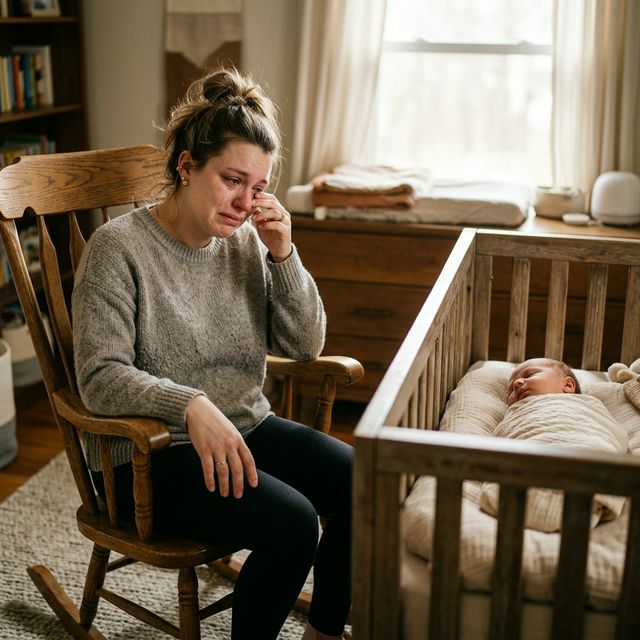
Postpartum Depression Test
Since having my baby, I've been experiencing sudden waves of sadness or anger that seem to come out of nowhere.
Getting through my daily responsibilities has become a real struggle for me.
My thoughts feel foggy and unclear, making it hard to focus or make decisions.
Tears keep flowing even when I try to hold them back.
Being near my newborn or my other kids makes me feel unusually nervous and on edge.
I'm going through the childcare routines mechanically, without any emotional connection to what I'm doing.
I constantly believe I'm failing at being a mother in every possible way.
I can't shake the fear that something terrible might happen to my infant.
Occasionally, disturbing thoughts about harming myself or my baby enter my mind.
I don't feel capable of providing the care my baby needs right now.
Forming an emotional attachment with my newborn feels like an impossible task.
I carry a heavy sense of guilt because I think I'm not measuring up as a parent.
Activities and hobbies that once brought me joy no longer hold any appeal.
Deep, persistent sadness has become a regular part of my daily life.
I frequently feel intense anger that's hard to control or understand.
A feeling of hopelessness about the future weighs on me constantly.
The responsibilities of being a mom feel too heavy for me to handle.
Even when I'm exhausted, falling asleep or staying asleep is a real challenge.
Most days, I feel completely swamped and unable to keep up.
I feel cut off from others and alone in my experience.
20 questions remaining
What You Should Know
- One out of every eight new mothers has symptoms of postpartum depression in the year after giving birth, and the number seems to be going up.
- Women who have been abused or who live in an unstable home may be more likely to get postpartum depression.
- Some hormones drop quickly after birth, which is thought to be one of the causes of postpartum depression.
- Being a new parent can be all-consuming and lonely at first, so it's important to stay in touch with friends and family.
- All new moms need help from their partners, family, and friends in the days and weeks after giving birth, but this is especially true for moms who are at risk of getting postpartum depression.
Change Things Now
Make sleep a priority. Take a nap when your baby does. Fatigue can make postpartum depression worse.
Reach out: Talking to other new moms and sharing your worries can help you feel better and get information.
Think about getting help. Talk therapy and medication that is specific to postpartum depression can both be helpful.