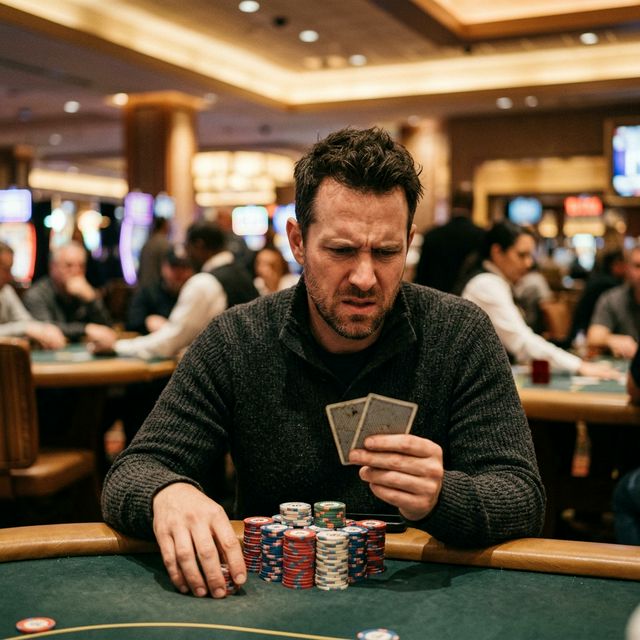
Gambling Test
When I'm feeling down or dealing with other life issues, gambling becomes appealing to me.
I've ended up betting or losing more cash than I originally planned to.
After losing money while gambling, I often feel compelled to come back later to try and win it back.
There are moments when I question if I might be relying too much on gambling.
I can always quit gambling whenever I decide it's time to stop.
My gambling habits have led to me building up a substantial amount of debt.
I've kept my gambling actions or the money I've lost hidden from people close to me.
To fix urgent problems caused by gambling, I've had to ask others for loans.
Occasionally, I feel guilty about my urge to gamble.
A lot of my mental energy goes into gambling thoughts—replaying old bets, organizing future ones, or figuring out funding for gambling.
I've never turned to illegal actions to support my gambling behavior.
I get intense urges or a powerful longing to place bets.
When I try to quit or reduce my gambling, I become agitated or easily annoyed.
People in my life have directly asked me if I might have a gambling addiction.
My gambling has put important personal relationships or my job at risk.
I've made attempts to stop gambling before, but I've always ended up returning to it.
I use gambling as a way to escape or ease the negative feelings I get when I'm not doing it.
Because of gambling, I've skipped out on responsibilities at work or school.
I've sometimes missed family duties when gambling opportunities came up.
To get the same thrill, I notice I'm putting larger sums of money on the line.
20 questions remaining
Things to Know
- Addiction happens when the brain's normal pathways of pleasure are messed up. For example, gambling gives you intense, but short-lived, rewards, which changes the way your brain works in ways that make it harder to control the appeal of a reward.
- Studies indicate that the events occurring in an individual's life, particularly those that are absent, significantly influence the enjoyment derived from gambling.
- Having a good job, feeling good about yourself, and having close relationships with family and friends are all good ways to keep yourself from gambling too much.
- People who are addicted to gambling may not realize that their behavior is hurting themselves or other people because addiction affects the brain's executive functions.
- A lot of people in their early 20s are now betting on sports, which is the fastest-growing group of gamblers and has a high chance of developing gambling problems.
Change Things Now
Improve your ability to deal with stress. Not being able to handle stress is a big reason why people have gambling problems.
Go see your doctor. Addiction is often a way to hide a deeper issue, like depression, anxiety, attention deficit disorder, PTSD, or chronic pain, all of which can be treated.
Set strict limits: To keep gambling from becoming a problem, set strict limits on how much you can spend and set an alarm to remind you how long you've been gambling.