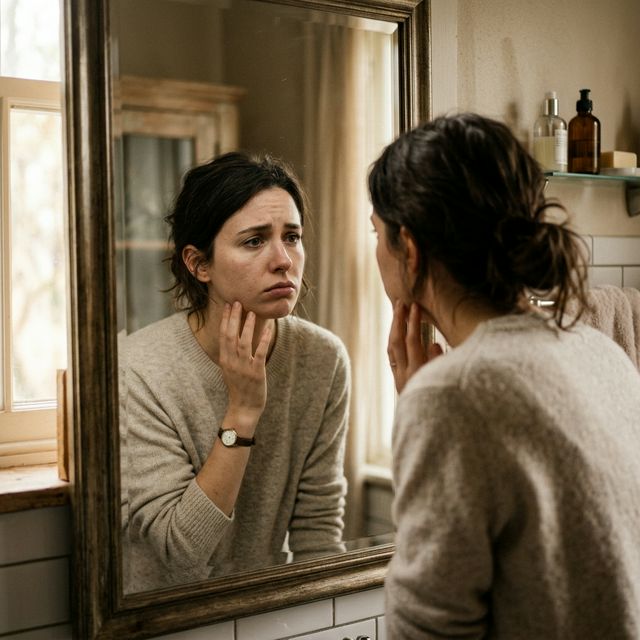
Body Dysmorphia Test
I often find myself dwelling for extended periods on aspects of my physical appearance that bother me.
The time I dedicate to styling my hair or caring for my facial features tends to exceed what most people around me consider typical.
There are moments when I catch myself frequently checking mirrors to examine specific facial features or body areas that I'm dissatisfied with.
Despite receiving compliments or reassurances from others, I remain convinced that my appearance is unappealing or even ugly.
No matter how much effort I put into improving how I look, I still end up feeling disappointed with the results.
My preoccupation with appearance-related thoughts or attempts to alter my looks has negatively impacted my responsibilities at work, school, or in personal relationships.
I'm certain that other individuals notice the same physical imperfections that I'm fixated on when they look at me.
I frequently wish I could reduce the amount of mental energy I devote to thinking about my physical appearance.
It's common for me to seek validation from others by asking if they share my negative opinions about my looks.
The behaviors I engage in to manage my appearance, such as skin picking, excessive tanning, or frequent outfit changes, create significant emotional strain.
Certain physical characteristics of mine provoke intense feelings of dislike or dissatisfaction within me.
Concerns about my appearance have led me to skip out on social events, activities, or opportunities I might have otherwise enjoyed.
I make considerable efforts to conceal what I perceive as physical flaws through strategic clothing choices or makeup application.
I regularly find myself measuring my physical appearance against that of other people I encounter.
I often experience feelings of embarrassment or shame about going out in public looking the way I do.
I've undergone multiple cosmetic treatments or surgical procedures, or I've invested substantial time contemplating whether to pursue them.
Sometimes I get the impression that people are making fun of or laughing at my physical appearance behind my back.
Focusing on what I believe is wrong with my appearance tends to trigger feelings of sadness or depression.
My attempts to fix perceived appearance issues have sometimes resulted in actual harm to my hair, skin, or facial features.
I tend to avoid making direct eye contact with others because I don't want to draw attention to my appearance.
20 questions remaining
What You Should Know
- Around 2.4% of adults in the U.S. have body dysmorphic disorder. This is more common in women and affects at least 8% of people who have cosmetic surgery. Before they turn 18, two-thirds of people with body dysmorphia start to feel it.
- People with body dysmorphia often focus on just one part of their body, like their nose, hair, body hair, skin, lips, stomach, chest, or eyebrows.
- People with body dysmorphia may spend three to eight hours a day worrying about how they look and may pick at their hair or skin all day.
- People who were neglected or abused as children are more likely to have body dysmorphia. It also seems to be more common in people who have a parent or sibling with OCD.
- Some people with body dysmorphia know that their negative thoughts about their looks aren't true, but most people are almost or completely sure that their wrong or even delusional feelings about their bodies are true.
- People with muscle dysmorphia, also known as "bigorexia," may work out all the time because they think they are too small or not muscular enough.
Now is the time to change
Improve how you see your body. Studies show that taking some time to think about the good things your body does for you can help you feel better about it.
Your flaw is not on their radar. The idea that other people are always noticing and judging a flaw in your appearance is almost always wrong; it's an example of the cognitive bias known as referential thinking.
Think about getting therapy. If people around you have told you that you care too much about how you look, or if you feel like you're thinking about it too much, a therapist could help.