
Why Do I Overthink? Understanding Causes & How to Stop It Today
Discover why you overthink and learn effective techniques to stop overthinking today for better emotional wellbeing. Find relief and start now.
- Published at
Discover effective emotional regulation skills to manage overwhelm and prevent burnout. Learn practical tools and take control of your emotional health today.
Amanda SmithFeeling constantly overwhelmed and emotionally drained isn't just a signal that you have too much on your plate. More often, it reveals a struggle with emotional regulation skills, your ability to manage, process, and recover from strong feelings. Understanding and strengthening these skills is the key to managing overwhelm and preventing burnout before it takes hold.
Emotional overwhelm and burnout aren't just about working long hours or having too many responsibilities. They stem from deeper challenges in managing emotional responses, affecting both mental and physical well-being. Burnout is more than a workload issue; it's rooted in ongoing emotional regulation failures. If you find yourself feeling emotionally fatigued, unable to recover after stress, or noticing that your quality of life is slipping, you're not alone.

Emotional overwhelm happens when strong feelings pile up faster than you can process them. For adults juggling work, family, and personal expectations, it can appear as irritability, anxiety, or emotional shut-down, often at the worst possible times. Imagine a mid-level manager who, after back-to-back meetings, comes home exhausted and unable to mentally detach. Even small requests from family feel like "too much." That's emotional overwhelm in action.
Burnout doesn't appear overnight. It grows from repeated struggles to manage emotional reactions over weeks or months. According to recent topic analyses, burnout is a chronic emotional regulation failure, marked by persistent rumination, emotional suppression, and lack of recovery. As Dr. Christina Maslach, a leading burnout researcher, puts it: "Burnout is not simply a workload issue but a breakdown in the brain's emotional regulation systems." When you can't effectively process stress, your system never truly recovers, setting the stage for burnout.
If your daily life feels like wading through emotional molasses, the next step is to understand why burnout is an emotional regulation breakdown, not just a sign you need a vacation.
Burnout is best understood as a breakdown in your brain's emotional regulation systems. It's not just about having too much to do; it's about how you deal with what you feel. Persistent rumination, replaying stressors over and over, fuels exhaustion. Suppressing your emotions, rather than dealing with them, adds another layer of fatigue. When you don't allow yourself emotional recovery, burnout risk skyrockets.
Rumination means getting stuck on negative thoughts or events, which can keep stress fresh long after the original trigger has passed. For instance, a remote worker might replay stressful emails for hours, unable to let go, even during downtime. This mental loop saps energy and blocks emotional recovery, making it hard to recharge between work sessions.
It's common to try pushing away uncomfortable feelings, but this strategy usually backfires. Suppressing emotions doesn't resolve them; instead, it increases distress over time. The research is clear: chronic suppression is a hallmark of burnout and leaves you even more depleted. As Dr. Maslach explains, burnout isn't just about tasks, it's how your brain fails to manage and recover from strong emotions.
The next section unpacks why building strong emotional regulation skills is the foundation for mental health and resilience, not just burnout prevention.
Strong emotional regulation skills are essential for your mental health and resilience. They don't just help you get through tough days, they actively protect against anxiety, depression, and stress-related burnout. Emotional regulation is considered a core pillar of mental health and resilience, shaping how you respond to life's ups and downs.
Emotional regulation is your capacity to notice, process, and adjust your emotional responses in a healthy way. It involves skills that let you pause, reflect, and respond thoughtfully instead of reacting impulsively. For example, a healthcare worker facing back-to-back high-pressure shifts might use these skills to acknowledge stress, reset with a short breathing exercise, and return to the task with renewed focus.
When your regulation skills are strong, you're less likely to get stuck in cycles of stress, anxiety, or low mood. Research confirms that better emotional regulation lowers your vulnerability to anxiety and depression, and supports everyday balance. The American Psychological Association (APA) emphasizes that adaptive emotional regulation enables you to cope with stress and prevent burnout. If you want to build resilience, this is where to start.

Next, let's explore practical emotional regulation skills you can start using right now to manage overwhelm.
Daily micro-skills are the building blocks of emotional regulation. Small actions, done consistently, can help you manage overwhelm without waiting for a crisis. Evidence-based techniques like mindful breathing, cognitive reappraisal, and acceptance work together to regulate emotions and reduce distress.
Calming your nervous system starts with your breath. Breathing exercises and mindfulness practices can interrupt the stress response in moments of overwhelm. For example, before reacting to a stressful email, an employee might pause and use the STOP method (Stop, Take a breath, Observe, Proceed). These short interventions, supported by research, are effective tools for emotional regulation.
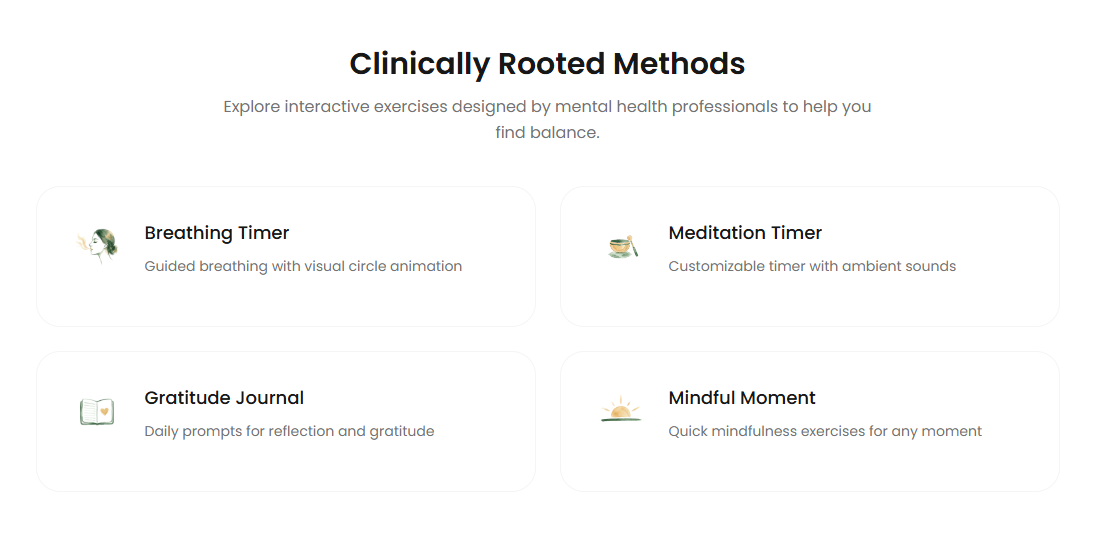
If you want a hands-on way to practice, CalmAtHome's Breathing Timer and Meditation Timer are simple, evidence-based tools you can use anywhere. Taking a few minutes with these tools during your workday can make all the difference.
High-intensity emotions often trigger rumination or the urge to suppress. Cognitive reappraisal means actively reframing your thoughts, finding a new perspective on what happened, rather than replaying the event. Acceptance involves allowing emotions to exist without judging them or pushing them away. Both strategies are healthier and more effective than suppression, according to current research.
Sometimes, managing emotions alone isn't enough. Reaching out to trusted friends, family, or mental health professionals provides additional support. Social connection is a key component of emotional regulation, reinforcing new skills and offering perspective when you feel stuck.
Knowing your strengths and challenges is the next step. A validated self-assessment can help you pinpoint where to focus your efforts.
Understanding your emotional regulation skills, and where you could use support, is a proactive move to prevent burnout. Self-assessments offer insight into your current patterns, helping you identify both strengths and growth areas.
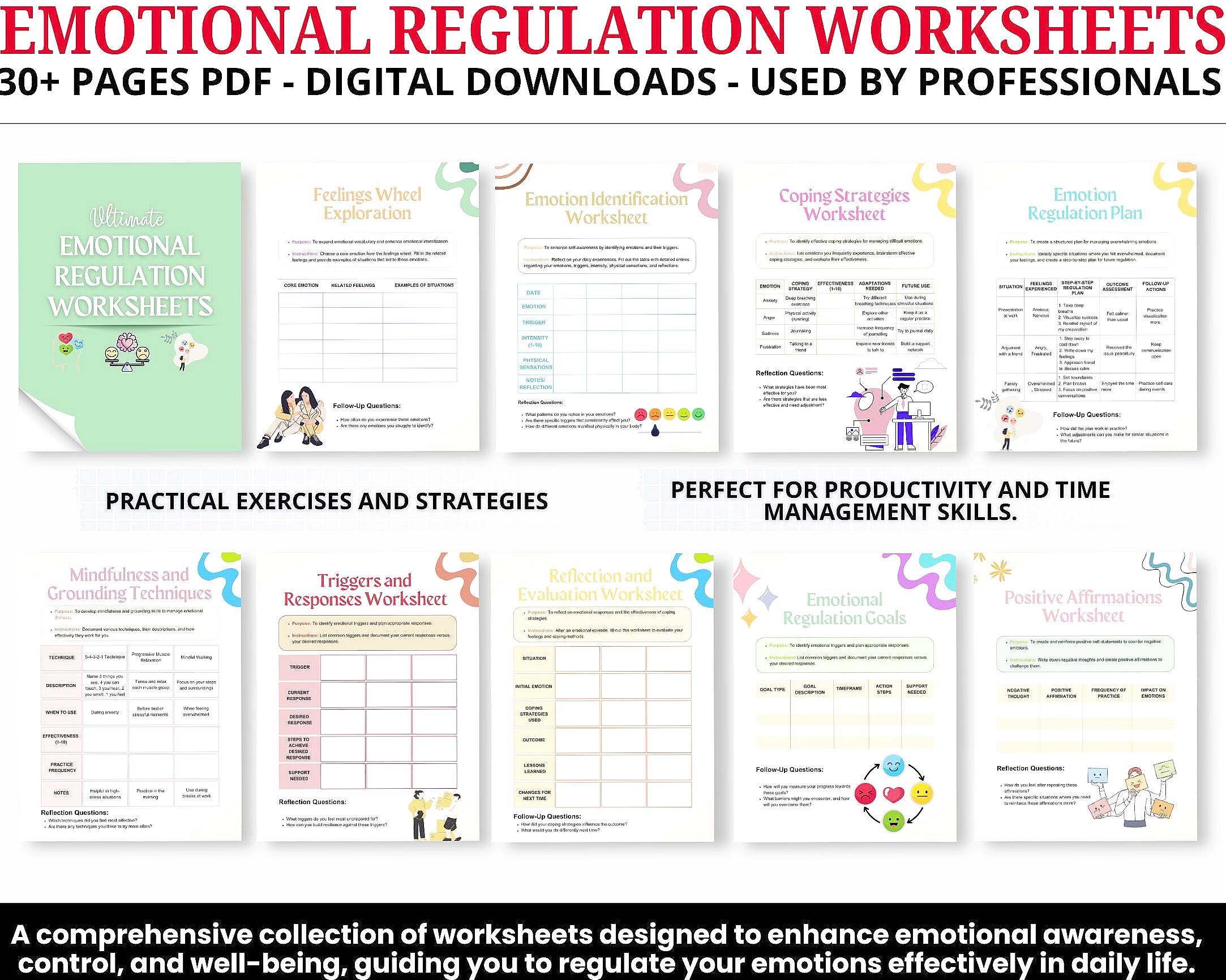
A self-assessment is a private and educational tool. By reflecting honestly on your experiences and responses, you'll see which aspects of emotional regulation come naturally and which need strengthening. For example, a professional might complete a self-assessment and discover a tendency to suppress emotions when stressed, highlighting a practical area for change.
If you're ready, you can take an educational self-assessment to evaluate your emotional regulation skills. It's a confidential way to get feedback and direction, not a diagnosis.
Once you understand your personal profile, you can target specific skills, like practicing acceptance or developing better recovery routines. If patterns of overwhelm persist, consider integrating skills training or connecting with a supportive peer community. Early identification is key to preventing burnout and building lasting resilience.
Community support is another powerful resource for emotional regulation. Let's see how connecting with others can help.
Engaging with an anonymous peer community provides validation and shared strategies that make emotional regulation easier to sustain. Feeling alone in your struggles can intensify distress, but community normalizes your experiences and motivates change.
Peer support doesn't just make you feel less isolated, it reinforces coping strategies and offers real-time encouragement. Sharing your experience managing overwhelm with others in an anonymous online forum can provide fresh ideas, boost accountability, and help you see progress.
Safe participation starts with respecting the boundaries and confidentiality of online spaces. Look for forums that prioritize privacy and positive engagement. In CalmAtHome's community, you can discuss challenges, share successful strategies, and support others, all without revealing your identity.
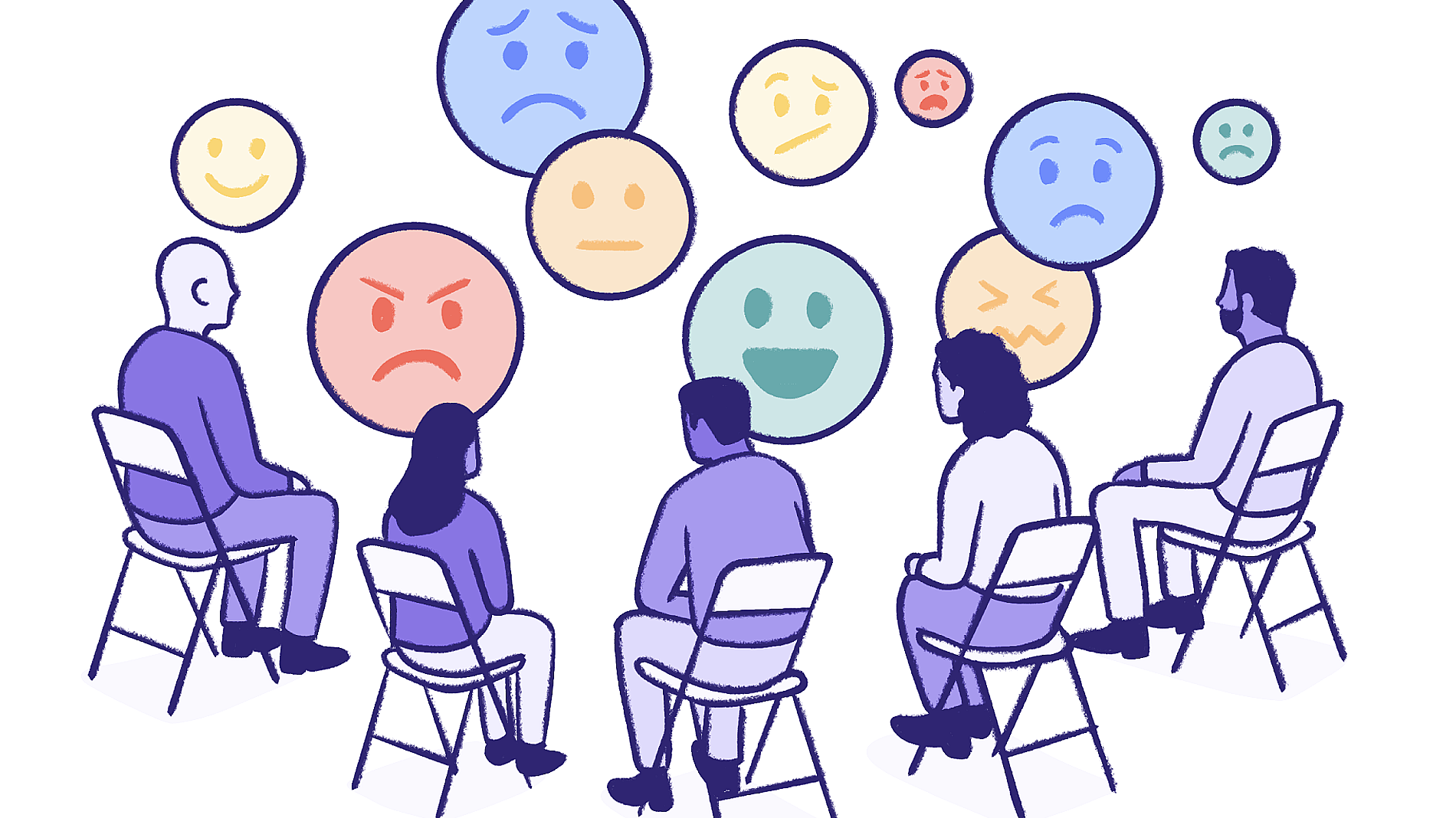
Emotional regulation skills help you manage and respond to your emotions effectively, making them essential for your mental well-being and key to preventing burnout. Emotional regulation means noticing your feelings, understanding them, and choosing how to respond in ways that support your goals and relationships. According to the American Psychological Association (APA), emotional regulation is crucial for stress management and adaptive coping.
If you want to learn more about your own skills, you can try self-assessment tools for personalized insights.
Burnout tied to emotional overwhelm often shows up as ongoing exhaustion, constant rumination over stressors, and difficulty recovering emotionally, even after rest. Unlike regular stress, burnout persists and affects motivation, mood, and job performance. Topic analyses confirm that burnout is a chronic failure of emotional regulation, not just the result of a heavy workload.
If these signs resonate and don't improve, consider reaching out to a supportive community or a professional for guidance.
Micro-skills like mindful breathing, cognitive reappraisal (reframing your thoughts), and acceptance are proven ways to calm yourself during stressful moments. For example, a quick breathing exercise or challenging negative self-talk can create immediate relief. Evidence shows that these tools are effective daily strategies for emotional management.
Using CalmAtHome's wellness tools, such as a breathing timer, can help you practice these techniques in real time.
Absolutely. Connecting with peers, especially in anonymous forums, normalizes emotional struggles and provides a platform to share and learn coping strategies. Research indicates that seeking support is a healthier alternative to suppression, and peer communities can be a powerful part of your emotional regulation toolkit.
If you're interested, you can join CalmAtHome's community platform to connect and share with others.
Burnout is deeply linked to emotional regulation failures, not just being overworked. Daily micro-skills like breathing exercises and cognitive reappraisal can help you reduce overwhelm and regain emotional balance. Using self-assessments and seeking community support gives you the tools and encouragement needed for lasting emotional health.
If you've felt lost, drained, or stuck, know this: you're not alone, and you have agency. The first empowering step is to take CalmAtHome's emotional regulation self-assessment to identify your needs. This confidential, educational tool helps you understand your strengths and where to focus next.
When you're ready for extra encouragement or want to share your journey, you can join CalmAtHome's anonymous peer community to connect and share your journey.
You have more control than you realize. Start with one small skill or connection today, your emotional health is worth it.
Discover why you overthink and learn effective techniques to stop overthinking today for better emotional wellbeing. Find relief and start now.
Discover 10 emotional regulation techniques for better mental well-being. Learn actionable, research-backed strategies to manage your emotions today. Start with a self-assessment.